Why the Xbox Series S Stays Cheaper Than the Series X Amid a Storm of Console Price Hikes
Baca dalam 60 detik
- Xbox Series S dibanderol mulai $500, jauh lebih murah dari Series X termurah $750, meski keduanya mengalami kenaikan harga akibat krisis komponen.
- Perbedaan harga bersumber dari spesifikasi: Series S tanpa drive disk, RAM 10GB, dan GPU 20 compute unit, sedangkan Series X memiliki 16GB RAM dan 52 compute unit.
- Pilihan konsol bergantung pada kebiasaan bermain; gamer yang mengandalkan Game Pass bisa puas dengan Series S, sementara pemburu performa 4K harus merogoh kocek lebih dalam untuk Series X.
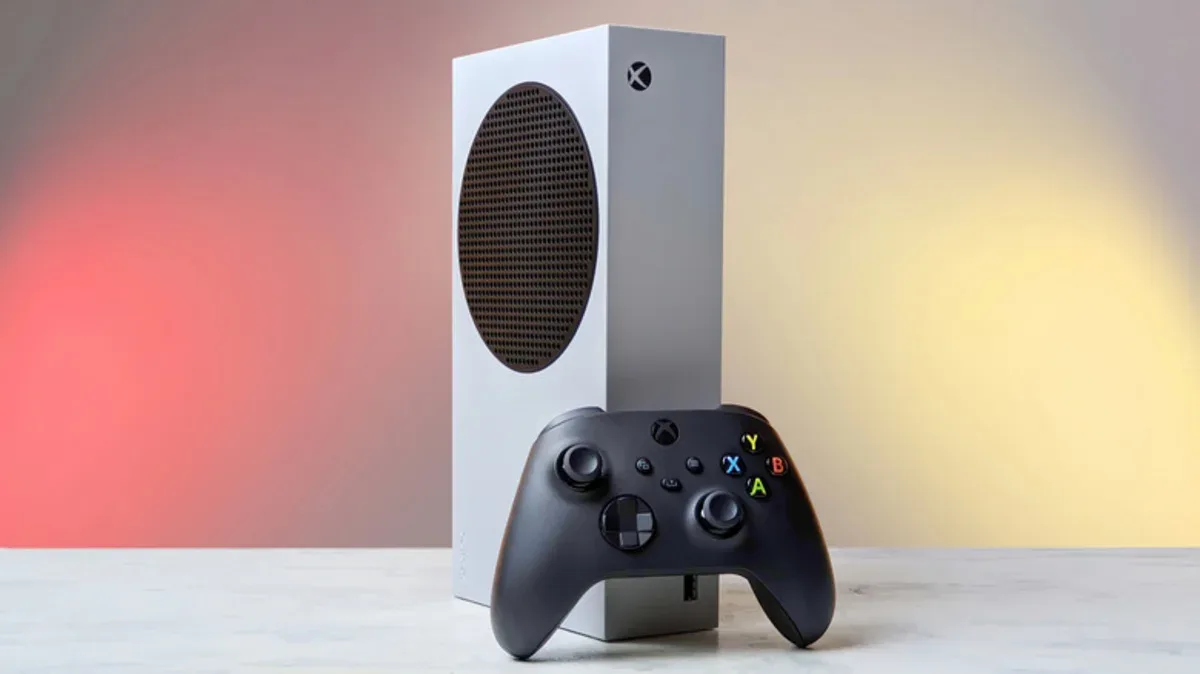
At a time when ninth-generation consoles should be entering a price-decline phase, the market is witnessing the opposite phenomenon. The Xbox Series X and Series S now sell for more than they did a few months ago, the result of surging component costs triggered by a global RAM supply crisis. The PlayStation 5 has even raised its price twice in a year, and the Nintendo Switch 2 is predicted to follow with a higher price tag in 2026. Yet amid that wave of increases, the Xbox Series S has held its position as the most wallet-friendly option, with prices starting at $500—far below the cheapest Series X, priced at $750.
That significant price gap is not without reason. The fundamental difference lies in the hardware architecture each console carries. The Series S is designed as a digital-only device, with no disc drive, which cuts production costs. Meanwhile, the Series X—though there is a disc-drive-free variant that is $50 cheaper—still packs more aggressive internal specifications. Microsoft's decision to lock the Series S into a fully digital ecosystem is one of the main factors that makes its price more competitive.
In terms of raw power, the Series S is indeed no match for the Series X. The base Series S model offers 512GB of storage, with a 1TB option sold for $100 more. The Series X comes with 1TB of storage as standard, and the 2TB model was discontinued in 2026. Both can still be expanded using an expansion card plugged into the back of the console. However, the biggest difference lies in processing capability: the Series X carries 12 teraflops and targets 4K resolution, while the Series S has only 4 teraflops with a maximum resolution of 1440p in most games. Even so, both support a 120 fps refresh rate.
Technically, both consoles use a custom AMD Zen 2 CPU, but the Series X has a higher clock speed and is therefore faster. Their GPUs are also based on AMD RDNA 2, but the Series X has 52 compute units (CU) compared with only 20 CU in the Series S. On RAM, the Series X is equipped with 16GB, with 10GB running at 560 GB/s and 6GB at 336 GB/s. The Series S has only 10GB of RAM, with 8GB operating at 224 GB/s and 2GB at 56 GB/s. This combination is what makes the Series X more expensive, because its components are far more complex and powerful.
For prospective buyers, the decision to buy an Xbox Series S or X depends heavily on play style. If you do not have a collection of physical games and rely more on the Game Pass service, the absence of a disc drive on the Series S is not a big problem. Conversely, if you enjoy hunting for physical game discounts or want to own physical copies, the Series X is the right choice. The Series S also has an edge in dimensions: about 60% smaller, making it easier to place on a TV rack.
On graphics performance, the Series S does sit below the Series X. However, for some players, the difference is not very noticeable, especially if they do not always demand native 4K resolution. The Series S can still run games at 120 fps on compatible titles, and supports 4K upscaling. For those who prioritize the highest visual quality, the Series X remains the champion.
It is also worth considering waiting for Microsoft's Project Helix family of devices. This next-generation hardware is predicted to be more expensive, and the extent of its technical improvements is not yet known for certain. Microsoft plans to ship Project Helix alpha devices to developers in 2027, meaning the final product will likely launch at least a year after that. If you do not mind waiting, saving up for more advanced technology could be a wise strategy.
In Indonesia, this global console price increase could affect local retail prices, especially since most units are still imported. Distributors and retail stores may adjust prices in the coming months. For gamers in the country who want to move to the latest-generation consoles, factoring in the total cost of ownership—including Game Pass subscriptions and accessories—is becoming increasingly crucial. Will you stick with the more affordable Series S, or wait for the reportedly more advanced Project Helix?