South Korea Supplies Fuel to Russia via Sanctioned Ships, Kyiv Under Threat
Baca dalam 60 detik
- Lebih dari 176.000 ton diesel dikirim dari pelabuhan Korea Selatan ke Rusia sepanjang Juli–Agustus, melibatkan tujuh kapal tanker.
- Tiga kapal di antaranya masuk daftar sanksi Inggris dan Uni Eropa, dengan satu transfer antar-kapal di perairan Korea Selatan untuk menyamarkan asal kargo.
- Langkah ini berpotensi mengikis kredibilitas Seoul di mata sekutu Barat dan memperuncing ketegangan dengan Ukraina.
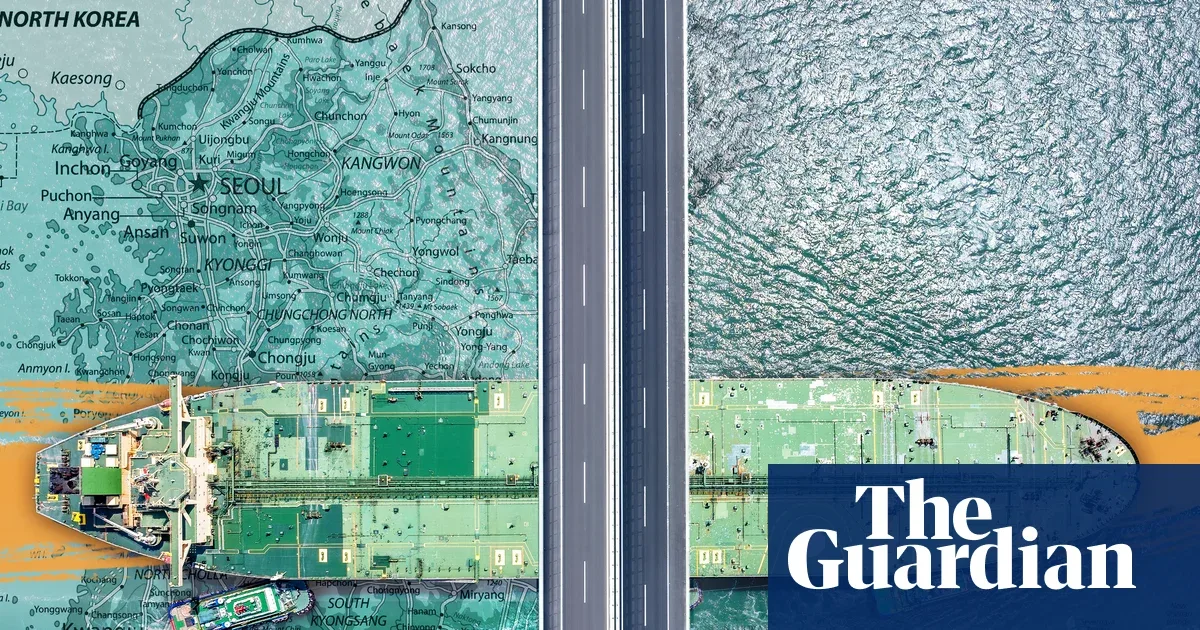
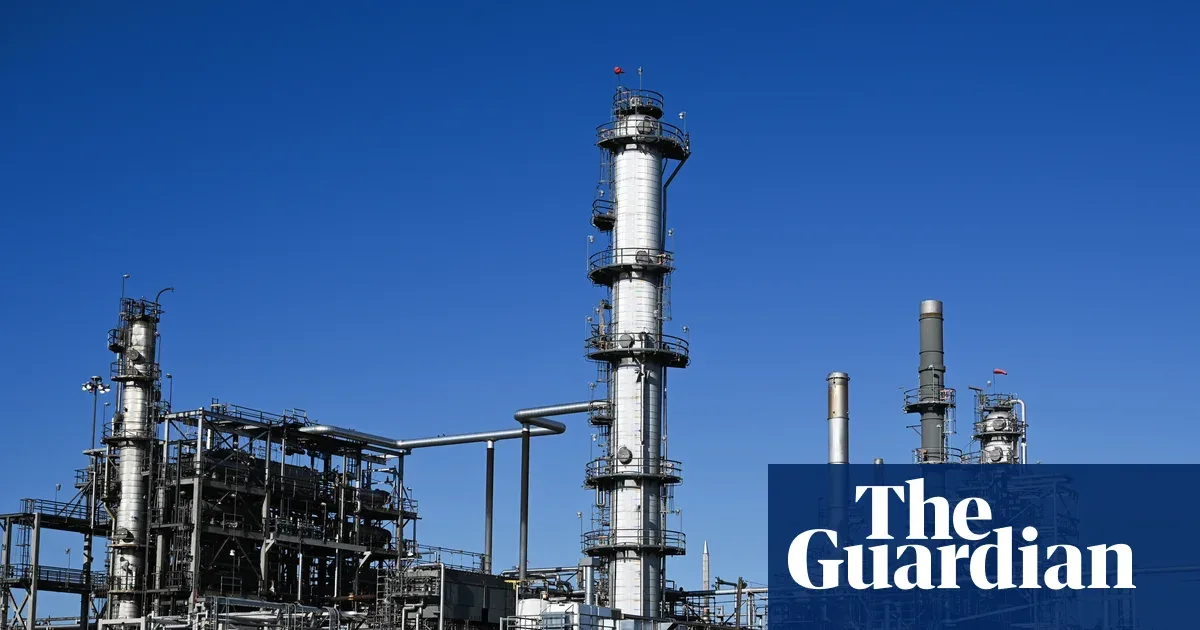
South Korea has quietly become a fuel supply route for Russia amid the ongoing war in Ukraine. An investigation by The Guardian revealed that more than 176,000 tons of fuel—mostly diesel—were shipped from several South Korean ports to eastern Russia throughout July and August 2026, using seven tankers across 14 voyages.
The findings raise serious questions about Seoul's consistency in supporting Kyiv. Three of the ships involved have been sanctioned by the UK and the European Union. One of them even conducted a ship-to-ship transfer in South Korean waters—a tactic commonly used to conceal the origin of cargo and avoid recording at port terminals.
An analyst at the Centre for Research on Energy and Clean Air (CREA), Isaac Levi, described the shipments as a severe blow to the sanctions regime. "It is very surprising that an EU-sanctioned tanker loads fuel at a South Korean port and takes it to Russia," he said. "This undermines sanctions and South Korea's support for Ukraine."
"This undermines the sanctions regime and South Korea's support for Ukraine." — Isaac Levi, CREA analyst
Seoul has in fact provided humanitarian aid and non-lethal equipment to Ukraine, including helmets, bulletproof vests, and mine-clearing vehicles. In 2023, South Korea pledged support worth US$2.3 billion, mostly in the form of loans. However, the country has consistently refused to supply lethal weapons to a country at war, in line with its foreign policy of maintaining relations with Moscow.
Despite involving ships sanctioned by Western partners, this fuel trade appears not to violate South Korean law. Seoul's anti-Russia measures have so far relied on export controls for goods such as industrial machinery, electronics, and vehicles—not a ban on oil shipments. This is the loophole now being exploited.
The shipping pattern shows an increasingly sophisticated modus operandi. The sanctioned tanker Layla sailed twice from Ulsan to Vladivostok on 19 July and 10 August with a total of 57,000 tons of diesel. On the second voyage, the ship was reported to be heading to Niigata, Japan—not Vladivostok. The Russian-flagged tanker Astoria, also sanctioned by Australia, loaded nearly 11,000 tons of fuel in Ulsan on 1 August with a declared destination of Japan, before turning to Vladivostok. Meanwhile, the tanker Chongchon never docked; it received about 26,000 tons of fuel from the ship Celeste I in Yeosu waters, then headed to Vladivostok with a declared destination of Singapore.
The owners and managers of the four ships did not respond to requests for comment.
The export surge comes at a sensitive time. In July, President Lee Jae Myung had just announced a US$100 million commitment for Ukraine's reconstruction at the NATO summit in Turkey. Almost simultaneously, data showed shipments from South Korean ports soaring. A 2025 trade association survey even found that nearly 80% of South Korean companies that halted exports to Russia since the war broke out were willing to resume business.
Russia's need for fuel is increasingly urgent. Ukrainian drone attacks have crippled Russian refinery capacity. According to the International Energy Agency (IEA), Russian refinery throughput in June 2026 fell to its lowest level in more than 20 years, and diesel production dropped nearly 30% compared with last year. Ukraine's military intelligence agency, HUR, stated that Moscow was forced to import oil products to supply the "Russian war machine".
Kpler data analyzed by CREA recorded that Russia imported 368,000 tons of oil products by sea in August 2026—more than seven times the previous month and the highest since the full-scale invasion. South Korea accounted for 112,000 tons (31%), behind only India. The buyers included Rosneft, the Russian state oil company sanctioned by the UK, US, EU, and Australia, as well as NNK, a Russian oil group whose owner, Eduard Khudainatov, and one of its companies, NNK-Oil, have been sanctioned by the UK.
South Korea's Ministry of Foreign Affairs, when asked for confirmation, did not respond specifically about the shipments or the sanctioned ships. In its official statement, it emphasized that as a "responsible member of the international community", the government supports efforts to end the war in Ukraine and achieve a peaceful recovery. It also claimed to have expanded export controls toward Russia "beyond strategic items to 1,402 non-strategic items that could potentially be repurposed for military use" and to enforce those rules strictly.
Meanwhile, the UK Foreign Office did not answer questions about UK-sanctioned ships using South Korean ports, or whether the issue had been discussed with Seoul. Its spokesperson only stated a commitment to effectively monitor sanctions and increase economic pressure on Russia.
The most affected by this dynamic is Ukraine. Kyiv-Seoul relations are indeed strained, especially after the transfer of two North Korean prisoners of war to South Korea—which according to Seoul should have been kept secret. In addition, in March 2026, when the war with Iran closed the Strait of Hormuz, South Korea restricted exports of certain fuels and instead imported Russian naphtha under a US sanctions waiver. On 1 October, the UK even granted a temporary exemption for South Korean gas contracts from the maritime services ban on Russian LNG due to take effect in January 2027.
If this pattern continues, South Korea risks being labeled a weak point in Western efforts to pressure Moscow. The question now is: will Seoul tighten fuel export oversight, or leave this loophole open to preserve relations with Russia?