Constitutional Court Closes Hearing on Gibran's Education Requirement Dispute, Saldi Isra Urges Public Opinion Not to Pressure the Panel
Baca dalam 60 detik
- Mahkamah Konstitusi resmi mengakhiri rangkaian persidangan perkara Nomor 01/PHPU.PRES-XXIV/2026 yang mempersoalkan syarat pendidikan Gibran Rakabuming Raka sebagai calon wakil presiden pada Pilpres 2024.
- Wakil Ketua MK Saldi Isra menekankan bahwa majelis hakim akan mempelajari seluruh dokumen dan fakta secara mandiri sebelum mengambil keputusan, seraya meminta publik tidak terjebak dalam opini yang saling bertentangan.
- Belum ada agenda resmi pengucapan putusan, sehingga publik menanti apakah MK akan mengabulkan atau menolak gugatan yang berpotensi mengubah lanskap politik nasional.
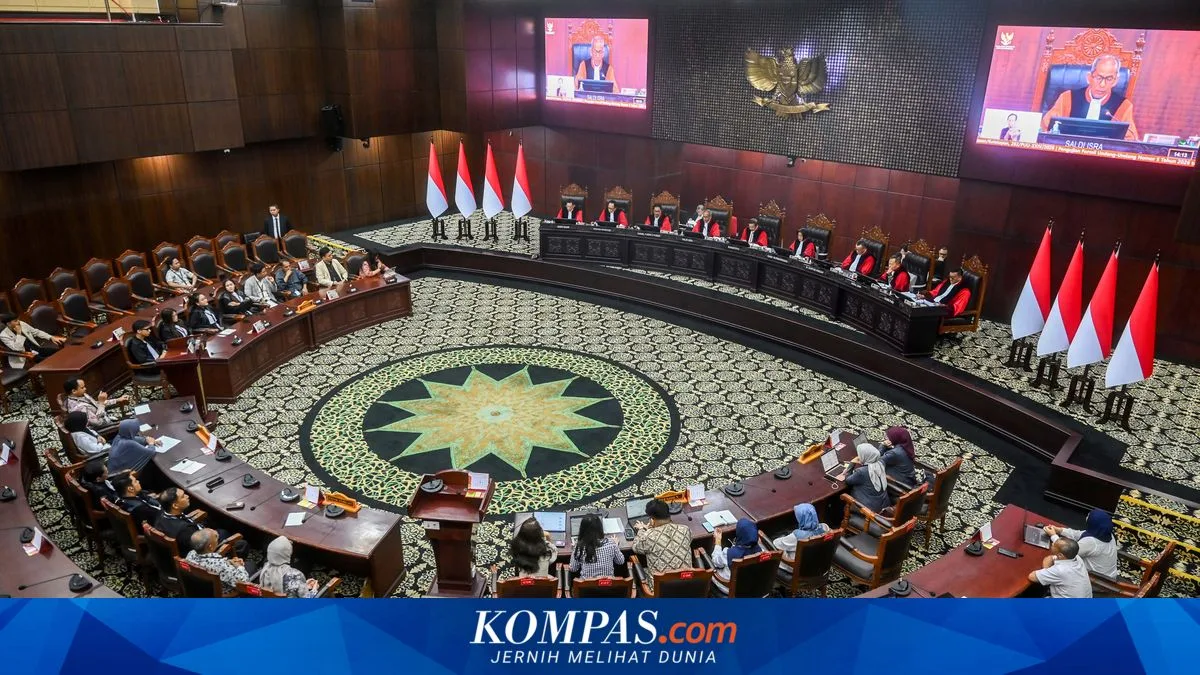
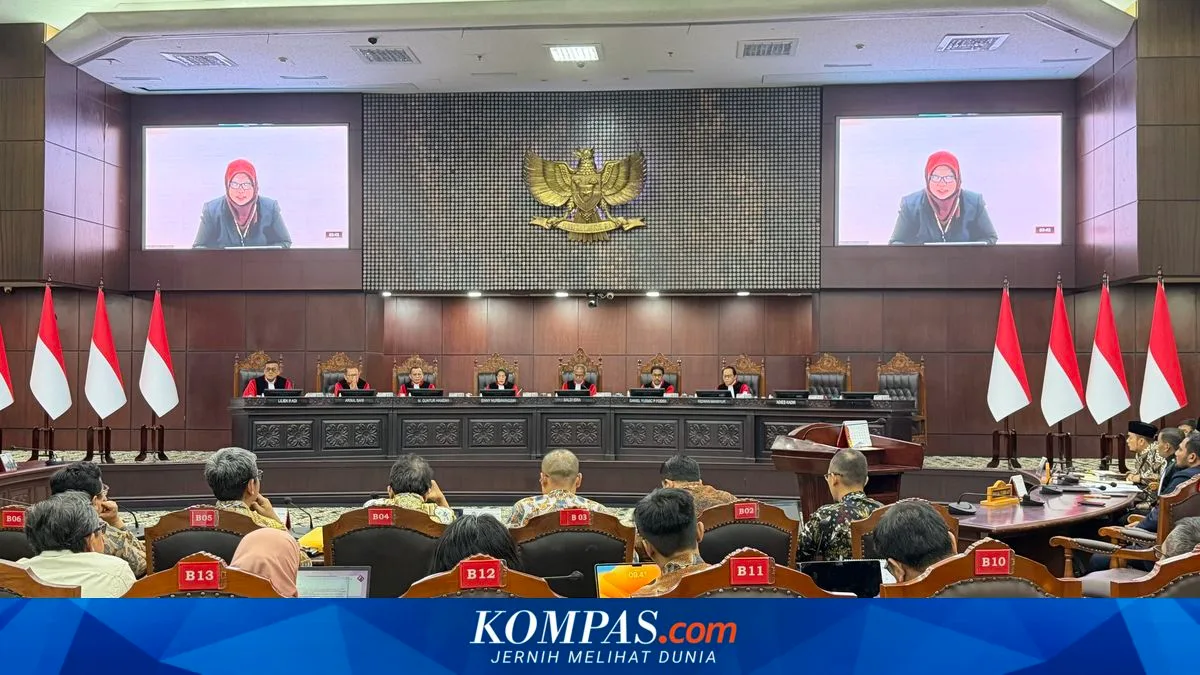
The Constitutional Court (MK) closed the hearing on the 2024 Presidential and Vice Presidential Election Results Dispute (PHPU) case, registered under number 01/PHPU.PRES-XXIV/2026, which examines the validity of Gibran Rakabuming Raka's education requirement as a vice presidential candidate. The closure of the hearing on Friday (2/10/2026) marked the end of the entire series of examinations and statements from the parties, and the hot potato now rests entirely with the panel of constitutional justices.
Deputy Chief Justice Saldi Isra, during the hearing, asked all parties to give the Court room to work without intervention from public opinion developing outside the courtroom. He considered that the pressure of opposing opinions could disrupt the panel's composure in considering the case. "So, there is no need to be too involved in opinions that keep clashing. The atmosphere we have built over these past few days must be maintained," Saldi said, as quoted from the hearing.
According to Saldi, all justices will spend the weekend reading and studying the case materials independently in their respective chambers before reconvening to discuss and make a decision. "While we can think calmly, read the materials calmly, and later decide calmly," he said. He stressed that whatever the ruling may be, it will be the result of deliberation based on the facts revealed during the hearing.
This case has drawn public attention because it concerns the legality of Gibran's candidacy at a time when he was still serving as Mayor of Surakarta. The lawsuit questions the fulfillment of the education requirement as stipulated in the constitution and election regulations. Previously, the MK had also declined to summon Gibran to the dispute hearing, for reasons not fully disclosed to the public. This dynamic adds a layer of complexity: on one hand, the MK is demanded to be independent; on the other, the public wants to ensure no legal loophole is overlooked.
"Because this has been entrusted to the Court, let the Court decide. Whatever is decided later, that is the ruling based on the facts we can gather in this hearing." — Saldi Isra, Deputy Chief Justice of the MK
The closure of this hearing also marks the end of the evidentiary stage and pushes the case into the justices' deliberation phase. Procedurally, the MK has up to 30 working days after the petition is registered to issue a ruling, but in practice the schedule may adjust to the complexity of the case. As of this news being published, there is no official agenda for the pronouncement of the ruling listed on the MK's official website. The absence of such a schedule has sparked speculation in the public sphere, although the MK insists it will work within legal corridors.
For Indonesia, the MK's ruling in this case is not merely about the fate of one figure. It will become a precedent for how the constitution interprets candidacy requirements, while also testing the credibility of the judiciary in the eyes of investors and civil society. Political stability after the ruling depends heavily on all parties' acceptance of the outcome. If the ruling is deemed unfair, a wave of protests could emerge; conversely, a widely accepted decision will strengthen the legitimacy of the democratic process. Therefore, Saldi's call for all parties not to get trapped in opinion becomes relevant: it is not merely an ethical appeal, but a prerequisite for maintaining social order.
Going forward, public eyes will be fixed on the steps of the panel of justices. Will the MK grant the lawsuit and annul Gibran's candidacy, or reject it with strong legal arguments? What is clear is that this ruling will be a test for the Court's independence and for the nation's political maturity in accepting differences in constitutional interpretation. The question is, is everyone ready to accept whatever the outcome without damaging the existing order?