Education Attachés at Indonesian Embassies in Singapore and Australia Admit They Do Not Keep Gibran's Education Documents
Baca dalam 60 detik
- Atase Pendidikan KBRI Singapura dan KBRI Canberra menyatakan tidak menemukan arsip pendidikan Gibran Rakabuming Raka di kedutaan masing-masing.
- Kedua pejabat itu bersaksi dalam sidang lanjutan gugatan ijazah Gibran di Mahkamah Konstitusi, Jumat (2/10/2026), menjawab pertanyaan Hakim Konstitusi Saldi Isra.
- Ketiadaan dokumen ini berpotensi memperkuat dalil pemohon sekaligus mempertanyakan mekanisme pelacakan pelajar Indonesia di luar negeri.
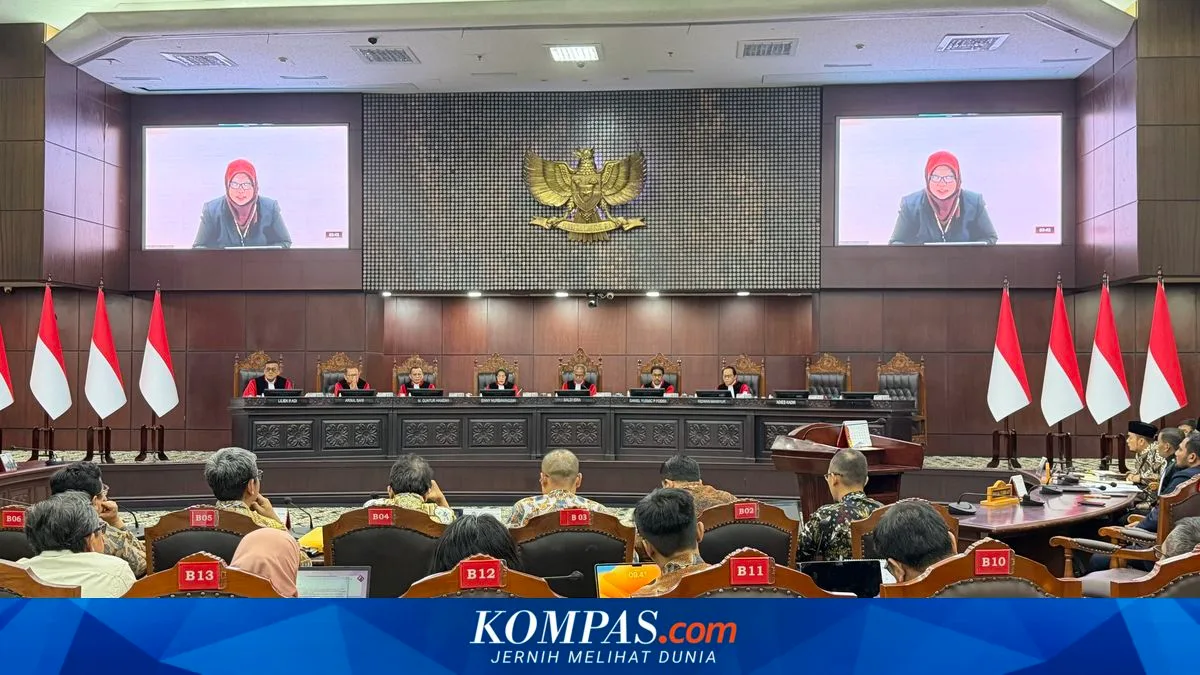
The Constitutional Court again held a follow-up hearing in the lawsuit over Gibran Rakabuming Raka's diploma on Friday (2/10/2026). In the hearing at the Constitutional Court Building in Central Jakarta, two education attachés from Indonesian overseas missions gave the same testimony: no education documents belonging to Gibran are kept at the embassies.
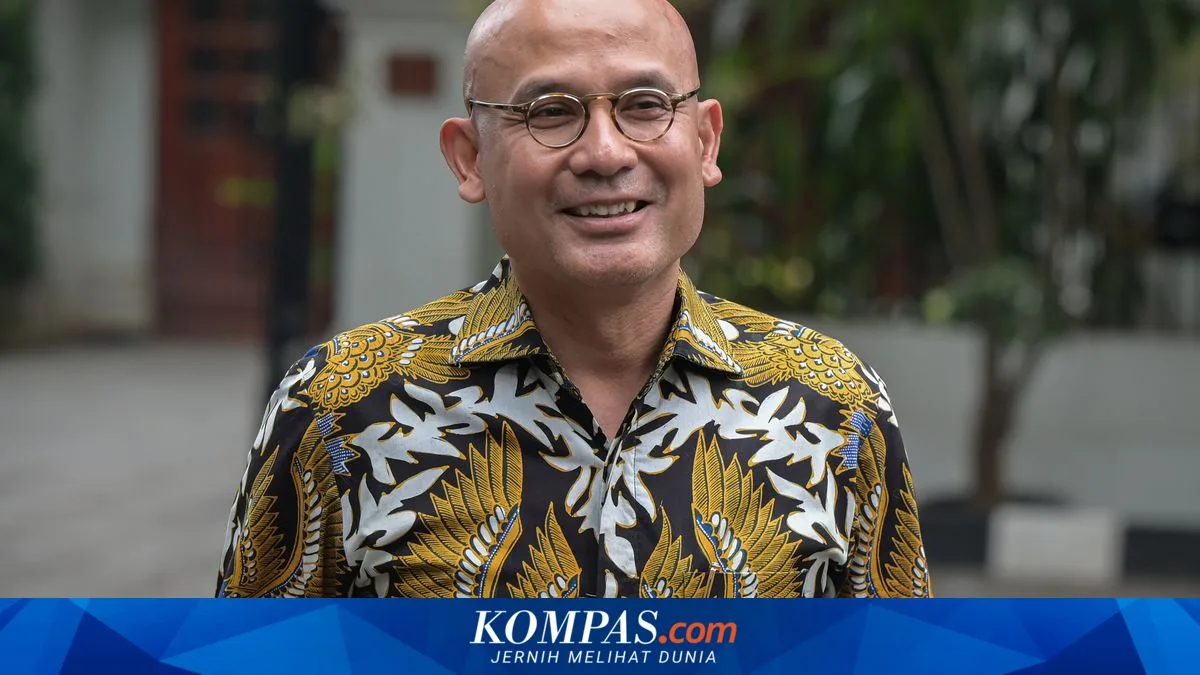
The Education Attaché at the Indonesian Embassy in Singapore, Nur Aini Ariyanti, said she had searched the archives in her office. However, she found no record whatsoever related to Gibran's education history, either upon entry or after leaving Singapore. She said this when Constitutional Justice Saldi Isra pressed for testimony on the existence of documents for the senior high school-equivalent level that had been questioned.
"After we searched the existing documents, we found no documents kept at the embassy," Nur Aini told the panel of justices. Saldi then sought confirmation, and Nur Aini answered briefly that there was indeed no file of any kind.
Similarly, the Education Attaché at the Indonesian Embassy in Canberra, Yuli Rahmawati, stated that her office did not have documents for Gibran's education application. The search covered both physical and digital archives. "We do not have an application from Mr. Gibran," Yuli said firmly.
This testimony deals a blow to efforts at proof that rely on administrative traces at diplomatic missions. In overseas education systems, education attachés are usually the first point that receives reports of Indonesian students' arrival, including for diploma equivalency purposes. The absence of archives in the two countries named in the lawsuit raises questions about how student monitoring has been carried out.
Constitutional law observers assess that the absence of documents at the embassies does not automatically invalidate the diploma, but it could strengthen the petitioner's argument that an administrative step was not fulfilled. "If there was indeed a formal education process, there should be a trace that can be tracked, at least a certificate or attendance record," said an education policy analyst who declined to be named.
On the other hand, the legal counsel for the party concerned argues that education documents are not always kept at embassies because students can take an independent route without reporting to the mission. However, this argument has not been accompanied by written evidence presented in the hearing.
"We found no documents kept at the embassy," said Nur Aini Ariyanti, Education Attaché at the Indonesian Embassy in Singapore.
The case has drawn public attention because it involves Gibran, who currently serves as Vice President. The follow-up hearing is scheduled to continue hearing testimony from other witnesses, including from the Ministry of Education and the school named. The Constitutional Court has not yet decided whether it will seek additional testimony from relevant agencies.
If it is later proven that no official records exist, the public has the right to demand an explanation regarding the diploma verification standards for public officials. Conversely, if documents are found outside embassy channels, the reporting mechanism for Indonesian students abroad needs to be evaluated so that it does not create administrative gaps in the future.