Wantimpres' 26 Members: Critical Advice or a Retirement Home for Notable Figures?
Baca dalam 60 detik
- Presiden Prabowo Subianto melantik 26 anggota Wantimpres pada 2 Oktober 2026, dipimpin Pratikno sebagai ketua dan Hatta Rajasa sebagai wakil.
- Komposisi besar dan beragam memicu pertanyaan apakah lembaga ini mampu menjadi penguji kebijakan independen atau sekadar wadah penghormatan bagi tokoh senior.
- Fungsi strategis Wantimpres sebagai penyedia second opinion kritis akan menentukan kualitas pengambilan keputusan pusat-daerah dalam lima tahun ke depan.
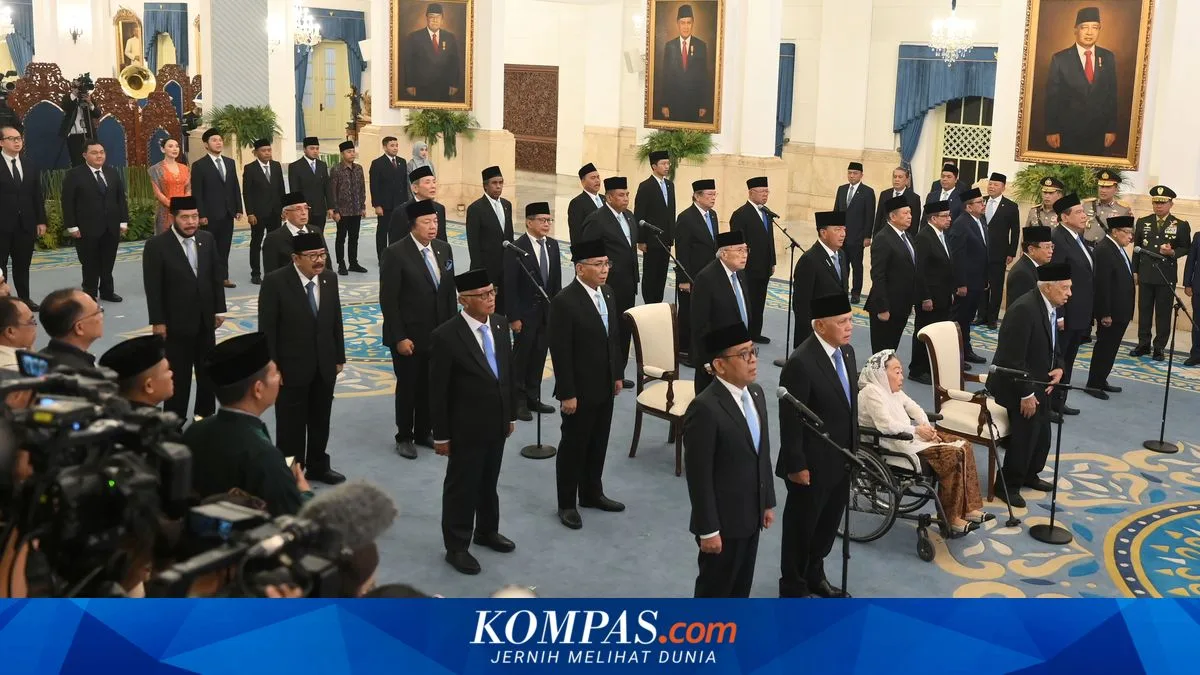
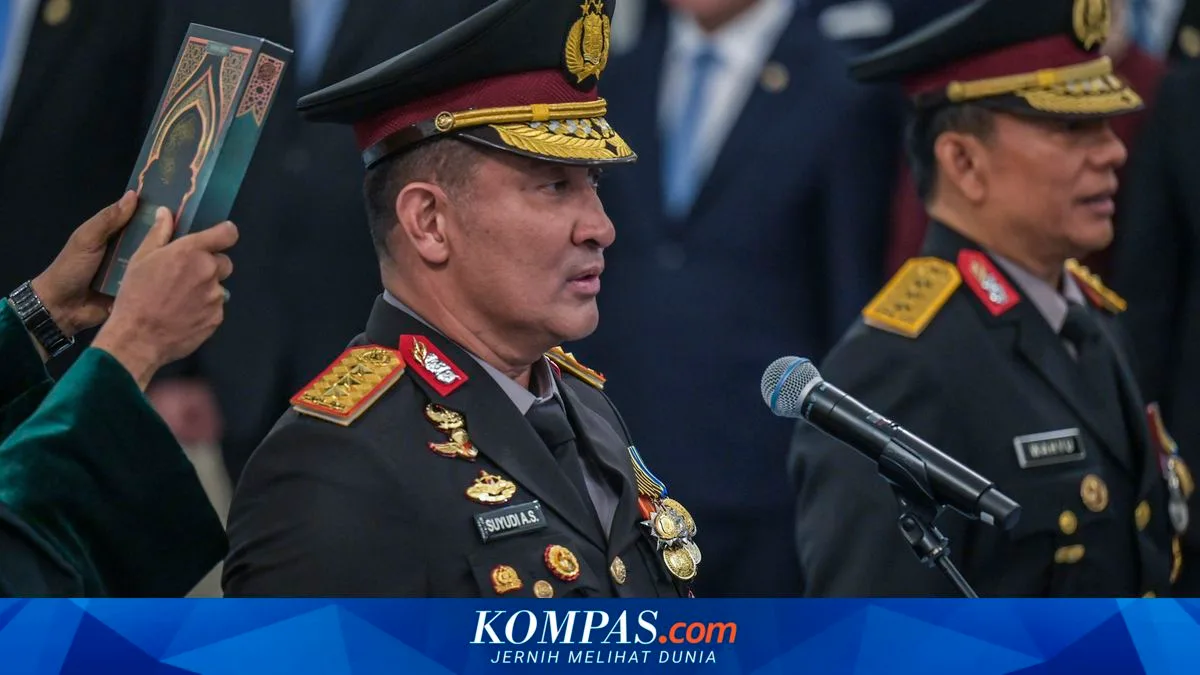
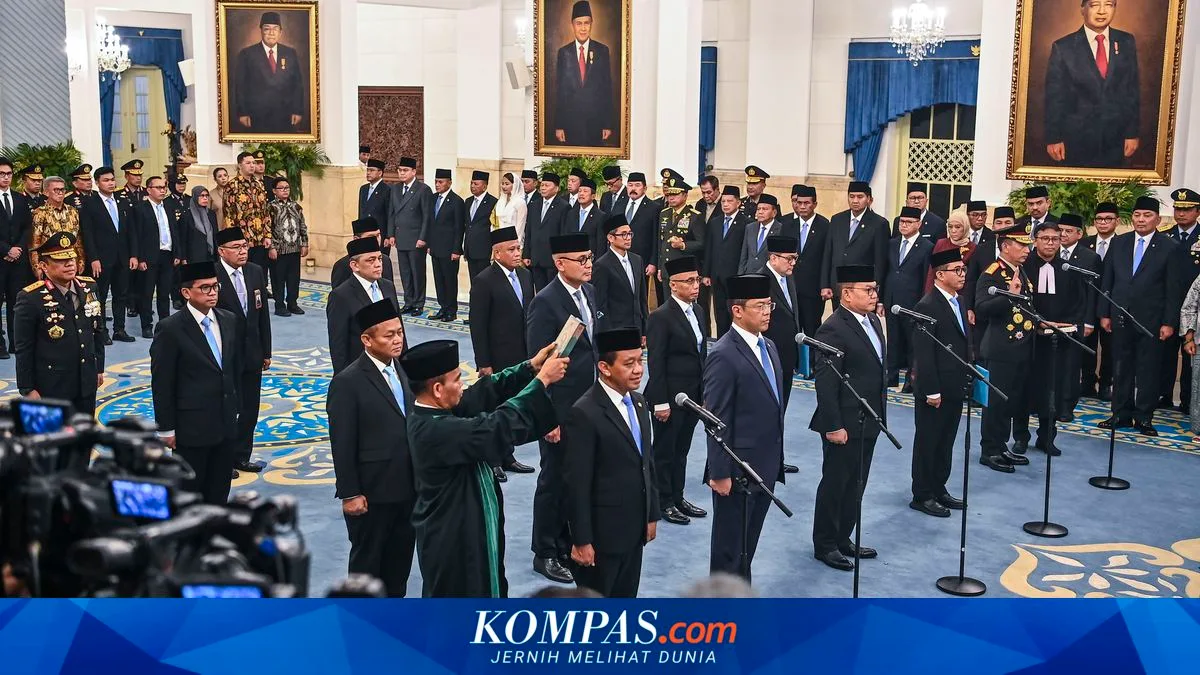
After being left vacant for nearly two years, the seats of the Presidential Advisory Council (Wantimpres) have finally been filled. President Prabowo Subianto inaugurated 26 members on Friday, 2 October 2026, with a composition that immediately sparked public discussion: Pratikno sits as chair, Hatta Rajasa as deputy, and Muhammad Qodari as secretary. That number is jumbo-sized for an advisory body to the head of government.
The diversity of members' backgrounds—academics, religious figures, former ministers, politicians, ex-regional heads, retired TNI-Polri officers, businesspeople, and celebrities—is claimed by the government as a wealth of perspectives. However, the fundamental question arises precisely from the size of the formation: why does the President need 26 advisers at once? If the goal is merely to gather experienced people, the state already has many other channels.
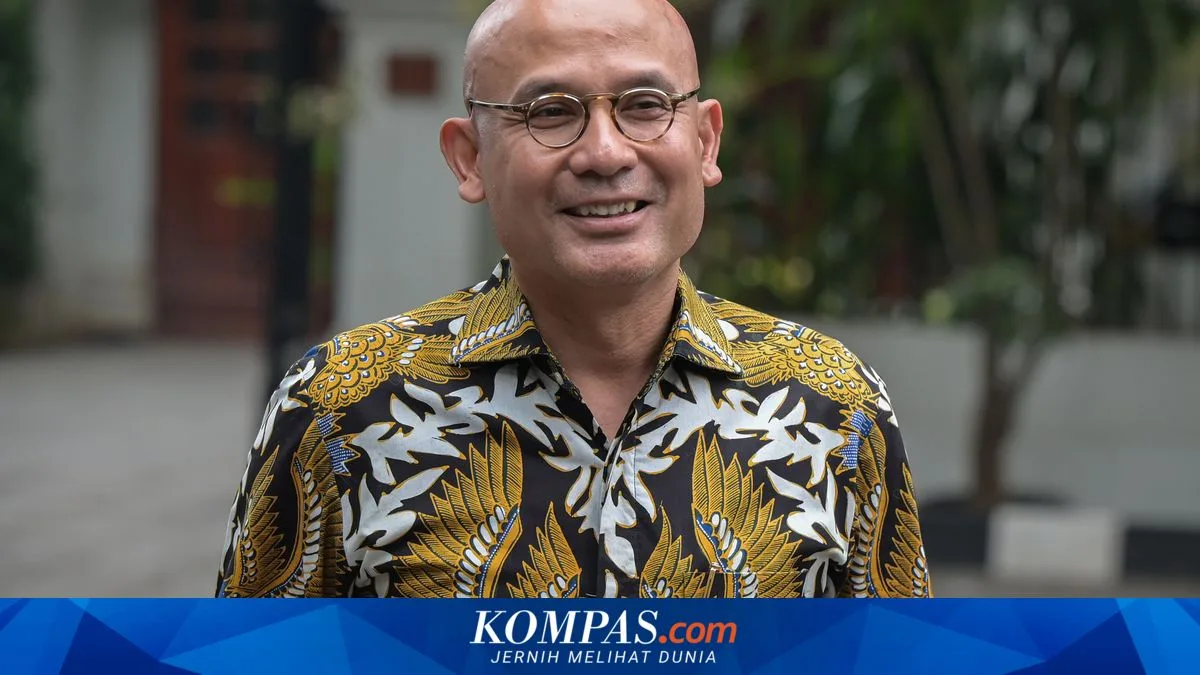
IPDN Professor Djohermansyah Djohan in his column argues that Wantimpres should not stop at being a transit point for figures who have completed public office. He warns of the risk that this institution turns into a place of honor for those who have served power. "Wantimpres must be where the President obtains a second opinion—a critical, independent, expertise-based view that dares to say no when a policy has the potential to be wrong," he wrote.
Within the framework of Law Number 19 of 2006, Wantimpres is indeed mandated to provide advice and consideration to the President in exercising governmental power. That advice is obligatory, even when not requested, but must not be publicized. Such a strong mandate, according to governance observers, is not suitable to be filled in large numbers by those who tend to be "yes men."
The main criticism is not about the seniority or juniority of members, but about the design of the function. A president as chief executive needs a second pair of eyes capable of testing information from outside the bureaucratic channel. So far, reports and recommendations have flowed from the same structure—ministries and agencies under the President. Without an independent tester, the risk of policy bias is difficult to avoid.
"What is rare is precisely the person who can say to the President: this policy needs to be reviewed; the data is not sufficient; its impact on the regions will be heavy; or this policy has the potential to cause problems later on."
The composition of 26 people at a glance recalls the model of the Supreme Advisory Council (DPA) of the past, when many senior figures sat as advisers to the President. The difference is that today's challenges are far more complex: central-regional relations, fiscal matters, and geopolitics demand sharp and specific advice, not merely a collection of experience.
For the regions, the existence of a critical Wantimpres could be an important channel. Central policies often have asymmetric impacts in the regions—from fiscal transfers, spatial planning, to autonomy. If Wantimpres is able to raise regional perspectives based on data, this institution has the potential to dampen central-regional conflicts that often surface.
Conversely, if Wantimpres becomes merely a ceremonial vessel, the public will judge this institution as political waste. Expectations for Pratikno and Hatta Rajasa as the main drivers are very high. Both have solid bureaucratic and political track records, but the real test is the courage to express unpopular opinions at the President's table.
Going forward, the public will measure Wantimpres not by its list of names, but by the trail of policies that changed because of its advice. Will these 26 people become bold policy testers, or will they instead enlarge the circle of affirmation around power? The answer can only be read from the President's decisions in the coming months.