Scripture, Seats, and Mines: NU's New Direction Under the Shadow of Power
Baca dalam 60 detik
- PBNU resmi mengumumkan 210 pengurus masa khidmah 2026–2031, bertambah 21 orang dari periode sebelumnya.
- Sejumlah menteri dan wakil menteri masuk struktur kepengurusan, memicu pertanyaan tentang independensi organisasi.
- Dinamika syuriyah dan tanfidziyah menjadi ujian bagi NU dalam menjaga otoritas ulama di tengah tarikan politik praktis.
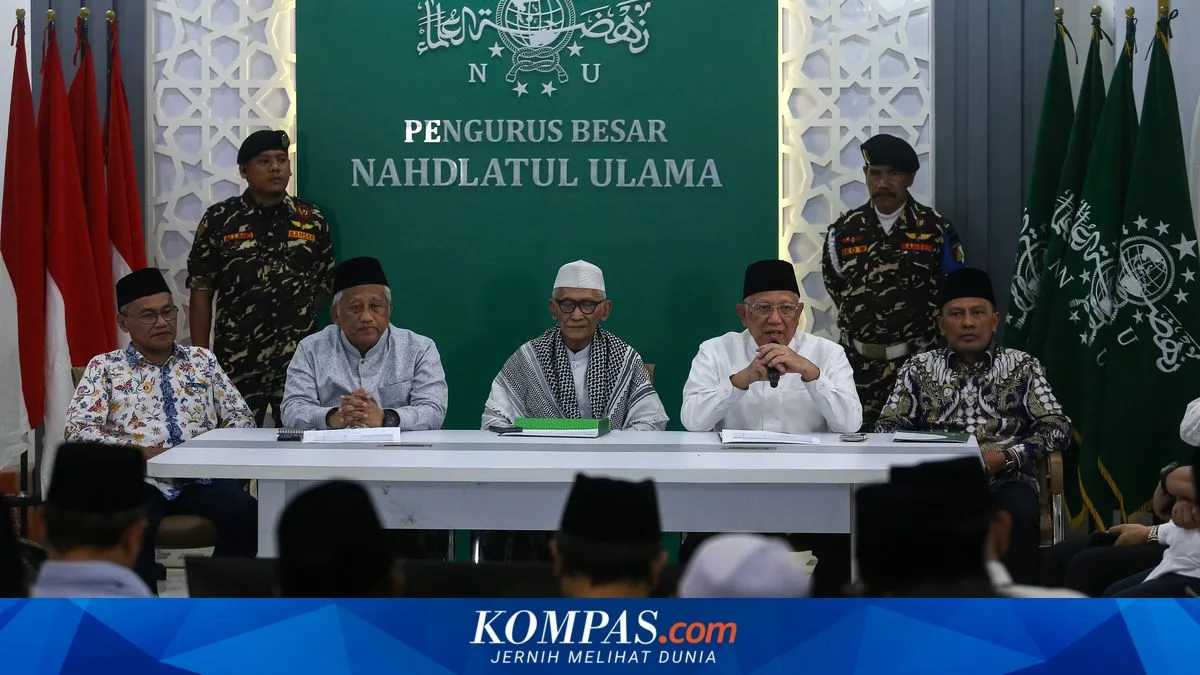
The Central Board of Nahdlatul Ulama (PBNU) officially finalized its leadership lineup for the 2026–2031 term on Wednesday night, 30 September 2026. The board has 210 members, 21 more than in the previous period. The expansion is described as a step toward balancing generations and organizational elements. On the same day, General Chairman KH Abdul Hakim Mahfudz brought the new leadership to meet President Prabowo Subianto at the Palace. Two events in a single day raised a major question: where will the largest jam'iyyah in Indonesia anchor itself at the start of its second century?
The new lineup can be read through three symbols that pull against one another: scripture, seats, and mines. Scripture represents the authority of the ulama, long the soul of the organization. Seats describe state offices that now fill the leadership structure. Mines are the most concrete test of the organization's moral commitment to natural resource issues. The three do not always align, and that is where the tension emerges.
On the scripture side, the entry of KH Bahauddin Nur Salim (Gus Baha) as Deputy Rais Aam alongside KH Afifuddin Muhajir and a number of other alim kiai gives the syuriyah a scholarly authority rarely held by any structure. Gus Baha is known as a calm figure who keeps his distance from political commotion and is beloved for the depth of his interpretation. His presence aligns with the "ethical leadership" stage in the NU Digdaya 2050 Roadmap ratified at the 35th Muktamar in Tambakberas, Jombang. The scripture symbol is also visible at the top of the tanfidziyah. Gus Kikin, the caretaker of Pesantren Tebuireng, the intellectual home of Hadratussyaikh KH Hasyim Asy'ari, has affirmed his commitment to the Qanun Asasi of NU's founder. He was chosen by consensus by Ahlul Halli wal Aqdi after securing the most support, 472 votes, from regions and branches. His legitimacy is strong, and precisely because of that, expectations for him are also high.
However, in NU tradition, the syuriyah is not merely decorative. It is the highest leadership body, authorized to direct and correct the tanfidziyah. The question is whether the voices of these alim kiai will truly be heard when political interests clash with principle. If not, then the calm ulama risk becoming a shield of legitimacy for decisions they never made.
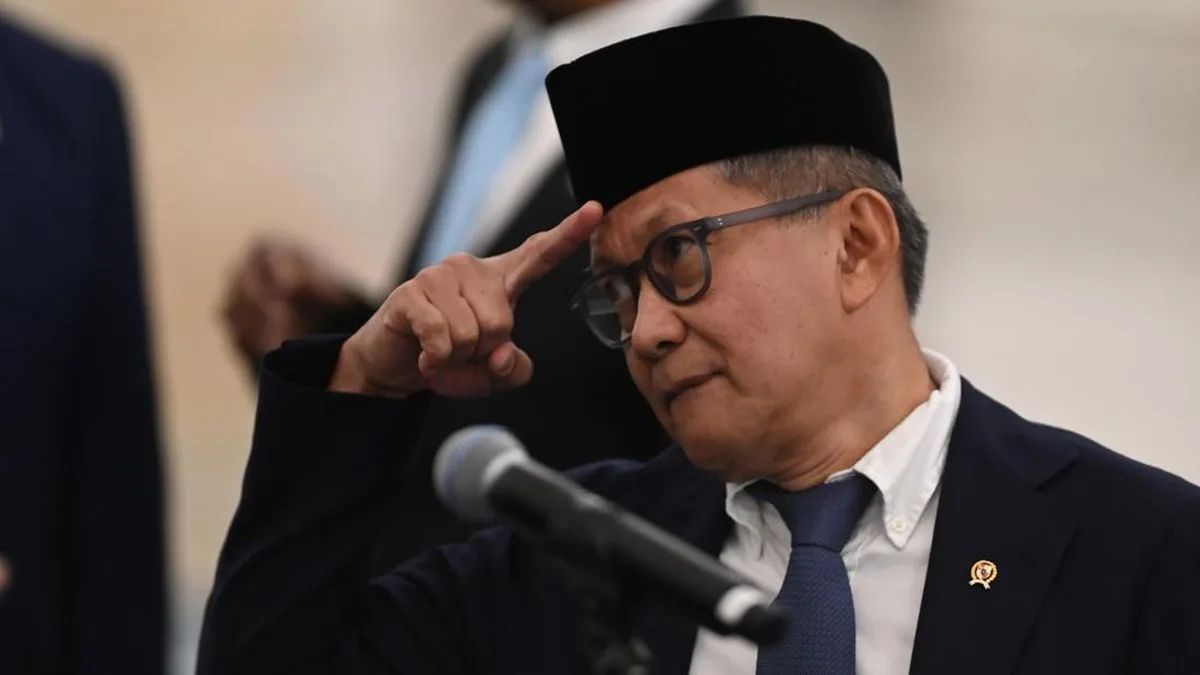
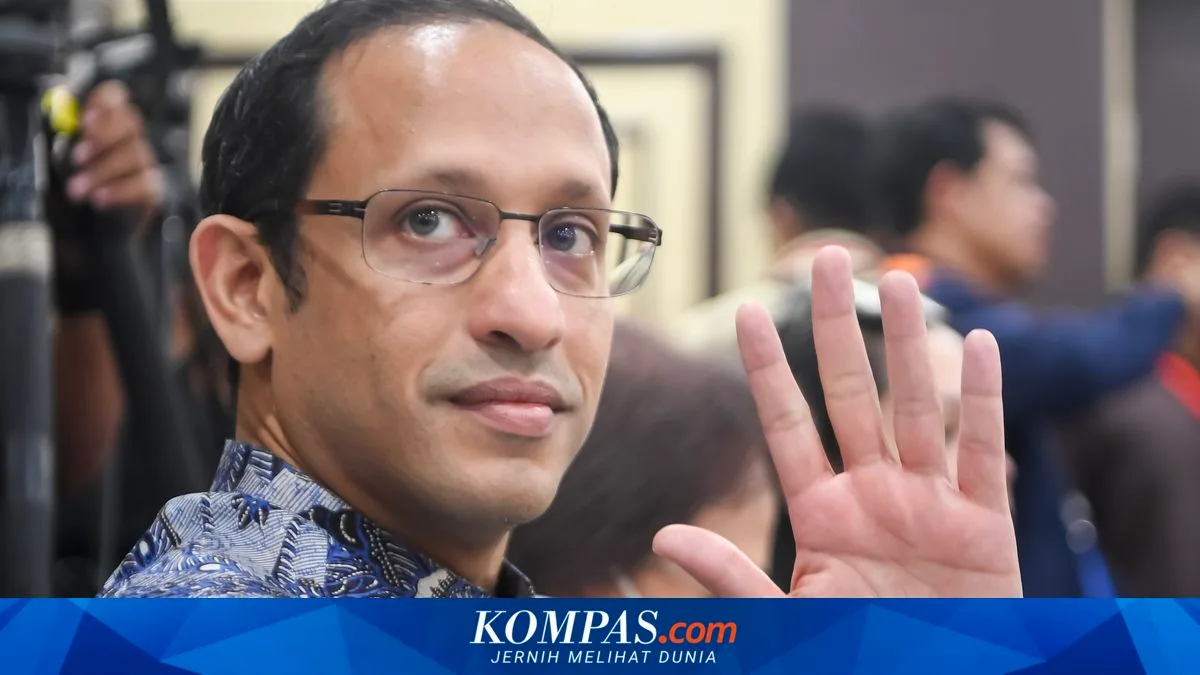
The second symbol, seats, is far more conspicuous. Social Affairs Minister Saifullah Yusuf now serves as Deputy General Chairman, as does Deputy State Secretary Juri Ardiantoro. ATR/BPN Minister Nusron Wahid joined the A'wan ranks, even though four people described by the KPK as his trusted associates have been named suspects in a bribery case involving the processing of Hak Guna Bangunan (HGB) permits, although Nusron himself has not been named a suspect. Religious Affairs Minister Nasaruddin Umar sits in the Rais ranks, while several governors fill A'wan seats. Conversely, Gus Yahya, the previous general chairman, is not listed in the structure. Gus Kikin said the lineup was drawn up on the principle of inclusivity and to accommodate all potential.
The entry of several state officials into the PBNU structure raises questions about the organization's independence. In the Indonesian context, NU is the largest mass organization with a strong pesantren base. When ministers and deputy ministers sit in leadership seats, the line between organizational interests and the interests of power becomes blurred. Is this a strategy to strengthen NU's position in public policymaking, or rather a risk of co-optation that weakens the organization's critical capacity? History records that NU was once a moral force capable of correcting power, not merely a part of that power itself.
The third symbol, mines, is the most concrete test. NU has a long tradition of fighting for social justice and for natural resource management that sides with the people. As mining permits are increasingly granted to religious organizations, NU's moral commitment is at stake. Will the organization be able to keep its distance from exploitative practices that damage the environment, or will it become involved in them? The public will judge by the policies and stances taken, not by rhetoric.
With this new composition, NU stands at a crossroads. On one hand, Gus Kikin's legitimacy and the presence of the alim kiai offer hope for ethical leadership. On the other, the dominance of power seats raises concerns about the organization's direction. In NU tradition, collective decisions and deliberation are the foundation, but external political dynamics often press in. Will the syuriyah be able to serve as an effective counterweight? Or will it be swept along by the current? The answer to this question will determine not only NU's future, but also the face of Indonesian Islam on the national stage.