A Week in Politics: Rocky Gerung at the Palace to the Rotation of the National Police Leadership
Baca dalam 60 detik
- Rocky Gerung resmi dilantik sebagai anggota Wantimpres, menandai masuknya figur kritis ke lingkaran penasihat presiden.
- Pergantian Kapolri menjadi sorotan utama, memicu spekulasi arah kebijakan keamanan dan penegakan hukum ke depan.
- Kedua peristiwa ini mencerminkan konsolidasi kekuasaan di awal periode pemerintahan, dengan implikasi pada stabilitas politik nasional.
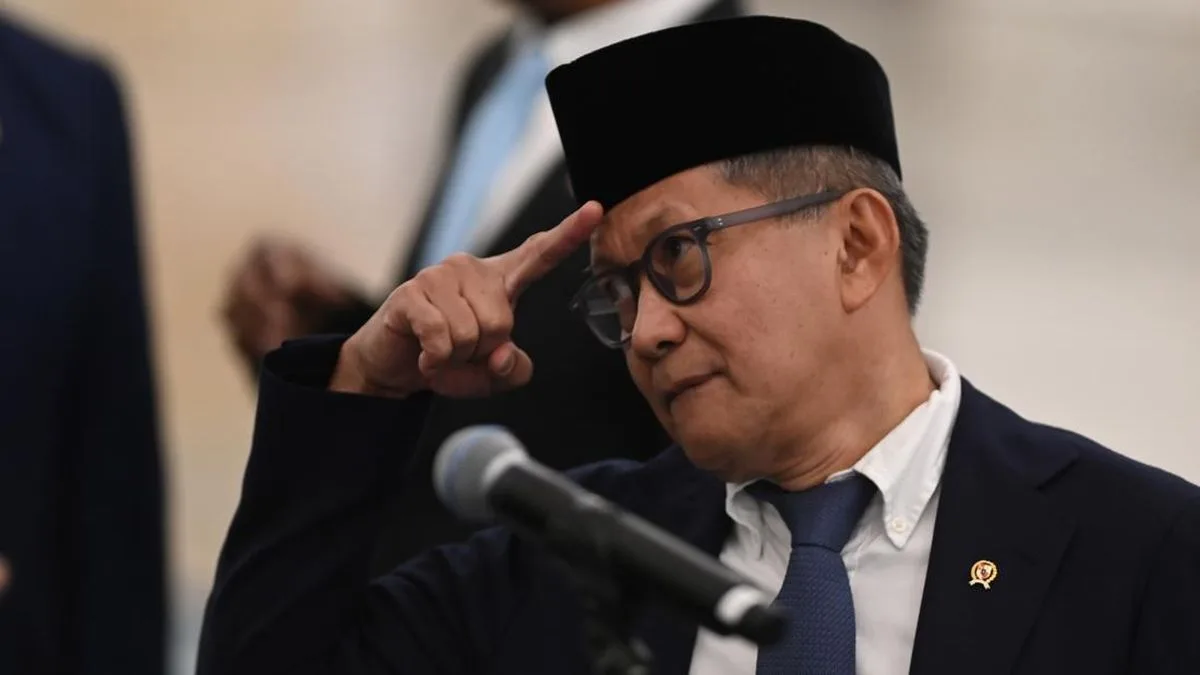
Jakarta, LyndHub — Indonesia's political stage this week featured two crucial moments marking a new chapter in the configuration of power: the appointment of Rocky Gerung as a member of the Presidential Advisory Council (Wantimpres) and the replacement of the National Police chief. Both are more than ceremony; they signal how President Prabowo Subianto is assembling his political and security strategy in the first year of his administration.
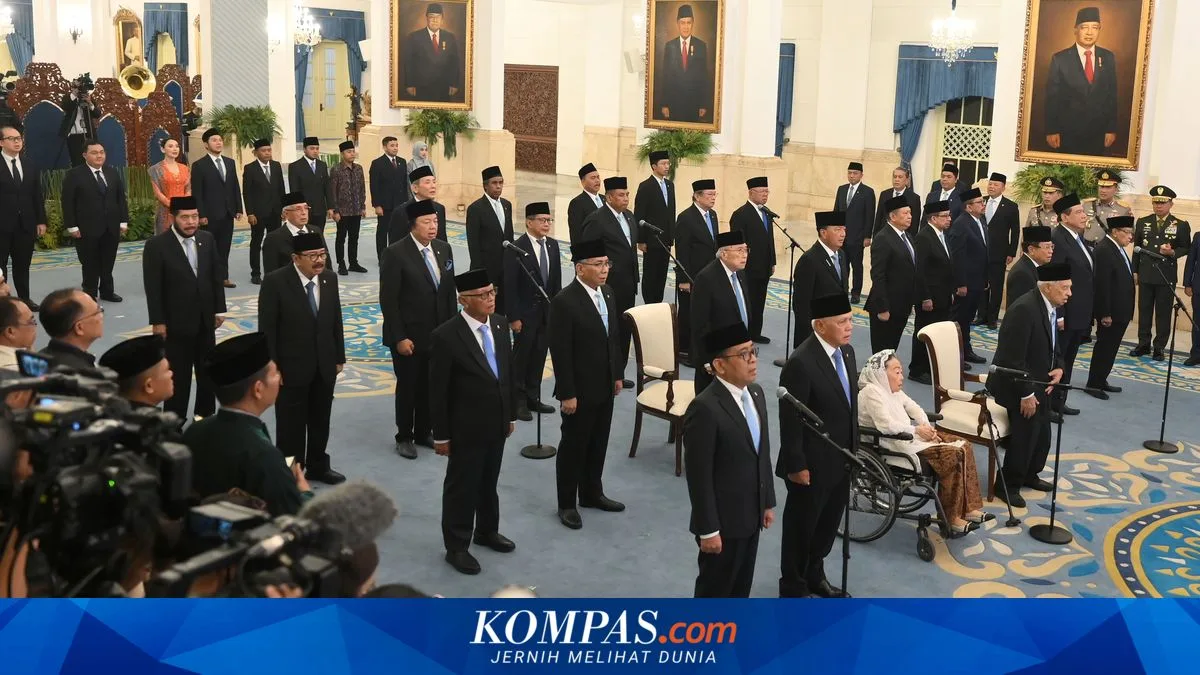
Rocky Gerung's inauguration at the State Palace came as a surprise in itself. For years, the philosophy academic was known as a sharp critic of government policy, including during the era of President Joko Widodo. Now he sits in the president's advisory seat. The move is interpreted as an effort to broaden the base of legitimacy while absorbing critical voices into the system. However, a number of observers argue that the Wantimpres position carries no binding policy power, so the effectiveness of Rocky's role still needs to be tested.
Meanwhile, the rotation within the National Police has become a major focus. A change of police chief always carries major consequences, not only for the institution's internal affairs but also for the direction of law enforcement and security stability. In the context of a consolidating democracy, the new police leadership is required to balance professionalism and public accountability. Issues such as handling corruption cases, oversight of officers, and civil-military relations are no light homework.
From a political standpoint, these two events can be read as maneuvers to strengthen cohesion within the government. Rocky Gerung, who had long been outside the circle of power, is now given formal space. Meanwhile, the appointment of a new police chief allows the President to place a figure aligned with the national security vision. Yet the public is certainly waiting to see whether this step will lead to better governance, or instead enlarge the concentration of power without adequate checks.
"The entry of a critical figure into the palace can be a strategy of co-optation, but it can also be a path to dialogue. What matters most is how security and legal policy remain on the side of the people's interests," said a political analyst who declined to be named.
On the other hand, a change of police chief is always a moment of reflection for institutional reform. The public hopes the new police chief will be able to clean up the institution from corrupt practices, improve service to the public, and maintain neutrality in every political agenda. The biggest challenge is restoring public trust, which had been eroded by a number of controversies in the past.
Going forward, these two dynamics will be intertwined. If Rocky Gerung can push for more inclusive policy from within, and the new police chief succeeds in fixing the institution, then this new chapter of government could become a turning point for democratic improvement. But if both amount to symbols without substance, the public will grow even more skeptical of reform promises. The question is, will this consolidation produce better governance, or instead reinforce the status quo?