PBNU 2026-2031: Gufroni Sakaril and Bahrul Fuad, New Disability Faces on the Leadership Board
Baca dalam 60 detik
- PBNU resmi menempatkan dua figur penyandang disabilitas, Gufroni Sakaril dan Bahrul Fuad, dalam struktur kepengurusan periode 2026-2031.
- Jumlah pengurus PBNU bertambah dari 189 menjadi 210 orang, sebuah langkah yang disebut untuk meratakan representasi generasi dan unsur organisasi.
- Langkah ini menjadi ujian awal bagi PBNU dalam menerjemahkan komitmen inklusi menjadi kebijakan nyata yang berdampak bagi warga disabilitas di Indonesia.
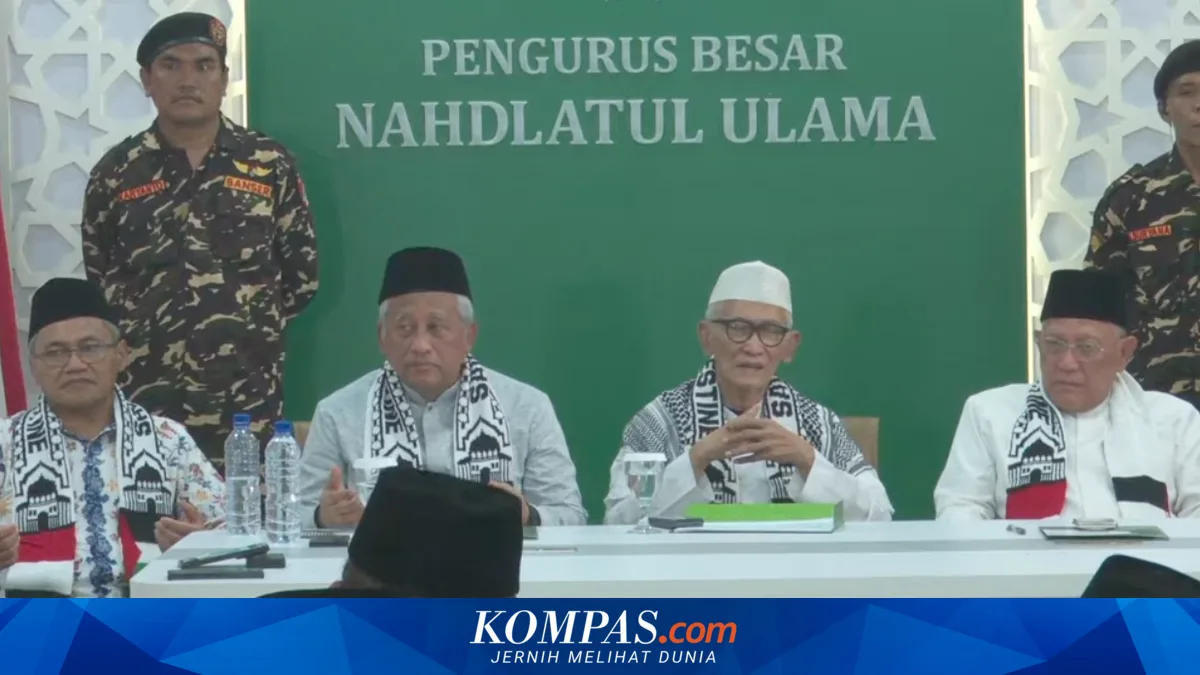
The Nahdlatul Ulama Central Board (PBNU) has officially announced its leadership lineup for the 2026-2031 term with a breakthrough rarely seen in the history of Indonesia's large religious organizations: the inclusion of two persons with disabilities in its core ranks. Drs. Gufroni Sakaril has been entrusted as PBNU Chair, while Dr. Bahrul Fuad MA fills the position of Deputy Secretary General.
The announcement was made in Central Jakarta on Wednesday (30/9/2026), along with the reading of the full leadership structure. Katib Aam Syuriah PBNU Mohammad Nuh described the presence of the two as a representation of persons with disabilities or special needs. He expressed hope that all board members would carry out their responsibilities in the interest of society and the nation.
The addition of seats for persons with disabilities is not merely symbolic. PBNU General Chair KH Abdul Hakim Mahfudz, or Gus Kikin, revealed that the total number of board members rose from 189 in the previous period to 210. According to him, the addition of 21 people was made to achieve a more even structure, both in terms of generation and organizational elements.
The new composition also features a number of prominent names. Social Affairs Minister Saifullah Yusuf, or Gus Ipul, has been appointed PBNU Deputy Chair. Meanwhile, two former Vice Presidents, Ma'ruf Amin and Jusuf Kalla, occupy Mustasyar positions. Their presence signals that PBNU is seeking to embrace political strength and statecraft experience within a single organizational vessel.
The youth element also received attention. The Nahdlatul Ulama Student Association (IPNU), the Indonesian Islamic Student Movement (PMII), and the Ansor Youth Movement were said to have been taken into account in the formation of the board. This step is seen as an effort to maintain regeneration and strengthen the organization's roots at the grassroots level.
"Hopefully, with the announcement of this board lineup starting tomorrow morning, serving, once this is done, we have a responsibility to society," said Gus Kikin.
For the Indonesian public, PBNU's decision mirrors how a large religious organization responds to the issue of inclusion. Until now, persons with disabilities have often been sidelined from decision-making spaces, both in government institutions and civil society organizations. The presence of Gufroni and Bahrul on the leadership board opens hope that policies concerning vulnerable groups will no longer be formulated without their voice.
However, the real challenge has only just begun. The entry of disability representatives into the structure does not automatically remove accessibility barriers, both physical and social, within the NU environment. The public will assess whether this step continues into real programs, such as vocational training, legal assistance, or disability rights advocacy at the branch and sub-branch levels.
The announcement of this board lineup also answers the question of the composition that will accompany Gus Kikin and Rais Aam KH Miftachul Akhyar over the next five years. With an additional 21 seats, PBNU appears to want to ensure that every element—from senior ulama to young people and disability groups—has its representative.
Going forward, the relevant question is no longer who sits on the leadership board, but how far this more inclusive structure can produce policies that have an impact on millions of NU members, including those who have long been marginalized. If successful, PBNU could become a reference for other organizations in Indonesia in building leadership that truly represents all segments of society.