Ombudsman Exposes Cibinong Prison's Rot: Rp 150,000 Weekly Extortion and Luxury Cars in Restricted Area
Baca dalam 60 detik
- Ombudsman RI menemukan sejumlah pelanggaran serius di Lapas Kelas IIA Cibinong, mulai dari pungutan liar hingga lemahnya sistem keamanan.
- Temuan ini memperkuat indikasi bahwa lapas masih menjadi ruang gelap yang rawan penyalahgunaan kekuasaan dan praktik koruptif.
- Jika tidak ditindaklanjuti, krisis kepercayaan publik terhadap sistem pemasyarakatan berpotensi melebar ke sektor penegakan hukum secara keseluruhan.
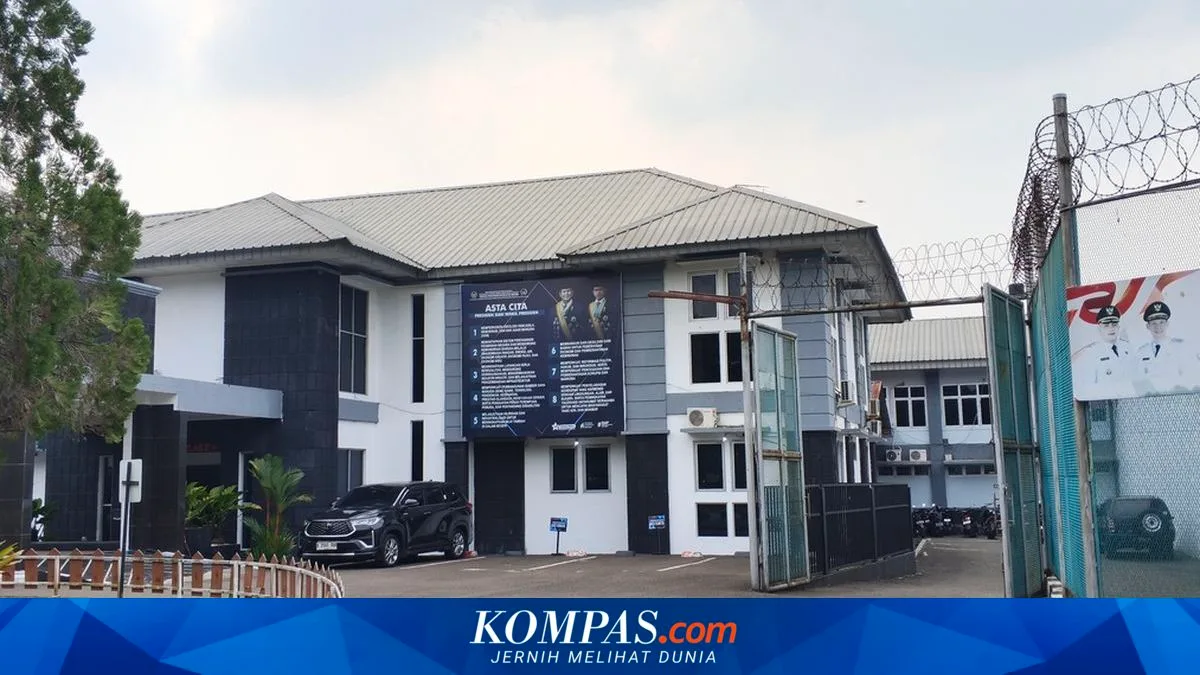
The Indonesian Ombudsman has uncovered illegal levies (pungli) at the Class IIA Cibinong Penitentiary in Bogor Regency, West Java, reaching Rp 150,000 per week for each inmate in one block. The finding emerged during a hearing with Commission II of the House of Representatives at the DPR Building in Senayan, Jakarta, on Tuesday (29/9/2026), and immediately raised questions about how deep the prison governance problem runs in Indonesia.
Ombudsman member Syafrida Rachmawati Rasahan disclosed that the information on the illegal levies came from families of inmates who had just finished visiting. She also highlighted the prison's security, which she assessed as very weak. At the back of the prison, a path connected directly to a residential neighborhood was found without a fence. The path was even used as a garbage dump.
"What we highlight most is security. This is the vehicle, this has no fence, this is an access road to the community. And this is a garbage dump," Syafrida said in the forum.
The situation was compounded by the absence of barbed wire in the detention block, unlike the standard at other prisons or detention centers. Loose fencing and free access to the detention block area raised serious concerns about potential escapes, smuggling, and the circulation of contraband. The Ombudsman's suspicion grew stronger upon finding two luxury cars parked in the same rear area. It is not yet known who owns or uses the vehicles. The Ombudsman also found used liquor bottles at the location, though no official confirmation has been obtained.
The Ombudsman has requested the vehicle data from Korlantas Mabes Polri to identify the owners. "We are conducting checks and we need to convey this as input," Syafrida said. As of this news being published, there has been no official statement from Cibinong Prison or the Ministry of Immigration and Corrections regarding the findings.
"Below it, we found two luxury cars. We don't know who they are for and when I asked here we also found used liquor bottles for which we could not yet get confirmation." — Syafrida Rachmawati Rasahan, Member of the Indonesian Ombudsman
This finding is not the first to tarnish the face of correctional institutions. A number of prisons in various regions have previously been frequently reported for illegal levies, drug circulation, and luxury facilities for certain inmates. This pattern points to a structural problem: weak internal oversight, minimal transparency, and a deeply rooted culture of impunity.
For the public, especially professionals and business actors, this situation is a signal that reform in the law enforcement sector has not yet reached the grassroots. When prisons, as the frontline of rehabilitation, instead become nests of rent-seeking practices, trust in the justice system is at stake. Investors, for instance, often use legal stability and government governance as risk indicators before investing capital. Prison scandals can reinforce the perception that law enforcement in Indonesia can still be "negotiated".
The Ombudsman plans to follow up on this finding by recommending comprehensive improvements, from fixing security infrastructure to taking firm action against illegal levies. However, without sustained oversight and deterrent sanctions, the recommendation risks becoming merely a document on paper. The question is, will the Ministry of Immigration and Corrections move quickly or once again let this "rot" gape open until the next finding emerges?