New Homes in UK Flood Zones Risk Becoming Uninsurable, Aviva Boss Warns Government
Baca dalam 60 detik
- Aviva memperingatkan pembangunan perumahan di kawasan rawan banjir Inggris dapat membuat properti tidak layak diasuransikan di masa depan.
- Data Environment Agency menunjukkan 6,3 juta properti di Inggris saat ini berisiko banjir, berpotensi melonjak menjadi 8 juta pada pertengahan abad.
- CEO Aviva juga mengkritik spekulasi kebijakan pensiun menjelang anggaran yang memicu penarikan dana hingga 30 kali lipat dari normal.
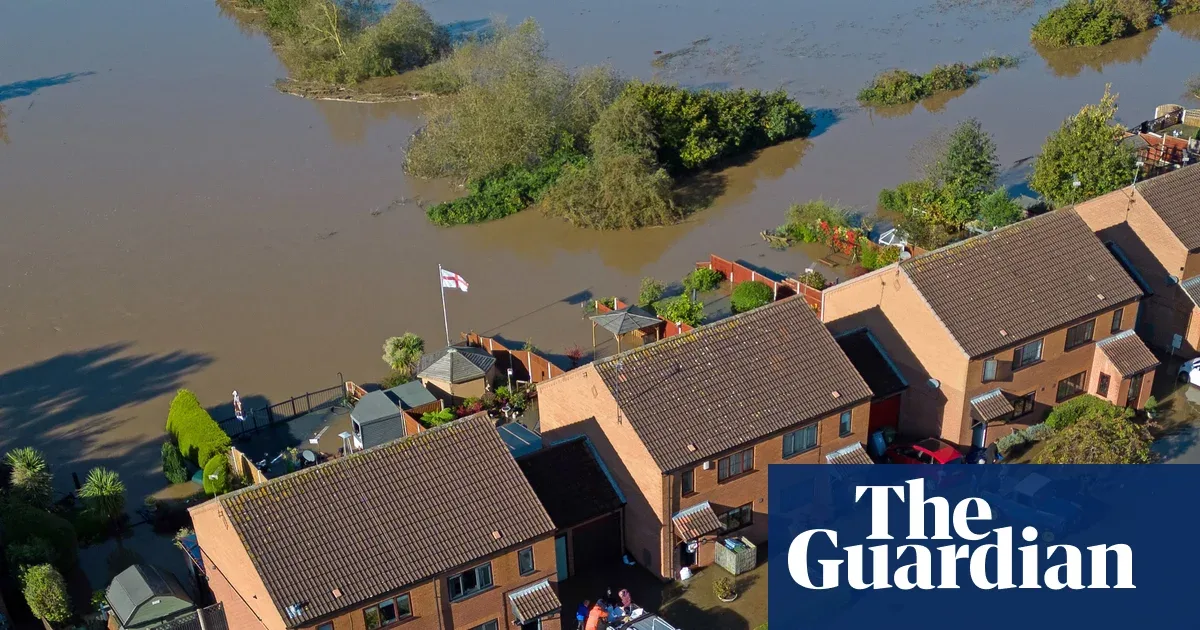
Amanda Blanc, Chief Executive of Aviva—the UK's largest insurance company—said homes currently being built in flood-prone areas could become uninsurable in the future. The warning comes as the flood threat in the UK is described as "absolutely increasing" and existing construction patterns are deemed unsustainable.
In an interview with the BBC, Blanc highlighted that if building practices do not change, around 115,000 homes will stand in flood zones within the next ten years. "That doesn't make sense to me. We need to think about where those homes are built," she said. She stressed that flood-prone locations are already well known, so they should be a serious consideration in spatial planning.
Environment Agency data estimates that around 6.3 million homes and businesses in the UK are currently at flood risk. That figure could swell to around 8 million—or one in four properties—by the middle of this century as the climate crisis worsens. Aviva itself projects that nearly a third of new homes built in 2024 will face flood risk by 2050, with one in seven of them at medium to high risk.
Blanc also highlighted the importance of risk mitigation. According to her, there are many steps that can be taken to make properties more flood-resistant. However, she stressed that construction decisions must carefully consider location. "You can do various things to your property to make it more or less vulnerable to flooding," she added.
Beyond the flood issue, Blanc criticized the practice of policy "kite flying"—speculation about policy circulating before the official budget—ahead of John Healey's first budget as chancellor on 28 October. Aviva is a leading private pension provider, and speculation about changes to pension rules has triggered a surge in withdrawals. "We saw 30 times the normal withdrawals from pensions last year, which customers can clearly regret because once you take the tax-free lump sum, you can't put it back," she explained. She asked the government to think very carefully before testing policies that could trigger market panic.
"We need to think very carefully about the homes being built. Flood zones are already well known." — Amanda Blanc, CEO of Aviva
Indonesian Context: This warning is relevant for Indonesia, which also faces similar challenges. Several coastal cities such as Jakarta, Semarang, and Surabaya are frequently hit by tidal flooding and seasonal floods. Housing development in flood-prone areas remains widespread, while property insurance penetration against flood risk is relatively low. If this pattern continues, more households will bear economic losses from flooding without adequate insurance protection. Regulators and local governments need to tighten spatial planning and promote affordable disaster insurance schemes.
Going forward, the question is not only whether the insurance industry can bear the swelling risk, but also how far the government dares to halt construction in dangerous zones. Without firm policy intervention, the homes built today could become a fiscal and social burden in the future—both in the UK and in disaster-prone countries like Indonesia.