Health Minister Budi Gunadi Sadikin Enters WHO Director-General Race: Prabowo's Assignment and the Global Competition Map
Baca dalam 60 detik
- Menteri Kesehatan Budi Gunadi Sadikin resmi menjadi salah satu dari lima kandidat Direktur Jenderal WHO, bersaing dengan wakil dari Qatar, Arab Saudi, Belgia, dan Spanyol.
- Pencalonan ini disebut sebagai penugasan langsung Presiden Prabowo Subianto, dengan proses seleksi berjenjang yang baru akan memunculkan tiga nama pada Januari 2027 dan pemilihan final pada Mei 2027.
- Jika terpilih, ini menjadi pertama kalinya Indonesia menempati kursi pimpinan tertinggi badan kesehatan global, dengan implikasi besar bagi diplomasi kesehatan dan industri farmasi nasional.
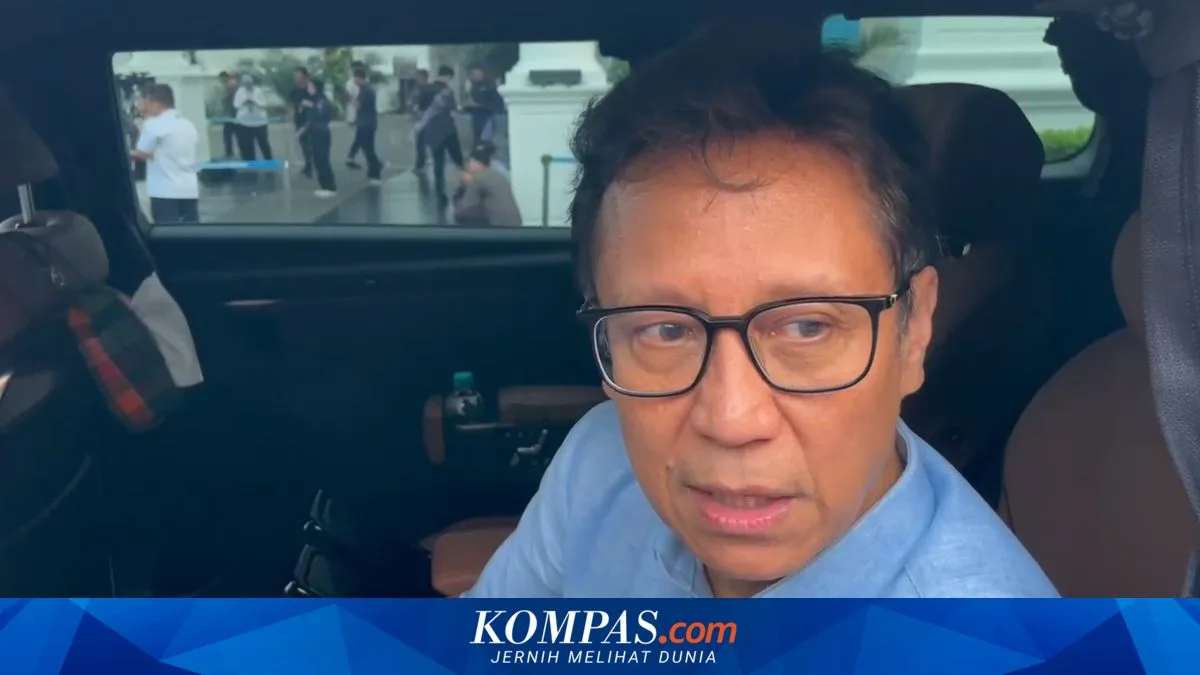
Health Minister Budi Gunadi Sadikin stressed that his candidacy for Director-General of the World Health Organization (WHO) is a direct assignment from President Prabowo Subianto. Budi made the statement at the Presidential Palace Complex in Jakarta on Monday (28/9/2026), when he chose not to comment much on the ongoing process. "Yes, just pray for it. This has been assigned by Mr. President," he said briefly.
Budi then explained that the mechanism for electing the WHO Director-General is still long. According to him, in January 2027, the list of candidates will be trimmed to three names. Only after that, in May 2027, will the final vote be held. "Later, in January it will be narrowed down to 3. Then the election is in May, only in May next year," he said.
The registration period for WHO Director-General candidates itself officially closed on Thursday (24/9/2026). By the close, five figures from five different countries had registered to replace the incumbent, Tedros Adhanom Ghebreyesus. Besides Budi, the other four candidates are Hanan Mohammed Al-Kuwari from Qatar, Hanan Balkhy from Saudi Arabia, Hans Kluge from Belgium, and Maria Neira from Spain. All five will compete for the top position at the global health body.
Budi's candidacy is not merely internal WHO dynamics. It marks a more aggressive step in Indonesia's health diplomacy on the multilateral stage. So far, strategic positions in global institutions have rarely been filled by Indonesian representatives, even though the country is one of the world's largest populations and has experience handling pandemics, immunization programs, and tropical health challenges. Budi's presence in the candidate field signals that Jakarta wants to help shape the direction of global health policy, not just be a recipient of policy.
For readers in Indonesia, especially professionals and investors, there are several implications worth noting. First, if Budi is elected, Indonesia could potentially have greater access to global research networks, funding, and pharmaceutical cooperation. Second, domestic health policy could gain stronger international legitimacy, particularly regarding the standardization of drug and medical device products. Third, a position at WHO can be a diplomatic tool to champion the interests of developing countries on issues of vaccine access and technology transfer.
"This has been assigned by Mr. President. Just pray for it," said Budi Gunadi Sadikin, Indonesia's Health Minister, in Jakarta, Monday (28/9/2026).
Even so, the competition will not be easy. Hans Kluge, for instance, is an influential figure at WHO Europe with a long track record in public health policy. Hanan Balkhy from Saudi Arabia brings experience in antimicrobial resistance, while Maria Neira from Spain is known as an environmental health expert. Meanwhile, Hanan Mohammed Al-Kuwari from Qatar represents a new force in the Gulf region that is increasingly active in global health funding. This map shows that the WHO Director-General election is not only about individual capacity, but also about geopolitics and alliances among member states.
On the domestic side, Budi's candidacy also opens a discussion about Indonesia's readiness to fill global leadership positions. So far, Indonesia has often been seen as a middle power that has not optimally used its position in multilateral forums. If Budi succeeds, this could set a precedent for other Indonesian figures to run in international organizations. However, if he fails, the question is how seriously Indonesia builds a base of diplomatic support and how far the campaign strategy has been prepared.
What is clear is that the process toward May 2027 is still long. Support from WHO member states, especially from Southeast Asia and Africa, will be key. The Indonesian public, especially businesses in the health and pharmaceutical sectors, should follow this development because the final decision could influence the direction of global health policy, with direct effects on drug supply chains, vaccine prices, and domestic health product regulations. Will Indonesia be able to convert this candidacy into real influence at WHO, or will it become only a historical footnote without results?