Nadiem's Sentence Cut to 9 Years, Attorney General's Office Yet to Decide Stance
Baca dalam 60 detik
- Pengadilan Tinggi DKI Jakarta memangkas vonis Nadiem Makarim dari tingkat pertama menjadi 9 tahun penjara dan denda Rp1 miliar.
- Kejaksaan Agung menyatakan masih mempelajari salinan putusan banding sebelum memutuskan langkah hukum berikutnya.
- Uang pengganti yang dibebankan kepada Nadiem turun menjadi Rp548,7 miliar dengan subsider 6 tahun kurungan.
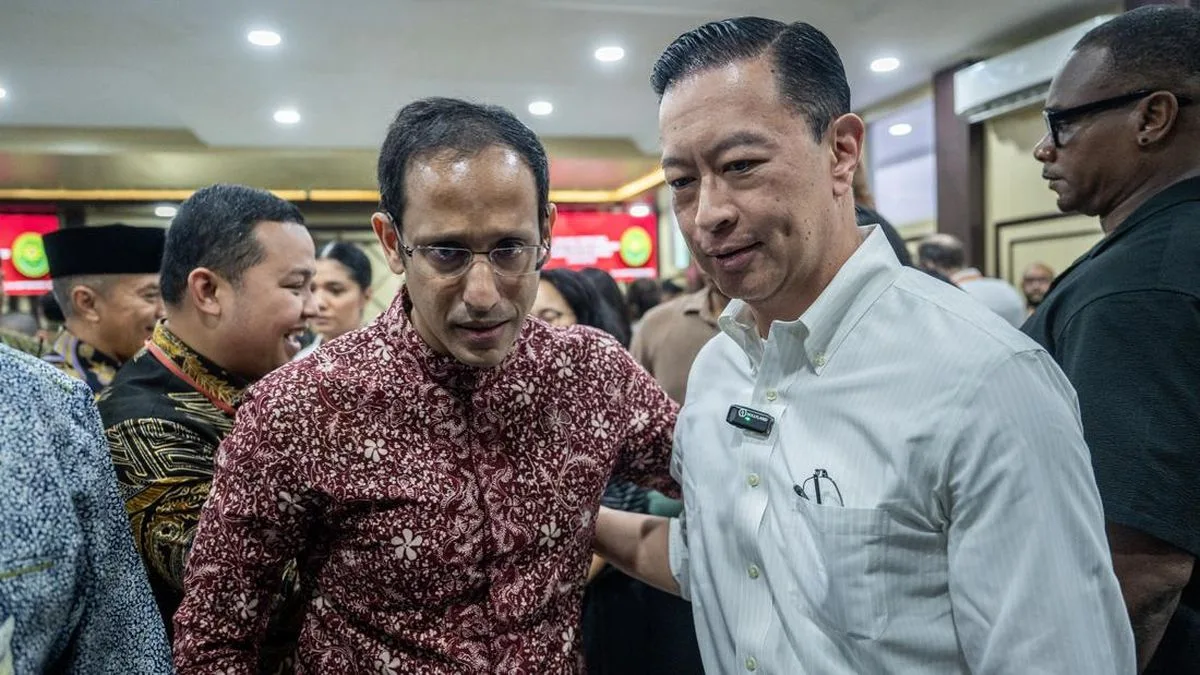
The panel of judges at the DKI Jakarta High Court sentenced Nadiem Anwar Makarim, former Minister of Education, Culture, Research, and Technology, to nine years in prison in the corruption case involving the procurement of Chromebook laptops and Chrome Device Management (CDM) under the 2020–2022 budget. The appeal ruling was read out on Thursday (24/9), cutting the sentence previously handed down at the first instance.
In addition to the prison term, the appeal judges imposed a fine of Rp1 billion. If the fine is not paid within one month—extendable by a maximum of one month after the ruling becomes legally binding—an additional penalty will apply. The panel also reduced the restitution Nadiem must pay to Rp548,761,031,950.86, with a substitute prison term of six years if that obligation is not met.
The Head of the Legal Information Center at the Attorney General's Office, Anang Supriatna, said his office respects the ruling. However, he stressed that the public prosecutor team has not yet taken an official stance. "The prosecutor team will study the ruling after we receive a copy of it," he said when confirmed on Thursday (24/9). According to Anang, prosecutors will determine the next step within the time limit set by law.
This ruling is lighter than the first-instance verdict at the Corruption Court at the Central Jakarta District Court. Nevertheless, the restitution figure that must be paid remains significant, reflecting the calculation of state losses tied to the educational technology procurement project.
For the public, this case is a test of the consistency of corruption eradication in the goods and services procurement sector, especially where the education budget is concerned. The school digitalization program through Chromebooks was once an icon of the Merdeka Belajar policy, but its implementation now lies under the shadow of alleged irregularities. Transparency in educational technology procurement is in the spotlight, given the large project value and its impact on the quality of learning.
From a legal standpoint, the Attorney General's Office's next step will determine the final direction of this case. If prosecutors accept the appeal ruling, execution can proceed immediately. However, if it is deemed not to meet a sense of justice, the cassation option remains open. The public and market players will watch whether the legal process runs independently without political intervention, especially since Nadiem once served as a cabinet minister.
Also worth noting is the implication of this ruling for procurement governance in ministries and agencies. This case can serve as a precedent for oversight of government technology projects, including mandatory forensic audits and vendor evaluations. Going forward, the question is: will this appeal verdict end the polemic, or instead open a new chapter through a cassation effort that could again change the sentencing landscape?