Trump and Xi Meet at the White House: 'Great Friendship' Claim Amid AI and Trade Tensions
Baca dalam 60 detik
- Pertemuan bilateral AS-China di Washington menjadi yang pertama sejak 2017, dengan Xi Jinping melakukan kunjungan resmi keduanya ke Gedung Putih.
- Kedua pemimpin menekankan pentingnya pengawasan manusia atas kecerdasan buatan, sementara Trump menyebut hubungan mereka sebagai 'persahabatan yang benar-benar hebat'.
- Bagi Indonesia, pertemuan ini berpotensi mempengaruhi arah kebijakan teknologi dan perdagangan di kawasan, termasuk investasi dan alih teknologi.
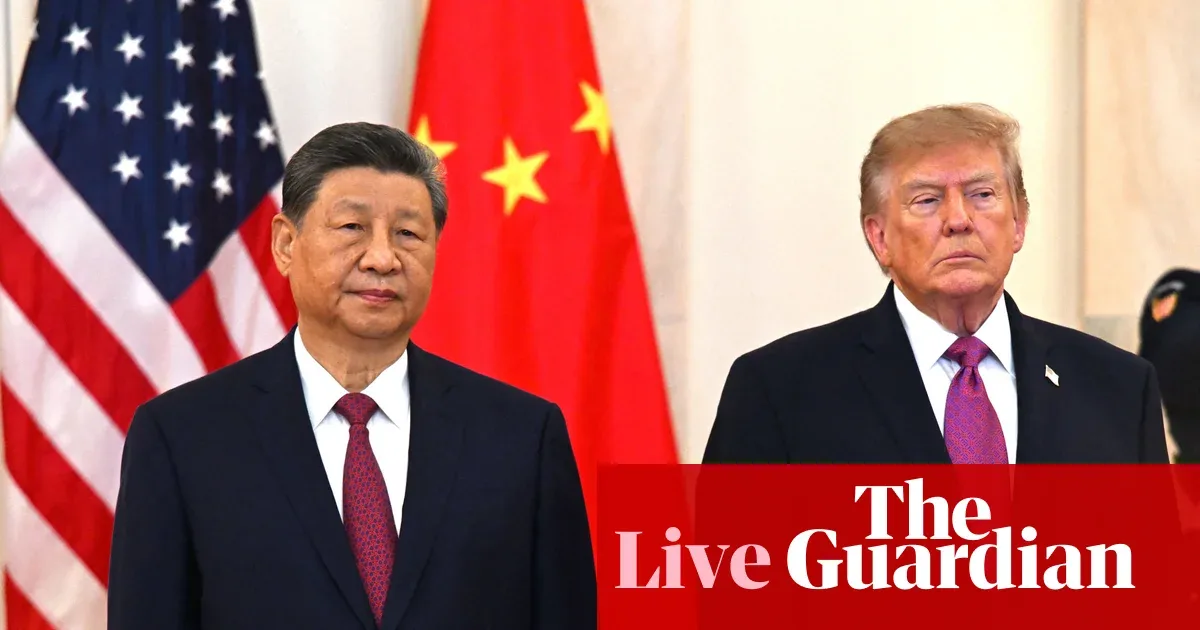
US President Donald Trump and Chinese President Xi Jinping held a summit at the White House on Wednesday (24/9), marking Xi's second official visit to Washington since taking office. During the meeting, Trump claimed that their relationship had developed into a "truly great friendship" since he was first elected in 2016. He also highlighted that this was the first time he and Xi had met at the White House, adding, "A lot has changed since the last time he was here."
The meeting drew global attention because it took place amid technology and trade tensions that have not fully eased. In his remarks, Xi Jinping stressed that China and the US must ensure artificial intelligence (AI) "always remains under human control". The statement underscored shared concerns about the ethical and security risks of rapidly advancing AI development, especially in the context of technological competition between the two countries.
Although the atmosphere of the meeting appeared warm, analysts assess that behind the smiles and handshakes, fundamental differences remain over trade policy, intellectual property rights, and cybersecurity. The United States continues to press China to open its markets and stop forced technology transfer practices, while China wants fairer access for its technology companies in the global market. The meeting is expected to produce several preliminary agreements, but their implementation still awaits further discussion.
For Indonesia, this meeting has significant implications. As the largest economy in Southeast Asia, Indonesia sits at the intersection of US and Chinese interests. Any agreed AI policy could influence technology regulation in the region, including ethical and security standards that ASEAN countries may adopt. In addition, if a trade agreement is reached, it could open investment and technology transfer opportunities for Indonesia, especially in the digital and manufacturing sectors.
"We want to ensure that AI does not become a threat to humanity, but becomes an empowering tool," Xi Jinping said in the session, as quoted by Chinese state media.
However, challenges remain. Tensions in the South China Sea and the Taiwan issue are still stumbling blocks in bilateral relations. Indonesia, which holds a strategic position in the region, needs to carefully navigate these dynamics so as not to get caught in the rivalry between the two major powers. The Indonesian government is expected to use this moment to advance national interests, including in trade negotiations and technology cooperation.
Looking ahead, will this meeting produce concrete breakthroughs or merely symbolize a momentary warmth? What is clear is that the world will watch how the two leaders navigate their differences, and how other countries, including Indonesia, respond.