Helsinki and Its Underground City: Wartime Shelters That Are Now Public Spaces
Baca dalam 60 detik
- Helsinki memiliki jaringan kota bawah tanah terencana pertama di dunia yang berfungsi ganda sebagai ruang publik dan tempat perlindungan bom.
- Fasilitas seperti kolam renang Itäkeskus, museum seni Amos Rex, dan gereja Temppeliaukio menunjukkan integrasi infrastruktur pertahanan dengan kehidupan sipil.
- Model ini menawarkan pelajaran bagi kota-kota padat di Indonesia dalam mengelola ruang bawah tanah untuk ketahanan dan kesejahteraan warga.
Beneath the city of Helsinki, Finland, lies a surprising underground world: swimming pools, go-kart tracks, playgrounds, and even art galleries. All these facilities are woven into a tunnel network stretching nearly 300 kilometers, making it the world's first planned underground city that serves not only as public space but also as a bomb shelter.
The concept began with the need for space efficiency amid urbanization. Instead of placing heating plants and telecommunications cables on expensive surface land, Helsinki chose to use underground cavities originally dug as bunkers during World War II. In 2010, the city council approved an underground master plan covering hundreds of man-made caves and tunnels down to a depth of 90 meters. Since then, these spaces have been repurposed into malls, metro stations, and recreational facilities.
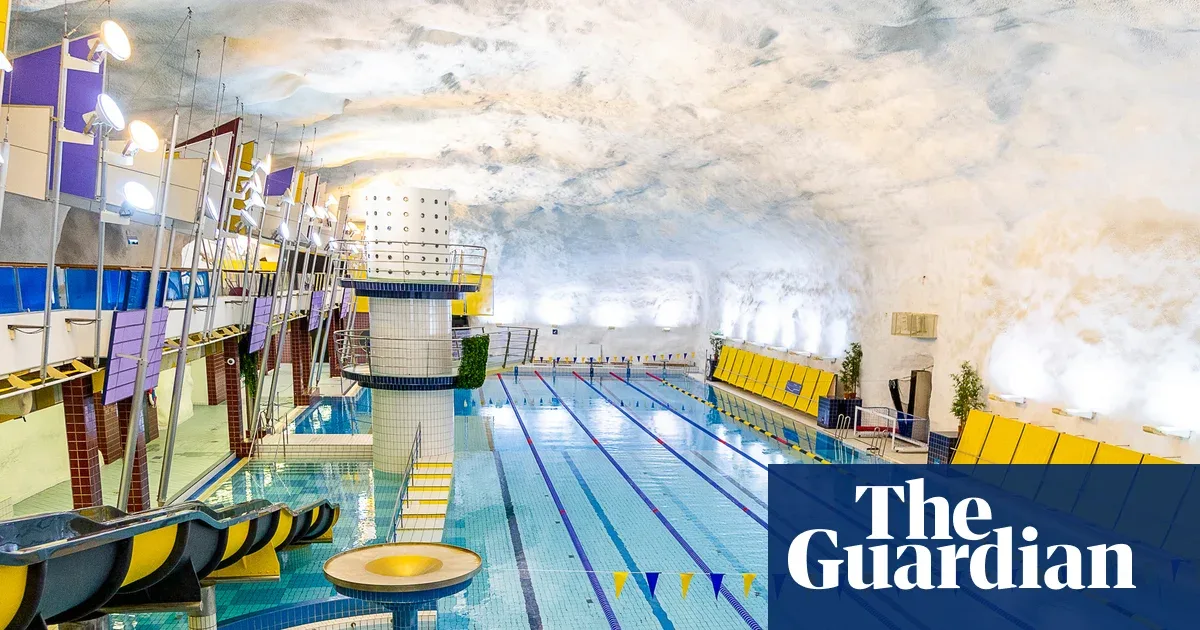
One of the most prominent is Itäkeskus uimahalli, an underground swimming pool that opened in 1993. Each year, around 400,000 people visit it. With admission at €6 for adults and €3.30 for children, it is a favorite for families and budget travelers. Inside, visitors are treated to the look of an artificial moon: walls of white, undulating granite, pools with lavender and canary-yellow tiles, and saunas and steam rooms included in the ticket.
What makes Helsinki special is not merely the existence of underground space, but the way the city hides its defense function behind everyday life. Itäkeskus, for instance, has no visual clue that it is a bunker. Only the smell of chlorine and the warmth of the room greet visitors. Yet in an emergency, the pool can be drained and fitted with decontamination showers. "This is an example of a highly responsive city," writes author Gabriella Bennett in her book, How to Build a City, which documents her research travels to various cities.
Besides the swimming pool, Helsinki also has the underground art museum Amos Rex, whose skylights protrude like antennas from the sidewalk, and Temppeliaukio Church, half-buried inside a giant rock. Both are bomb shelters designed with high aesthetics. "All of this is proof that we can design the future with spirit and beauty," Bennett writes.
For Indonesia, Helsinki's approach offers a new perspective. Jakarta, for instance, faces similar challenges: limited land, population density, and the need for public space. Underground development for mass transit is already underway, but integration with disaster protection and recreation functions remains rare. Helsinki shows that defense infrastructure does not have to be ugly or hidden; it can be part of a pleasant daily life.
However, adopting this model in Indonesia would require careful geological and social study. Jakarta's soft, earthquake-prone soil is a challenge in itself. In addition, the culture and habits of residents need to be considered so that underground spaces do not become alien places. Even so, the basic principle—maximizing vertical space for multiple functions—is relevant for large cities that keep growing.
Going forward, the question is no longer whether cities need to build downward, but how to ensure underground spaces remain inclusive, safe, and sustainable. Helsinki has proven that with careful planning, a city can protect its residents without sacrificing quality of life. Will other cities, including in Indonesia, follow this path?