Jokowi May Be Summoned in Hajj Quota Corruption Trial, Yaqut's Team Speaks Out
Baca dalam 60 detik
- Kuasa hukum Yaqut Cholil Qoumas membuka peluang menghadirkan Jokowi sebagai saksi dalam sidang dugaan korupsi kuota haji tambahan.
- Keterangan Jokowi dinilai relevan untuk mengurai dasar kebijakan pembagian kuota 50:50 yang diklaim sebagai arahan Presiden ke-7.
- Langkah ini berisiko menyeret istana ke pusaran hukum dan menguji akuntabilitas kebijakan publik di sektor haji.
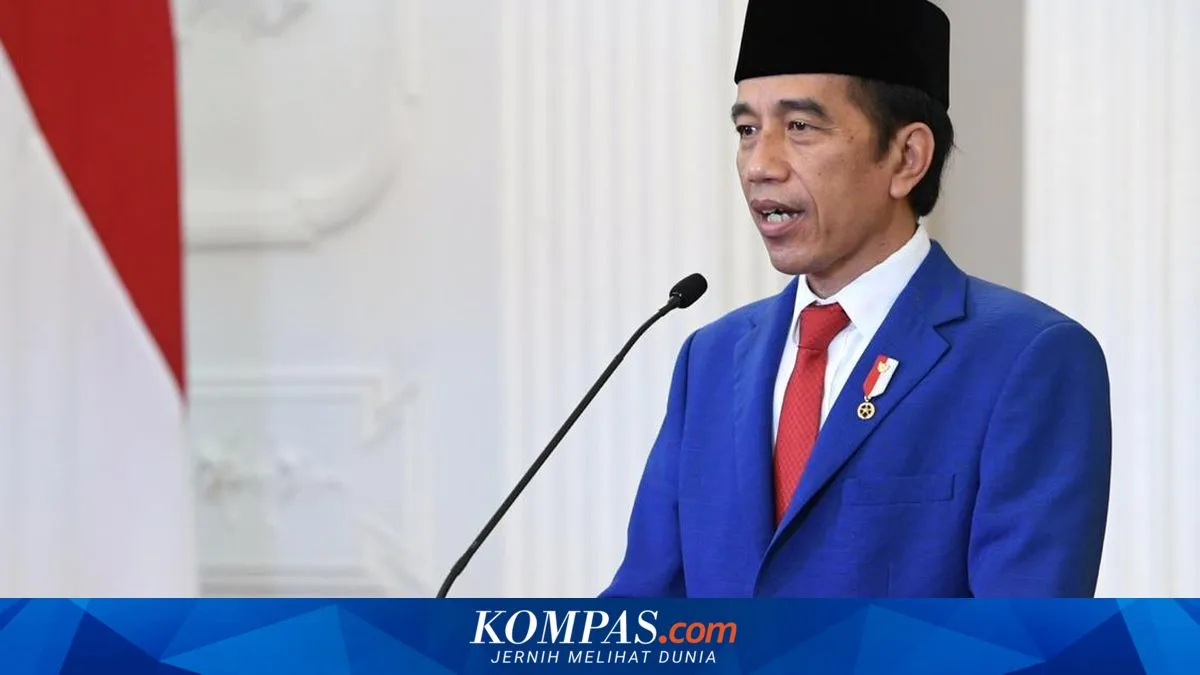
The name of Indonesia's 7th President, Joko Widodo, has resurfaced in the Central Jakarta Corruption Court (Tipikor). The legal counsel for Yaqut Cholil Qoumas, Mellisa Anggraini, said she does not rule out proposing Jokowi as a witness in the case of alleged corruption in the additional hajj quota for 2023–2024. The statement was made after a hearing on Thursday (24/9/2026), marking a new chapter that could potentially drag central government policy into court.
According to Mellisa, Jokowi's presence is needed to confirm the directives Yaqut received before the 50:50 hajj quota distribution policy was implemented. She linked the policy to a meeting between Jokowi and Yaqut on 27 November 2023, which discussed the evaluation of the 2023 hajj pilgrimage. "The President's directive is relevant to the rationale for the 50:50 policy, namely hifdzun nafs (protecting lives)," Mellisa said.
She added that the directive was then followed up through studies and simulations before the policy was taken. However, she was reluctant to confirm whether Jokowi would actually be summoned. "Well, let's see how it develops," she said briefly. Jokowi's name had previously also been mentioned by another defendant, Isfah Abidal Aziz alias Gus Alex, who also wanted the former president to attend.
The case began with alleged corruption in the management of the additional hajj quota involving former Minister of Religious Affairs Yaqut Cholil Qoumas. The KPK named four defendants, including Asrul Azis Taba. The indictment highlights the quota allocation that allegedly deviated from regulations, with potential state losses and a direct impact on the queue for regular hajj pilgrims.
If Jokowi is indeed brought in, this trial could test the doctrine of presidential policy accountability. So far, presidential directives have often been considered a strong legal basis, but in a criminal context, the line between policy and abuse of authority becomes blurred. Yaqut's lawyer argues that the 50:50 policy was taken solely to protect the safety of pilgrims, not for personal or group interests.
"The President's directive is relevant to what Gus Yaqut conveyed regarding the rationale for the 50:50 policy, namely hifdzun nafs," said Mellisa Anggraini, Yaqut's legal counsel.
For the Indonesian public, especially prospective hajj pilgrims and investors in the umrah-hajj travel sector, this development matters. The hajj quota policy has a direct impact on queue length, travel costs, and service certainty. Legal uncertainty could affect the investment climate in the hajj and umrah travel sector, which has long been one of the fast-growing sharia business lines.
In addition, this case tests the transparency of hajj quota governance, which has been criticized for minimal public participation. If the court reveals intervention or irregularities, the government needs to formulate a new, more accountable mechanism, for example by involving independent auditors and periodically publishing quota allocations.
Going forward, the big question is not only whether Jokowi will attend, but how far the court can separate policy responsibility from criminal acts. If a former president is summoned, this precedent could influence how high officials face legal proceedings in the future. Conversely, if not, the public may question the seriousness of combating corruption in a sector that concerns the livelihoods of many people.