KMP Virgo Evacuation Hampered by Java Sea Currents, Basarnas Deploys 4 Ships and Helicopters
Baca dalam 60 detik
- Basarnas mengerahkan empat kapal besar dan dua helikopter untuk mengevakuasi korban KMP Virgo Transport 8 yang hilang kontak di Laut Jawa.
- Personel penyelam menggunakan tabung oksigen ganda karena kondisi bawah laut menuntut kemampuan khusus dan ekstra oksigen.
- Keterbatasan kapal cepat membuat respons evakuasi memakan waktu hingga enam jam, menyoroti perlunya peningkatan armada SAR nasional.
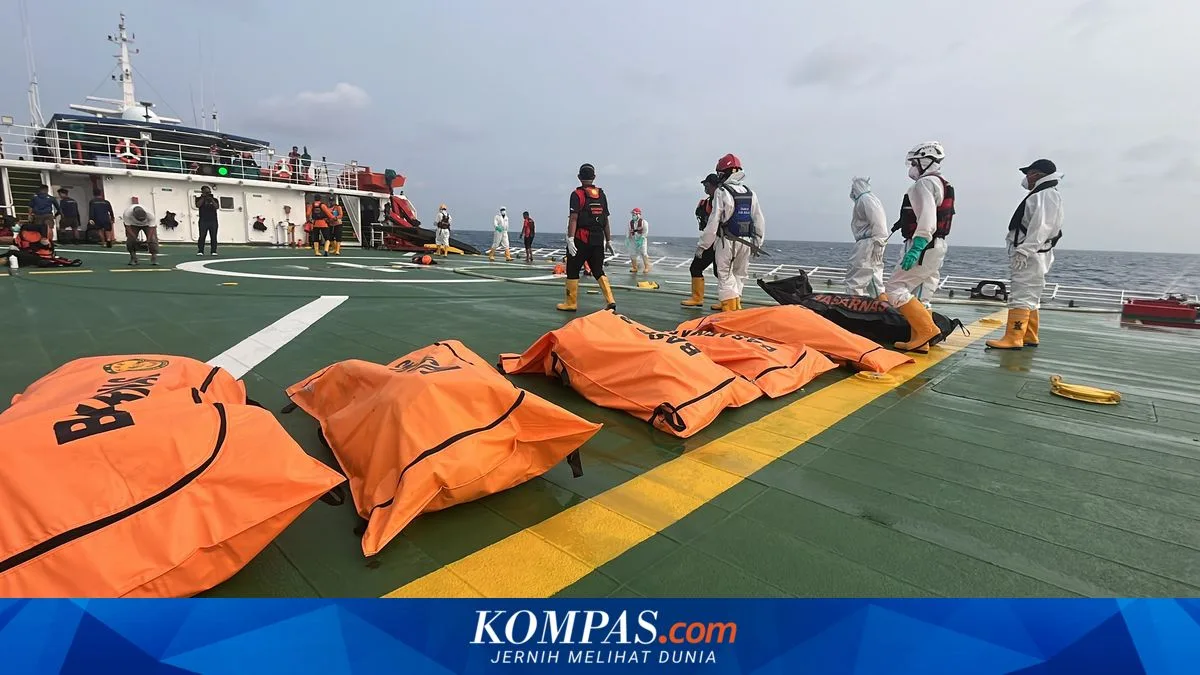
The head of the National Search and Rescue Agency (Basarnas), Air Vice Marshal Mohammad Syafi'i, said the operation to evacuate victims of KMP Virgo Transport 8 in the Java Sea faces serious challenges. The passenger motor vessel on the Surabaya–Banjarmasin route was reported to have lost contact, prompting a large-scale deployment of resources from various agencies.
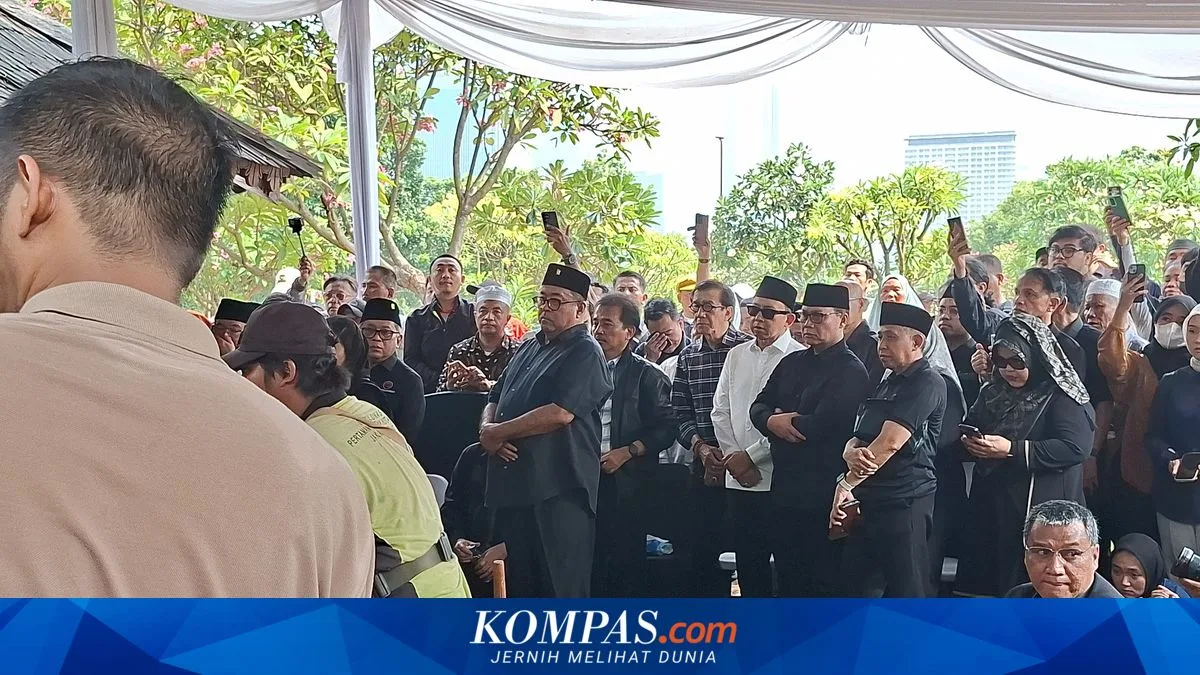
In a statement at the Parliamentary Complex in Jakarta on Thursday (24/9/2026), Syafi'i said Basarnas divers had to use two oxygen tanks at once to dive at the scene. According to him, the conditions demand special skills and an extra oxygen supply, because currents and sea depth complicate the search and recovery of victims.
Basarnas is not acting alone. Four large Basarnas vessels previously stationed in Makassar, Kendari, and Batam have been deployed to the location. In addition, assistance came from the Ministry of Transportation in the form of a navigation vessel equipped with refrigerated containers to hold victims, as well as helicopter support from the TNI. "We are also supported by a navigation vessel from the Ministry of Transportation, inside it there are already containers with storage for cooling," Syafi'i said.
Syafi'i acknowledged that fleet speed is a crucial factor. He estimated that if Basarnas had fast boats, his team could reach the location in less than six hours. "If only we had fast boat capability, perhaps we could be at this location in under 6 hours," he said. The statement highlights the need for investment in more modern SAR defense equipment, especially for vast waters such as the Java Sea.
Until now, the number of victims successfully evacuated remains fluctuating. On average 7 to 11 victims are found each day, so two helicopters are considered still adequate to transport them. However, bad weather is the main obstacle. Basarnas hopes the weather will improve so that more victims can be found and evacuated to the navigation vessel already equipped with cooling facilities.
"Because to be able to dive in conditions like that requires extra oxygen and also special skills." — Air Vice Marshal Mohammad Syafi'i, Head of Basarnas
For Indonesia, this incident is a reminder that shipping safety on busy routes such as the Java Sea remains fragile. KMP Virgo Transport 8 was carrying passengers from Surabaya to Banjarmasin, two cities that are important economic hubs. Delays in evacuation affect not only the victims and their families, but also public trust in sea transport services. Investors in the logistics and marine tourism sectors will certainly be watching whether there is any improvement in ferry safety regulations after this incident.
Going forward, the big question is whether the SAR budget will be increased for the procurement of fast boats and advanced diving equipment. Without that, similar risks could recur in other waters. The government and the DPR need to push for the modernization of the Basarnas fleet so that disaster response at sea no longer depends on luck with the weather.