Denmark Warns of Russian Hybrid Attacks on NATO: Critical Infrastructure and Casualties Targeted
Baca dalam 60 detik
- Dinas intelijen pertahanan Denmark memprediksi eskalasi serangan siber dan sabotase Rusia terhadap negara NATO dalam beberapa bulan mendatang.
- Aksi tersebut berpotensi melumpuhkan infrastruktur vital dan menimbulkan korban jiwa, dengan risiko serangan militer terbatas yang dinilai rendah namun meningkat.
- Situasi ini menuntut kewaspadaan global, termasuk Indonesia, terhadap dampak rantai pasok dan stabilitas geopolitik.
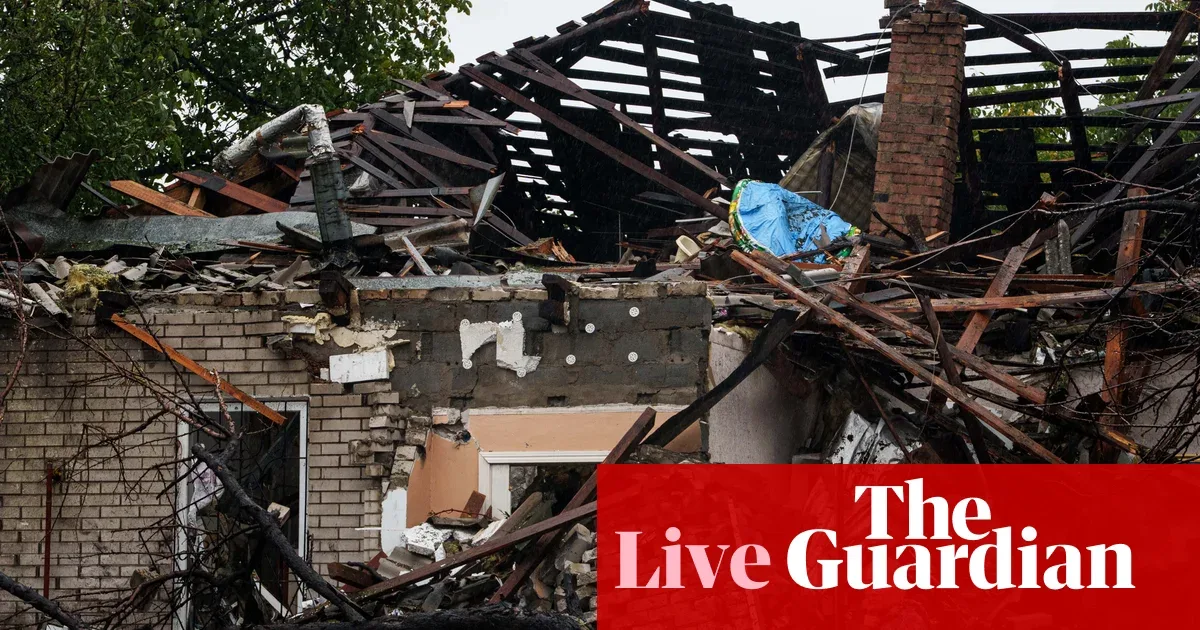
Denmark's defense intelligence service (DDIS) released a report warning that Russia is expected to step up hybrid attacks against NATO member states in the coming months. These attacks include cyber operations and sabotage targeting critical infrastructure, with the risk of casualties described as "high".
The report assesses that Moscow is seeking to disrupt European support for Ukraine, both by preventing weapons supplies and by weakening alliance solidarity. DDIS expects attacks to become more frequent and to carry greater consequences for target countries, including efforts to cripple power, transport, or communication networks.
Beyond hybrid attacks, the intelligence agency also highlighted the possibility of limited military strikes against neighboring countries. Although the risk of a full-scale invasion is deemed "highly unlikely", the option of limited strikes cannot be ruled out. Such attacks could take the form of a single long-range strike or a "false flag" operation using Ukrainian drones to provoke conflict.
The report comes amid a series of warnings from European leaders, including Polish Prime Minister Donald Tusk, as well as other intelligence agencies on the continent. They assess that Russia is increasingly aggressive in using asymmetric tactics to weaken NATO from within.
"Hybrid attacks are part of Russia's strategy to test limits and divide the alliance," the report says, as quoted from official DDIS documents.
For Indonesia, the escalation of tensions in Europe could affect global economic stability, particularly energy prices and supply chains. As a non-aligned country, Indonesia needs to monitor these developments because a protracted conflict could disrupt international trade and increase volatility in financial markets.
The Indonesian government is expected to strengthen national cyber security, given that hybrid attacks could also target neutral countries. Multilateral diplomacy through ASEAN and the UN is crucial to encourage de-escalation and maintain world peace.
Looking ahead, will NATO strengthen its collective defense or instead face internal fragmentation? The answer to this question will determine the direction of global security in the years to come.