Yusril Flags Legal Vacuum if Court Disqualifies Gibran: Automatic or Impeachment
Baca dalam 60 detik
- Menko Hukum Yusril Ihza Mahendra menegaskan belum ada regulasi terperinci yang mengatur akibat hukum bila Mahkamah Konstitusi menyatakan Gibran Rakabuming Raka tidak memenuhi syarat sebagai wakil presiden.
- Ketiadaan norma hukum acara dalam Peraturan MK dinilai berpotensi memicu perdebatan akademik soal apakah putusan MK langsung menghentikan jabatan wapres atau harus lewat mekanisme pemakzulan.
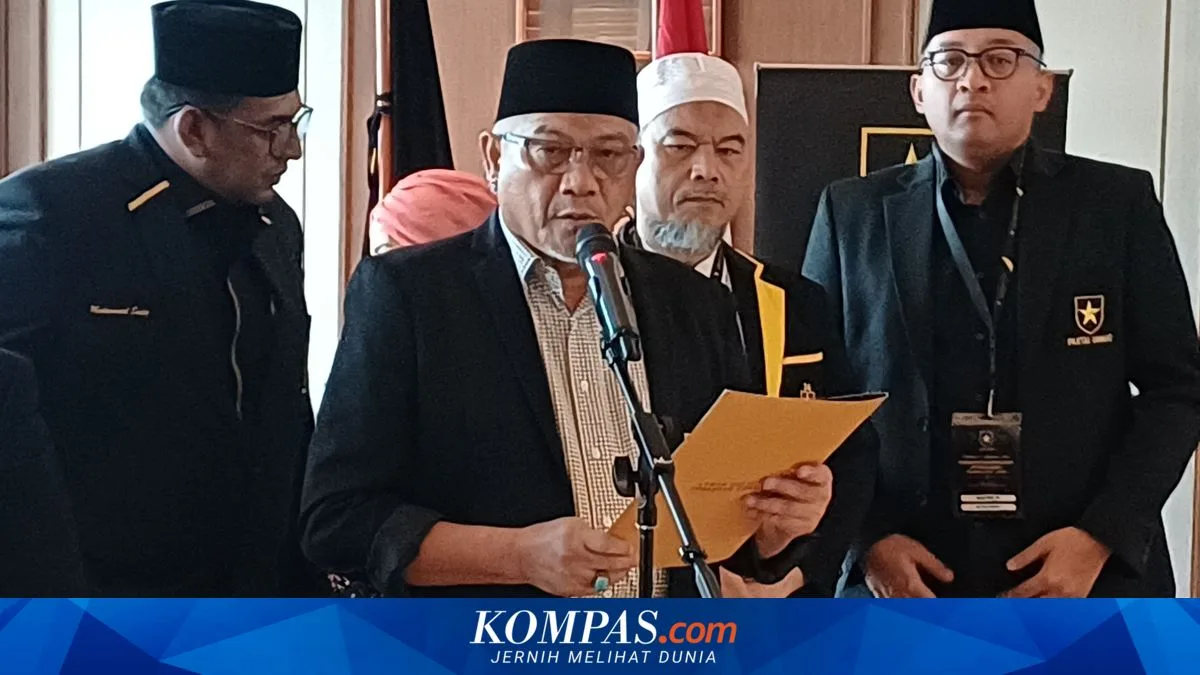
- Permohonan uji syarat pendidikan Gibran yang diajukan sejumlah pihak, termasuk KIPP dan Partai Ummat, membuka ruang ketidakpastian konstitusional yang bisa berdampak pada stabilitas pemerintahan ke depan.
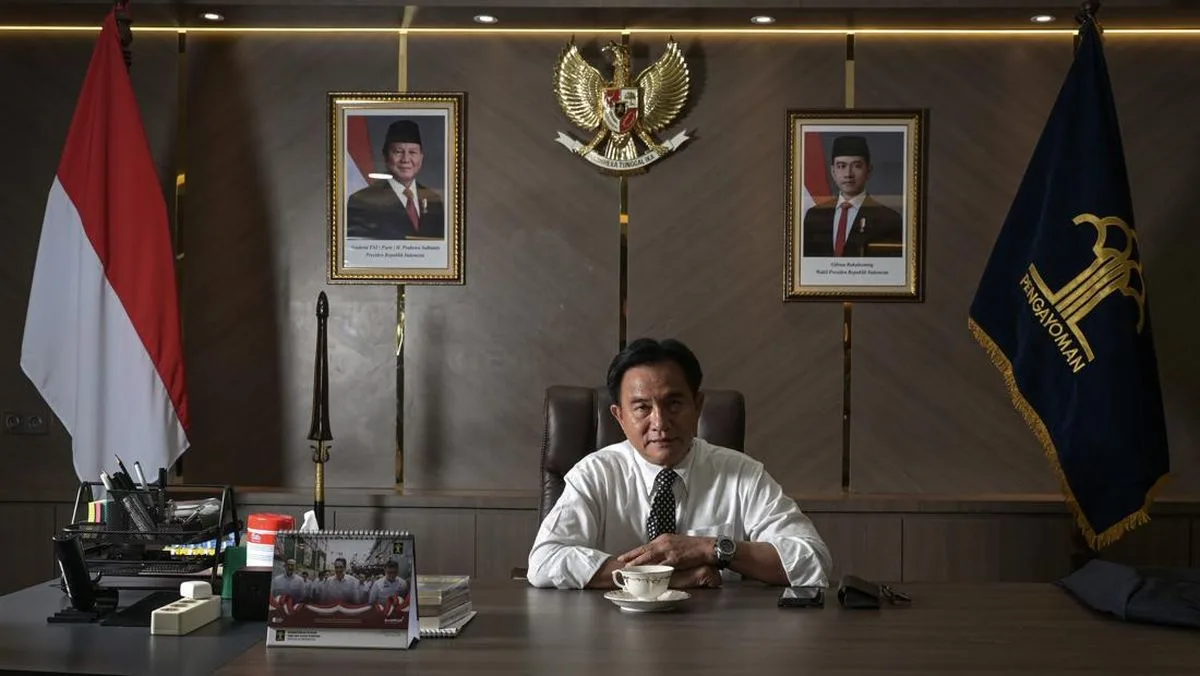
Coordinating Minister for Law, Human Rights, Immigration, and Corrections Yusril Ihza Mahendra said Indonesia's regulations lack a detailed mechanism to execute a Constitutional Court (MK) ruling that cancels the status of a vice president-elect. His statement comes amid an ongoing judicial review of the candidacy requirements for Gibran Rakabuming Raka at the MK, leaving a fundamental question about how the state should act if the petition is granted.
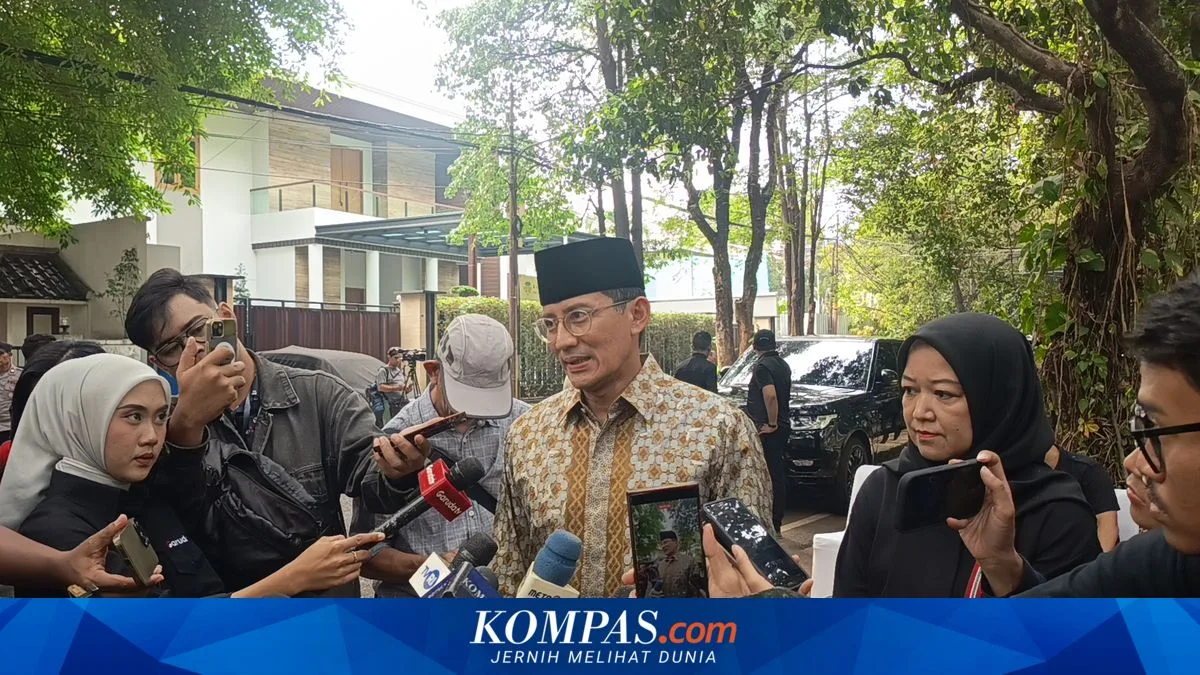
In a video uploaded to his personal YouTube channel on Thursday (24/9), Yusril said the issue sits in a gray area of constitutional law. He admitted he could not yet fully imagine the legal consequences if the constitutional justices ruled that Gibran did not meet the qualifications as a vice-presidential candidate. "That is not yet regulated in much detail in the existing rules, and the procedural law is also not there yet," he said, adding that the Constitutional Court Regulation (PMK) also does not cover the details of the issue.
Yusril's statement highlights two major scenarios that could spark prolonged debate among legal experts. First, whether the MK ruling would immediately terminate Gibran's position as vice president. Second, whether an impeachment process through the DPR and MPR would still be required as the constitutional route. According to him, both interpretations have their own argumentative bases and could open sharp academic debate. "Some may say it must go through impeachment, but others argue this is a court decision so there is no need for an impeachment process anymore," said Yusril, known as a constitutional law expert.
The petition registered at the MK not only seeks a declaration of non-qualification but also demands the annulment of the KPU Decree that designated Gibran as vice-presidential candidate, the cancellation of his inauguration by the MPR, and an order for the MPR to hold a session to elect a replacement vice president within 60 days. These demands directly touch the legitimacy foundation of the government resulting from the 2024 Presidential Election, so it is not merely an ordinary administrative dispute.
From a constitutional law perspective, the normative vacuum Yusril revealed is nothing new. The MK is often faced with cases that have no execution precedent, especially when the ruling is a constitutional review affecting an incumbent official. In some cases, the MK has chosen to formulate its own transition mechanism through its ruling, but that depends on the justices' courage to interpret the constitution progressively. Without clear procedural law guidance, the risk of institutional deadlock becomes real.
"Does it automatically stop or must it go back to the impeachment process? That could open academic debate on the issue." — Yusril Ihza Mahendra, Coordinating Minister for Law, Human Rights, Immigration, and Corrections.
The KPU at the MK hearing denied all the petitioners' arguments. The election organizer stated that Gibran's candidacy requirements complied with the rules and that the lawsuit was filed far past the deadline, namely 905 days after the designation. The KPU also questioned the petitioners' legal standing, arguing they have no legal standing to challenge those requirements. These arguments form the first wall the petitioners must pass before reaching the merits of the case.
For the Indonesian public, this case is not just about the past 2024 Presidential Election. If the MK grants the petition, the impact could spill over into political stability and financial markets. Uncertainty of leadership at the vice-presidential level could trigger turbulence in the bond market and exchange rate, especially if the transition process drags on. Conversely, if the petition is rejected, questions about legal certainty over candidacy requirements remain hanging and could resurface in future elections.
More urgently, the procedural law vacuum that Yusril acknowledged shows the need to improve regulations at the statutory level or at least revise the MK Regulation. Without that, any ruling touching an elected state official will always risk creating a constitutional crisis. The DPR and the government need to consider filling this gap so as not to rely on ad hoc interpretation in the courtroom.
Going forward, the public will wait to see how the MK navigates this case. Will the justices choose a textual approach by rejecting the petition on procedural grounds, or instead open a new chapter of bold constitutional interpretation? The answer will not only determine Gibran's fate but also test how far Indonesia's legal system can handle an unprecedented dilemma.