Norfolk Broads Housing Levy Criticized as Too Low, Sparks 'Cash to Trash' Outcry
Baca dalam 60 detik
- Pemerintah Inggris menetapkan pungutan £2.675 per rumah untuk pembangunan 15.780 unit di Norfolk Broads, jauh di bawah draf awal yang mencapai £60.500 per unit.
- Analisis menunjukkan tambahan 7.695 kg nitrogen per tahun akan masuk ke perairan dilindungi, sementara tidak ada langkah pencegahan pencemaran yang disertakan.
- Kebijakan ini menjadi cetak biru bagi rencana serupa di situs dilindungi lain, memicu kekhawatiran konflik kepentingan dan preseden 'pay to pollute'.
The UK government has drawn sharp criticism after setting an environmental levy deemed too low for housing developers in the protected Norfolk Broads area. In a plan published last week, Natural England—the government's nature advisory body—set a charge of £2,675 per home for 15,780 units to be built on protected wetlands. This figure is far lower than the initial draft, which estimated mitigation costs of between £5,400 and £60,500 per home, depending on the level of nutrient pollution generated.
The policy, called Environmental Delivery Plans (EDP), allows environmental damage to be overlooked as long as developers pay into a nature restoration fund. The first installment payment serves as a green light for construction to begin. The total £42 million raised is claimed to fund peatland creation, restoration of farmland into semi-natural habitat, waterway improvements, and deer population management. However, ecologists and environmental lawyers argue the fund will not be enough to cover the cost of mitigating nitrogen and phosphorus pollution, which will rise sharply.
Alexa Culver, legal adviser at RSK Wilding, revealed that the development will inject an additional 7,695 kg of nitrogen per year into protected waters—equivalent to 83% of the total pollution load—as well as up to 435 kg of phosphorus per year. "Developers will pay a levy that actually gives the green light to more pollution, not solve it. This is the literal definition of 'pay to pollute' or 'cash to trash'," she said.
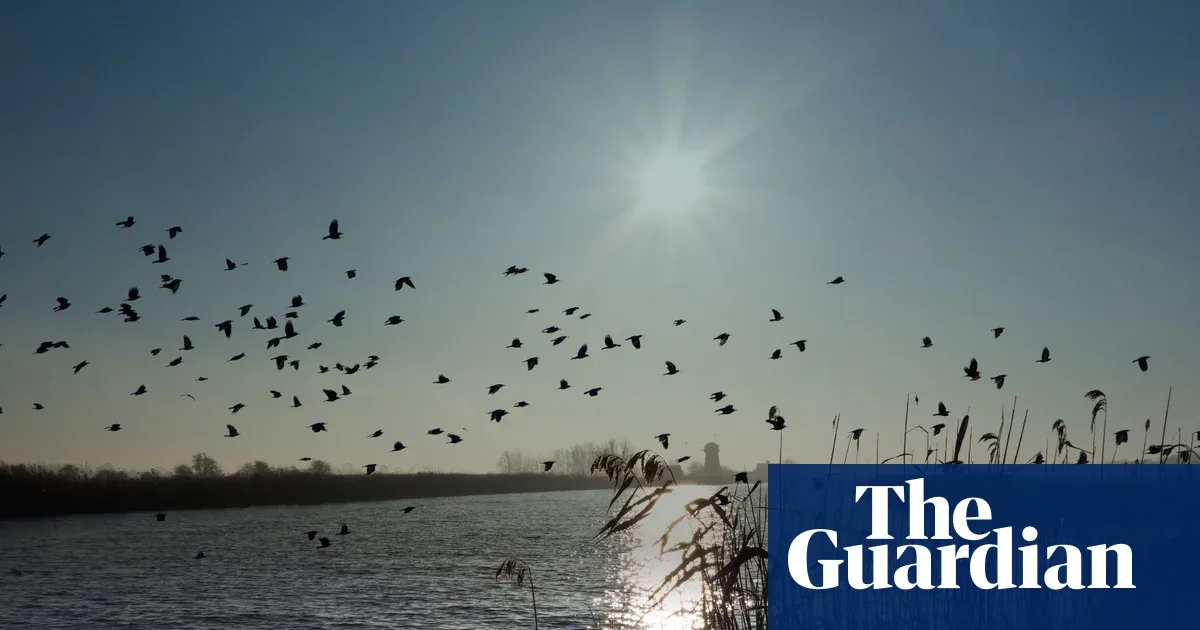
The Norfolk Broads is a network of 60 shallow lakes and winding rivers that is home to more than a quarter of the UK's rarest wildlife species, such as otters, cuckoos, and marsh orchids. The area is already on the red list due to nitrogen and phosphorus pollution from sewage, agriculture, and urban runoff. Natural England itself acknowledges that housebuilding will cause physical, chemical, hydrological, and biological damage to rare habitats and species. However, the EDP document states that the levy payments and conservation measures "will materially exceed the negative effects of maximum development on the conservation status of each identified environmental feature".
Criticism also highlights a potential conflict of interest because Natural England—tasked with assessing and carrying out the restoration—is funded directly from developer levies. Sally Hayns, CEO of the Chartered Institute of Ecology and Environmental Management (CIEEM), said the cost estimates were too conservative and lacked adequate contingency. "This first EDP is a blueprint for all the other EDPs that will follow. There is real concern," she said. She is puzzled why well-known solutions for filtering nutrients before they enter waterways, such as sustainable drainage systems and constructed wetlands, were not included at all.
"If nutrient pollution worsens, we will get clogged and poisoned waterways, and we will lose the most vulnerable and rarest species," Hayns said.
Dr Justin Neal, head of legal at WildFish, called the plan full of holes and said it creates a "pay to pollute" system that sacrifices the countryside for concrete. "The chalk streams and wetlands of Norfolk are protected for good reason. The Rivers Yare and Wensum, for example, are home to white-clawed crayfish and lamprey. They must not be sacrificed on the altar of growth," he said.
Bradley Tooze, director of Natural England's nature restoration fund, defended the plan. "This plan aims to deliver better outcomes for protecting the precious Norfolk Broads habitat while enabling sustainable development, including through river restoration and wetland habitat creation. A public consultation has opened and we welcome all views," he said.
Indonesian Context
Similar policies could set a precedent for developing countries, including Indonesia, which often face a dilemma between property growth and environmental preservation. In Indonesia, protected areas such as coastal mangrove forests or national parks are frequently targeted for infrastructure and housing development. Environmental compensation mechanisms through restoration funds do exist in regulations, for example the Government Regulation on Environmental Protection and Management, but supervision and enforcement are often weak. If the levy is too low, the impact could be the same: irrecoverable ecological damage. Readers in Indonesia need to scrutinize how the government balances housing development targets with climate and biodiversity commitments, especially ahead of carbon tax implementation and the energy transition.
The Norfolk Broads case is a test of the UK's commitment to climate and biodiversity targets. If this first EDP passes with a low levy, a wave of similar plans in other protected areas will follow. The question is whether the government will revise the figures before the 28-day consultation ends, or let the 'cash to trash' precedent take root.