Bechi's Parole Release: Deputy Religious Affairs Minister Says Santri Protection Is Non-Negotiable
Baca dalam 60 detik
- Wamenag Muhammad Syafi'i menegaskan perlindungan santri sebagai prioritas mutlak setelah Moch Subchi Azal Tsani (Bechi) menghirup udara bebas lewat pembebasan bersyarat sejak 20 Agustus 2025.
- Kemenag akan memverifikasi status kelembagaan dan tata kelola pesantren tempat kasus kekerasan seksual 2022 terjadi, termasuk aspek legalitas dan sistem pengaduan.
- Langkah ini menjadi ujian kredibilitas pengawasan pesantren di tengah desakan publik agar negara tidak melindungi institusi di atas kepentingan korban.
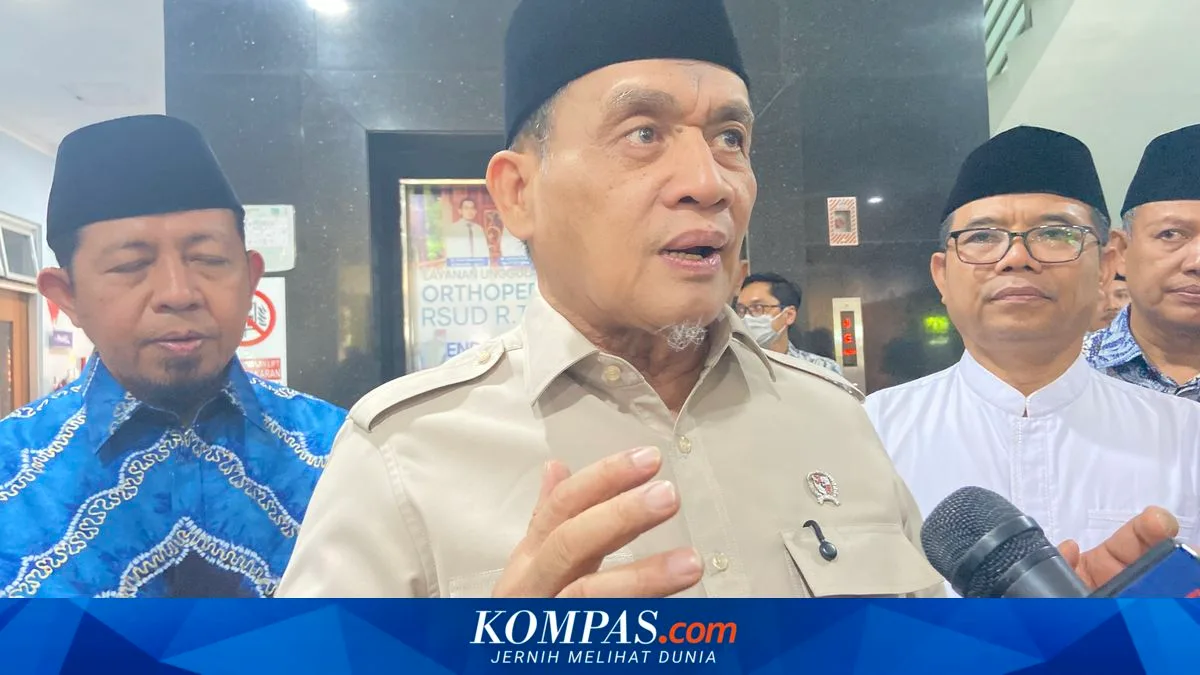
Deputy Minister of Religious Affairs Muhammad Syafi'i said the protection of santri cannot be compromised, responding to the parole release of Moch Subchi Azal Tsani, known as Bechi—convicted of sexual violence against a female santri in Jombang—who has been free since 20 August 2025. Syafi'i made the statement on Thursday (24/9/2026) in Jakarta, marking the official stance of the Ministry of Religious Affairs, which has been seen as slow in handling similar cases.
"The protection of santri is non-negotiable. Public trust in pesantren must be upheld through concrete action, not mere statements," Syafi'i said in his official statement. He stressed that pesantren should be a safe space for santri, both physically and psychologically, and that religious authority must not be abused.
The statement came amid a wave of criticism from civil society organizations, including Komnas Perempuan and the Women's Crisis Center (WCC) Jombang, which questioned the transparency of Bechi's parole process. They argued that remission and parole for repeat sexual violence offenders risk normalizing impunity in the pesantren environment.
Syafi'i explained that the Directorate General of Pesantren at the Ministry of Religious Affairs will conduct a thorough verification and evaluation of the institutional status and operation of the pesantren where the case occurred. The checks cover the pesantren's legality, the organizing legal entity, and compliance with Law No. 18 of 2019 on Pesantren and its implementing regulations.
"This check is not meant to judge the institution. We want to ensure that after such a serious case, the institutional status, governance, and santri protection system now truly meet the requirements and can guarantee the safety of santri," the Deputy Minister added.
Beyond legality, the Directorate General of Pesantren has also been asked to evaluate the violence prevention and handling system, complaint mechanisms, and santri protection governance. If discrepancies are found within the Ministry's authority, legal steps will be taken in accordance with regulations. For the parole process, the Ministry will coordinate with the relevant ministries or agencies.
The Bechi case is a test of the credibility of pesantren oversight in Indonesia. As a country with more than 26,000 pesantren and millions of santri, child protection governance in religious education still faces structural challenges: minimal independent reporting mechanisms, a strong kiai-santri hierarchy, and weak external oversight. Bechi's parole only underscores that justice for victims is often held hostage by institutional reputation interests.
For investors and market players, this issue touches on social governance, which is increasingly factored into ESG-based investment risk assessments. Education, religious philanthropy, and religious social institutions that fail to guarantee child protection may face reputational pressure, declining donor trust, and barriers to funding access. Regulators may also tighten pesantren legality requirements as a precondition for operational assistance or government facilitation.
Going forward, the public will wait to see whether the Ministry's verification truly results in administrative sanctions or merely toothless recommendations. The crucial question: will the state put santri safety above institutional reputation, or once again let similar cases sink into bureaucracy?