Customs Official Admits Regret Over Continuing to Accept Gratuities: "It Was Already Too Late"
Baca dalam 60 detik
- Sisprian Subiaksono, eks Kepala Subdirektorat Intelijen Bea Cukai, mengaku menyesal karena mengabaikan peringatan koleganya untuk menghentikan penerimaan uang tidak resmi.
- Peringatan itu muncul setelah pergantian Dirjen Bea Cukai pada pertengahan 2025, dengan kode 'di-zero-kan' yang berarti setoran ilegal harus distop.
- Kasus ini menyeret nama Budiman Bayu Prasodjo dan sejumlah pejabat lain, dengan total penerimaan mencapai miliaran rupiah dari pengusaha rokok dan importir.
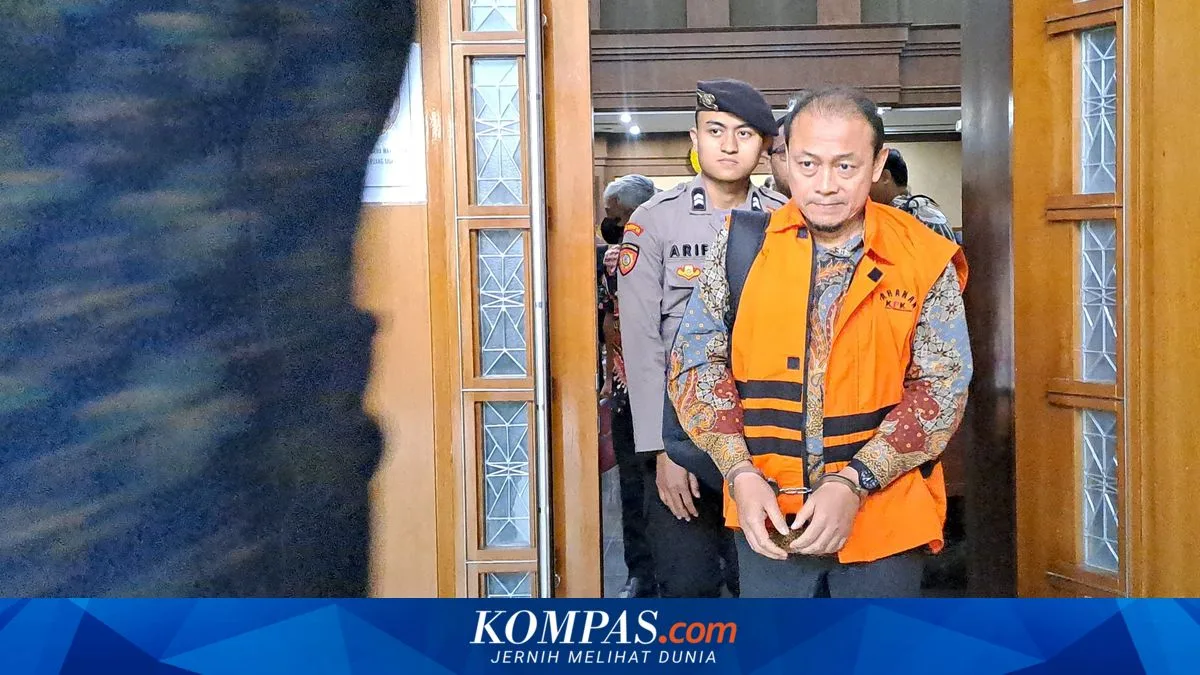
Former Head of the Intelligence Subdirectorate at the Directorate of Enforcement and Investigation of the Directorate General of Customs and Excise, Sisprian Subiaksono, admitted he regretted not stopping the practice of accepting gratuities from cigarette entrepreneurs. The regret emerged after he and his colleague, Budiman Bayu Prasodjo, were both named suspects by the Corruption Eradication Commission (KPK).
During a hearing at the Jakarta Corruption Court on Wednesday (23/9/2026), Sisprian said Budiman had once warned him to be careful. The warning was delivered after a change of the Director General of Customs and Excise in mid-2025. "This is a good moment with a new Director General, so unofficial receipts should be zeroed out," Sisprian said, imitating Budiman's words, which he interpreted as an order to stop illegal payments.
Despite the warning, Sisprian admitted he continued to receive fund flows. "Well, I just regret it, Sir. But it was already too late, it had already happened," he said before the panel of judges. The admission became one of the crucial moments in the trial that revealed how the practice of gratuities within Customs and Excise operated systematically and involved a number of officials across echelons.
The case surfaced after KPK prosecutors charged Budiman Bayu Prasodjo along with Rizal (former Director of Enforcement and Investigation at Customs and Excise) and Sisprian with accepting bribes from a number of private parties. The money was allegedly linked to their positions and contrary to their official duties. In the indictment, it was stated that the receipts came not only from cigarette entrepreneurs but also from business actors in the logistics and import sectors.
"The warning had been delivered, but it still happened. This shows that internal oversight at Customs and Excise remains weak," a fiscal policy observer said when contacted separately, responding to the trial.
For Indonesia, this case is not merely an individual scandal. Customs and Excise is the institution that manages state revenue from the customs and excise sector—which in 2025 contributed more than Rp 300 trillion. When its officials are caught in the practice of gratuities, the impact is felt on the investment climate and the trust of business actors. Importers and exporters who comply with the rules must compete with those who receive special treatment because they pay grease money.
Such practices also create market distortion. Cigarette entrepreneurs who pay to ease permits or reduce oversight will enjoy lower operational costs, while competitors who do not do the same must bear the full regulatory burden. As a result, unfair business competition and the potential for state losses from suboptimal taxes grow larger.
The KPK itself has long highlighted vulnerabilities within Customs and Excise. A number of governance improvement recommendations, such as separating oversight and service functions, as well as periodic staff rotation, have been submitted. However, their implementation is often hampered by internal resistance and weak disciplinary sanctions.
The public now awaits whether this trial will reveal a wider network. For, from Sisprian's admission, it appears that the practice of unofficial receipts is not new and involves many parties. If it stops at only one or two suspects, efforts to eradicate corruption in the customs sector will once again become a symbol without a deterrent effect.
The question is, will the Ministry of Finance and Customs and Excise carry out a thorough cleanup, or will this case simply evaporate after the judge's verdict? The public and business actors deserve certainty that this institution is truly reformed, not merely replacing the people inside it.