20 Years After An Inconvenient Truth, Al Gore Remains Confident: We Will Win
Baca dalam 60 detik
- Al Gore menegaskan bahwa sains iklim telah terbukti benar, bahkan cenderung meremehkan dampak yang terjadi.
- Industri bahan bakar fosil dinilai telah menguasai banyak pemerintah dan melemahkan proses sains iklim PBB.
- Meski suhu global terus naik, Gore optimistis adopsi energi bersih akan melampaui resistensi sebelum titik kritis terlewati.
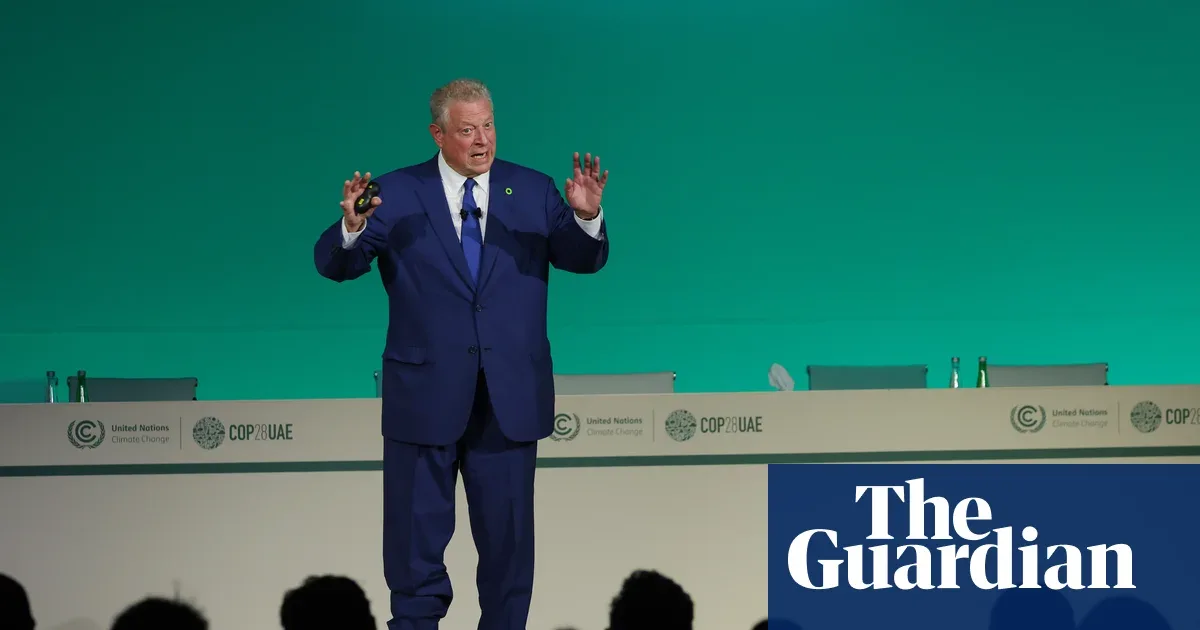
Two decades after the documentary An Inconvenient Truth shook the world, Al Gore admits he did not expect the resistance from the fossil fuel industry and its allies to be as fierce and as prolonged as it has been. Still, the former United States vice president insists he is optimistic that the world can still overcome the climate crisis.
At an event in New York marking the 20th anniversary of the film's release, Gore, now 78, said scientists had been proven right. “Unfortunately, they may even have underestimated how much damage is underway,” he said. He added that resistance to climate action had been far more stubborn than he had anticipated.
Gore accused the fossil fuel industry of having “taken control of too many governments” and even of influencing the UN's main climate science body. He pointed to a recent report revealing the involvement of Saudi oil operations in the drafting of a UN climate report. The allegation reinforces concerns that short-term economic interests still outweigh the planet's interests.
Over the past two decades, global warming has continued, with impacts growing faster and more frequent. Gore highlighted record heatwaves that hit various countries this summer and a disaster on the Nepal-Tibet border caused by a collapsing glacier. He warned that the current rate of temperature rise would exceed international thresholds and cause “total devastation”. Tipping points such as the melting of major ice sheets and the transformation of the Amazon into savanna, he said, would push the world toward catastrophe.
Even so, Gore sees the climate struggle as a continuation of the civil rights and women's rights movements. “In all the previous cases, some supporters felt despair, but they kept going because courage is not the absence of fear or despair. It is the decision to move forward despite that feeling,” he said. He believes the world is approaching a positive tipping point where public opinion will become unstoppable.
Gore acknowledged that many developing countries still struggle to secure adequate financing for renewable energy and battery projects. But he believes the mass adoption of clean energy—now often cheaper than coal and gas—will continue. “The time will come when our momentum exceeds the resistance. We are very close,” he said. “I think we will win. The only question is whether we win in time to avoid negative tipping points.”
“Renewable energy is the cheapest, fastest, and safest new source of electricity almost everywhere. Clean energy has gone from alternative to unstoppable.” — António Guterres, UN Secretary-General
Gore's remarks came ahead of a UN climate event led by António Guterres. Guterres criticized fossil fuel expansion as “defying science, economics, and common sense”. He stressed that reliance on fossil fuels raises costs, drains budgets, and makes countries vulnerable to conflict. Yet he is optimistic that countries can change course by scaling up renewables, reducing deforestation, and electrifying their economies.
For Indonesia, the statements by Gore and Guterres mirror both challenges and opportunities. As a country with abundant renewable energy potential—from solar and hydro to geothermal—Indonesia still relies on coal for most of its electricity. The energy transition is not only an environmental matter but also one of economic and geopolitical resilience. Global pressure to cut emissions could affect commodity exports and access to international financing. On the other hand, clean energy investment could become a new engine of growth if managed with good governance.
With time running out, the crucial question is no longer whether the world will shift to clean energy, but whether the transition will be fast enough to prevent irreversible damage. Gore and Guterres stress that the opportunity still exists, but the window is narrowing. Will Indonesia and other countries be able to accelerate their steps before the tipping points are crossed?