KPU Says Gibran's Education Requirement Is Valid, but Process Dispute Deemed Long Overdue
Baca dalam 60 detik
- KPU menyatakan dokumen persyaratan pendidikan Gibran Rakabuming Raka telah diverifikasi dan memenuhi ketentuan sebagai calon wakil presiden pada Pilpres 2024.
- Dalam sidang PHPU di Mahkamah Konstitusi, KPU berargumen persoalan tersebut semestinya diselesaikan sebagai sengketa proses oleh Bawaslu, bukan diuji dalam sengketa hasil.
- Dalil pemohon mengenai dugaan pelanggaran syarat pendidikan dinilai tidak cukup menjadi dasar mendiskualifikasi pasangan calon, sehingga putusan MK berpotensi memperkuat posisi hukum KPU.
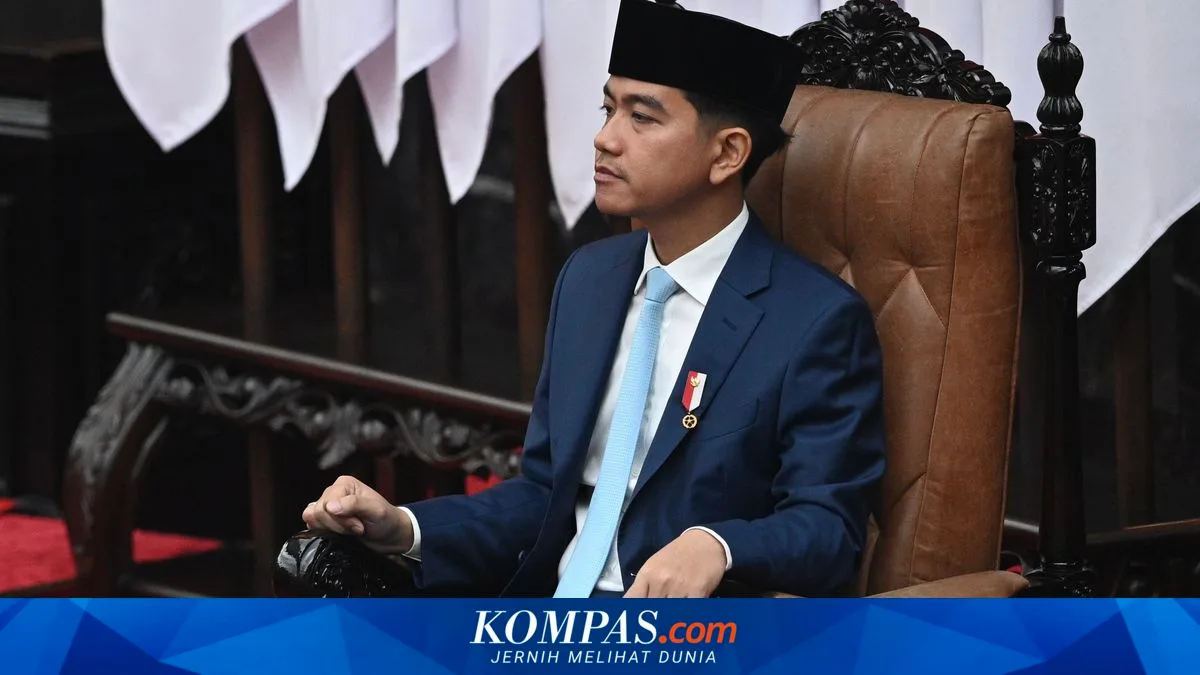
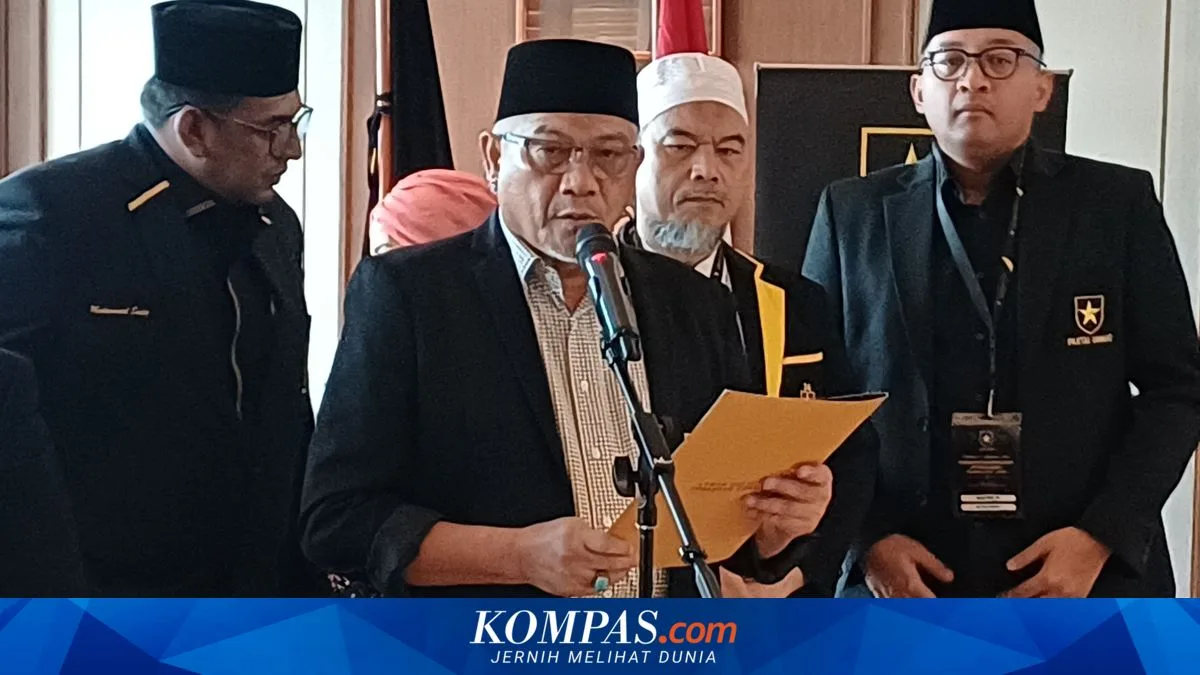
The General Elections Commission (KPU) has confirmed that Gibran Rakabuming Raka's education documents passed verification and were declared to meet the requirements as a vice-presidential candidate in the 2024 Presidential Election. The statement was made by the KPU's legal team during the hearing on the election results dispute (PHPU) Number 01/PHPU.PRES-XXIV/2026 at the Constitutional Court Building in Jakarta on Wednesday (23/9/2026) evening.
In the hearing, the KPU stressed that all requirement documents submitted by Gibran had been examined and no administrative violations were found. "The requirement documents submitted by Gibran Rakabuming Raka as a vice-presidential candidate have been verified by the Respondent and declared to meet the requirements," said the KPU's legal counsel. The verification itself was carried out on 28 October 2023, long before the voting stage took place.
The legal point underpinning the KPU's position is Minister of Education and Culture Regulation Number 29 of 2014. Article 1 paragraph (7) of the regulation states that a certificate of equivalency functions on par with a diploma for graduates of foreign educational institutions. Accordingly, Gibran's upper-secondary equivalency certificate is deemed to have the same legal standing as a domestic secondary school diploma.
The KPU also referred to Article 18 paragraph (1) of KPU Regulation Number 19 of 2023. The regulation provides an exemption for prospective candidates who studied abroad and already hold proof of university graduation, so they are no longer required to submit proof of secondary school graduation. On that basis, the KPU considers that the petitioner's argument questioning the education requirement cannot automatically be used as grounds to declare Gibran's candidacy unlawful.
Furthermore, the KPU highlighted that the issue of the vice-presidential candidate's education requirement should have been resolved through the process dispute mechanism at the Election Supervisory Body (Bawaslu). According to the KPU's legal counsel, Article 460 and Article 461 paragraph (1) of Law Number 7 of 2017 on Elections have regulated Bawaslu's authority to handle alleged violations in the candidacy process. However, during the 2024 Presidential Election, no reports, findings, or public responses were submitted to Bawaslu regarding the issue.
"The absence of reports, findings, and public responses, including from Petitioners I through XII, as a basis for Bawaslu to follow up on the alleged process dispute from the date of candidacy to voting day."
— KPU legal counsel at the PHPU hearing at the Constitutional Court
The lawsuit itself was filed by Denny Indrayana along with several parties who argued that Gibran's candidacy did not meet the education requirement. One of their petitums asks the Constitutional Court to declare Gibran disqualified. However, the KPU's argument shows that the petitioners never pursued the process dispute route at Bawaslu, so the argument is considered to lack procedural footing.
For the Indonesian public, especially market participants and professionals monitoring political stability, this case is not merely about a diploma. The Constitutional Court's ruling will set a precedent on the extent to which administrative requirements for candidacy can be tested in a results dispute, and will reaffirm the division of authority between the KPU and Bawaslu. If the Constitutional Court sides with the KPU, then efforts to disqualify a candidate based on alleged process violations may be difficult to accept in the future. Conversely, if the Constitutional Court opens the door to another interpretation, it could push for regulatory changes so that process disputes are no longer simply overlooked.
What needs to be watched next is how the Constitutional Court weighs legal certainty against procedural justice. Will the upcoming ruling reinforce the principle that any alleged candidacy violation must be resolved at Bawaslu from the outset, or will it instead open room for judicial review of candidate requirements in the realm of results disputes? The public awaits the answer.