BNPB Claims Normal Resident Activity Amid Haze as Kalimantan Flights Paralyzed
Baca dalam 60 detik
- Kepala BNPB Suharyanto melaporkan kepada Presiden Prabowo bahwa aktivitas harian masyarakat di Kalimantan Barat dan Kalimantan Tengah tetap berjalan meski asap karhutla pekat.
- Operasi modifikasi cuaca tidak dapat dilakukan maksimal di kedua provinsi, menyebabkan gangguan penerbangan komersial dan penanganan asap.
- Pemerintah memperkirakan karhutla berakhir paling cepat pertengahan Oktober 2026, sementara kualitas udara Pontianak mencapai level sangat berbahaya.
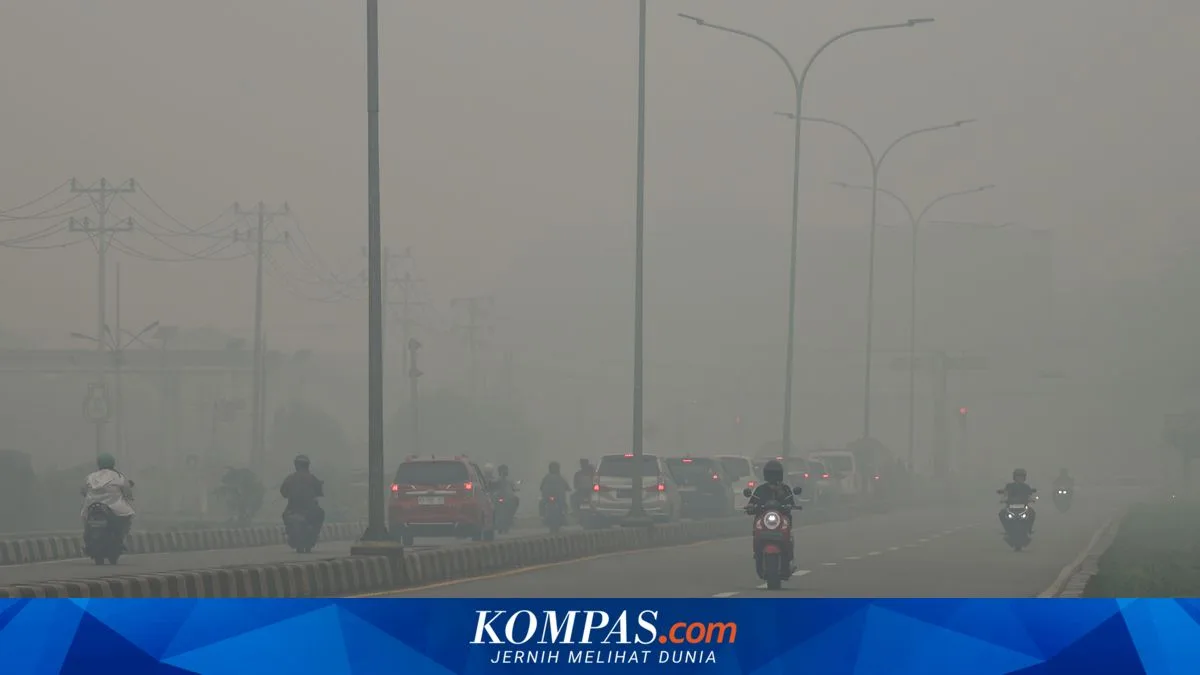
The head of the National Disaster Mitigation Agency (BNPB), Suharyanto, has assured that daily life in West Kalimantan and Central Kalimantan has not ground to a halt because of the haze from forest and land fires (karhutla) still blanketing both provinces. The report was delivered directly to President Prabowo Subianto in a limited meeting on Wednesday (23/9/2026).
According to Suharyanto, trade, land transport, and even restaurants are operating as usual. However, he acknowledged that one sector has been significantly disrupted: aviation. "It is only entry and exit, especially in Central Kalimantan and West Kalimantan, that has been slightly disrupted," he said, as quoted from the Presidential Secretariat's YouTube channel.
The thick haze persisting in the two provinces is linked to the failure of weather modification operations (OMC). Suharyanto explained that the government could not carry out OMC at maximum capacity, especially in Central Kalimantan and West Kalimantan. As a result, the dense haze has been difficult to disperse. "Even though only 209.78 hectares across Sumatra and Kalimantan are currently burning, which looks very small, because OMC, especially in Central Kalimantan and West Kalimantan, cannot be carried out at maximum capacity, the haze in Central Kalimantan and West Kalimantan is quite thick," he explained.
As a result, commercial flights and aircraft used for OMC cannot operate. This creates a vicious circle: the haze blocks firefighting efforts, while delayed firefighting prolongs the haze. Suharyanto estimated the fires would end in mid-October 2026 at the earliest and the third week of November 2026 at the latest. "We will continue to carry out activities at maximum capacity," he stressed.
"We ensure the wheels of community life are running normally. So traffic, shops, restaurants and so on are also normal, Mr. President, nothing is disrupted." — Suharyanto, Head of BNPB
Although the claim of normal resident activity has been made, air quality data shows conditions far from safe. IQAir monitoring on 23 September 2026 at 16.00 WIB placed Pontianak in the very hazardous category with an AQI index of 1,186 and a PM2.5 concentration reaching 670 micrograms per cubic meter. That figure far exceeds the daily safe threshold set by the World Health Organization (WHO), which is only 15 micrograms per cubic meter for PM2.5. This means air exposure in Pontianak at that time was equivalent to smoking dozens of cigarettes in a day.
For readers in Indonesia, especially investors and business players, this situation implies risks that need to be watched. Aviation disruptions in Kalimantan can disrupt the supply chain of flagship commodities such as coal, palm oil, and rubber. Kalimantan is a storehouse of energy and natural resources; delays in shipping goods could trigger higher logistics costs and affect prices on the domestic market. In addition, the tourism and hospitality sectors in both provinces could lose visits if the haze continues until November.
The government appears to be relying on two strategies: accelerating OMC once the weather allows, and waiting for the rainy season, which usually arrives in October-November. However, global climate uncertainty could shift that schedule. Without a technological breakthrough or regional cooperation to tackle cross-border haze, this annual fire pattern will continue to be an economic and health burden.
The public is also waiting for data transparency. Claims that life is normal need to be matched with easily accessible air quality information and concrete health mitigation measures. If the haze really ends in November, will the government draw up a permanent road map to prevent this disaster from recurring? Only time will tell, but the pressure to act can no longer be postponed.