Burnham: New EU Industrial Rules Threaten UK Economy
Baca dalam 60 detik
- PM Inggris Andy Burnham memperingatkan bahwa regulasi industri Uni Eropa yang baru berpotensi merugikan sektor manufaktur dan rantai pasok Inggris.
- Skema Made in Europe yang memberi prioritas kontrak publik dan subsidi bagi perusahaan UE dinilai dapat menimbulkan kerugian kolateral bagi Inggris, terutama industri baja.
- Inggris mendesak pengecualian dari aturan tersebut dan berupaya mempercepat KTT bilateral dengan UE yang sempat tertunda.
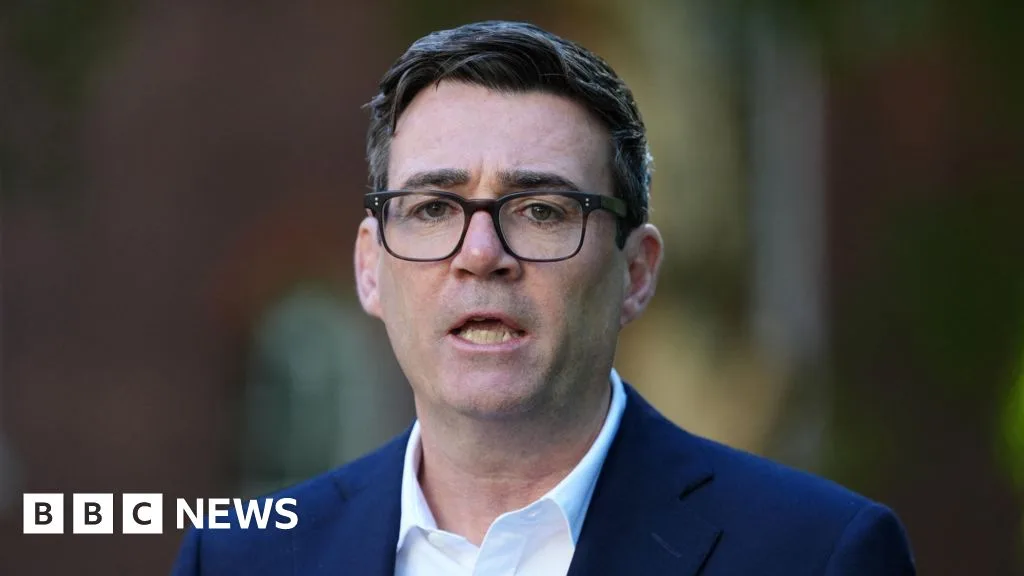
UK Prime Minister Andy Burnham voiced sharp concern over European Union plans that would give priority for public contracts and subsidies to companies within the bloc. In his meeting with European Commission President Ursula von der Leyen on the sidelines of the UN summit in New York, Burnham stressed that the policy could cause significant harm to UK industry and supply chains.
The scheme, officially called the Industrial Accelerator Act (IAA) and popularly known as Made in Europe, is still being finalized. Its aim is to protect EU industry from the onslaught of Chinese competitors by giving domestic companies privileges in government tenders and access to subsidies. However, the policy is feared to create side effects that harm trading partners such as the UK.
Burnham said he had conveyed his objections directly to von der Leyen. According to him, the UK and the EU both face challenges from third-country trade practices, particularly in the steel sector. "We have considerable support from member states for the position we have taken, because the European argument is not with us," he told reporters on a flight to the United States.
Tensions over the IAA are reported to have further delayed plans for an EU-UK summit that was supposed to be held this year. The meeting had previously been postponed after Sir Keir Starmer's resignation as prime minister last July. The delay adds uncertainty to the trade relationship between the two sides, which are trying to rebuild cooperation after Brexit.
"We do not want to be an enemy. We do not want to be a problem. Made in Europe is facing a different problem. Let us avoid collateral damage," Burnham said.
In his speech at the UN General Assembly, Burnham also highlighted the dynamics a decade after the Brexit referendum. He warned of "turbulence that arises when outside actors seek to manipulate, distort facts, and influence the UK's democratic process." According to him, the UK needs to be more vigilant and proactive in facing these challenges.
When asked whether the Labour Party would include a commitment to rejoining the EU in its next election manifesto, Burnham declined to give a definite answer. He called the issue "for another day" and stressed that his main priority now is strengthening relations with the EU and reaching agreements that can boost the UK economy. "Our focus right now is the UK-EU summit, which we hope can take place at the end of this year," he added.
Meanwhile, the new EU Ambassador to the UK, Jukka Salovaara, at the Liberal Democrats party conference in Brighton, said the door for the UK to rejoin or become an associate member remains open. "The door is open, but it very much depends on the British public to determine their level of ambition in deepening cooperation with the EU," he said. However, Burnham revealed that the EU has made clear the associate membership option is not available to the UK.
For Indonesia, the dynamics of this EU industrial policy reflect how major countries are becoming increasingly aggressive in protecting their domestic industries. Similar policies could affect Indonesian exports to Europe, especially for steel, textile, and automotive components. Indonesia needs to closely monitor these developments and strengthen trade diplomacy so as not to fall victim to the protectionist policies of developed countries. In addition, the UK's position, squeezed between the EU and its domestic interests, could serve as a lesson for Indonesia in navigating trade relations with various economic blocs.
Looking ahead, will the UK be able to convince the EU to exempt it from the discriminatory rules, or will it instead become increasingly isolated from the European single market? The answer will greatly determine the direction of the UK economy and the stability of transatlantic relations in the coming years.