Witness Reveals Order to "Zero Out" Illegal Payments at Customs, Bayu Denies
Baca dalam 60 detik
- Saksi Sisprian Subiaksono menyatakan Budiman Bayu Prasodjo meminta penerimaan tak resmi dari pengusaha rokok dihentikan setelah pergantian Dirjen Bea Cukai.
- Bayu membantah, mengklaim sejak awal ia sudah menginstruksikan penghentian dan menyebut Sisprian pernah menyampaikan soal "perintah bos".
- Perbedaan keterangan ini menjadi ujian kredibilitas dalam perkara gratifikasi DJBC yang menjerat Bayu dengan nilai lebih dari Rp5,8 miliar.
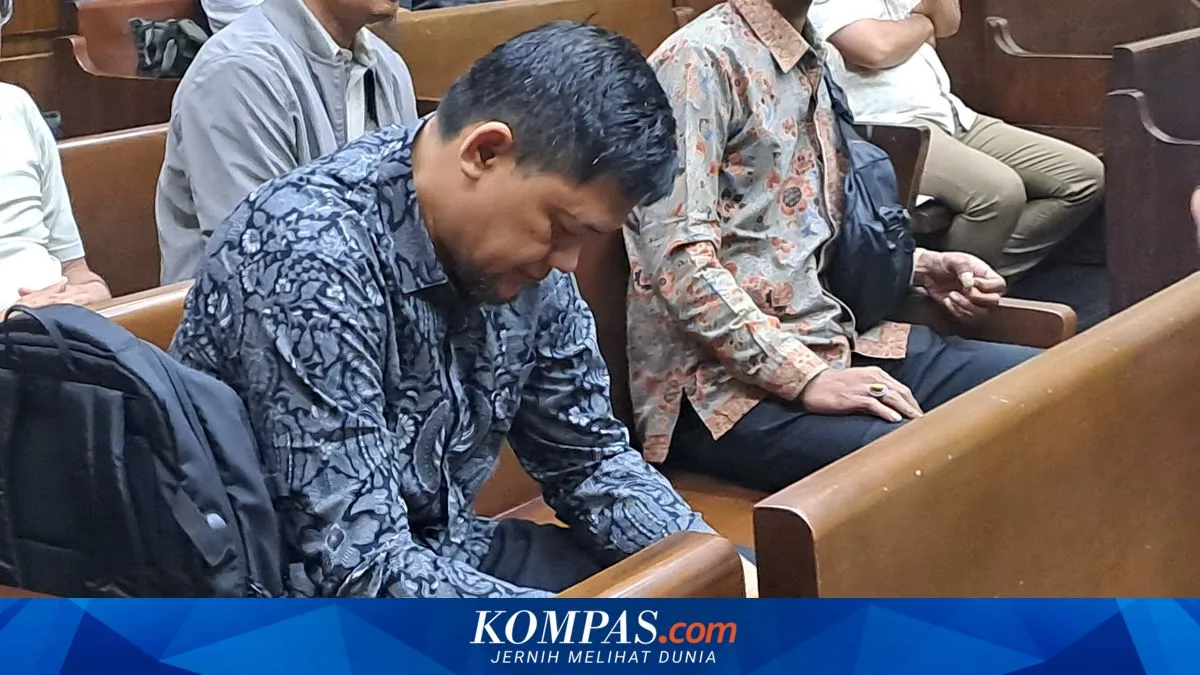
A discrepancy in testimony between two officials of the Directorate General of Customs and Excise (DJBC) emerged at a follow-up hearing in a suspected graft case at the Jakarta Corruption Court on Wednesday (23/9/2026). Sisprian Subiaksono, who serves as Head of the Intelligence Subdirectorate at DJBC's Enforcement and Investigation Directorate (P2), revealed an instruction to halt unofficial payments from cigarette entrepreneurs. The instruction, he said, came from his own subordinate, Budiman Bayu Prasodjo, who at the time served as Head of the Customs Intelligence Section.
In his testimony, Sisprian said Bayu used the term "di-zero-kan" to refer to halting the illegal payments. He linked the request to the momentum of the change of the Director General of Customs and Excise in mid-2025. "While there is a new Director General, the unofficial payments should be zeroed out," Sisprian said, imitating Bayu's words, as delivered before the panel of judges. When prosecutors asked for clarification, Sisprian stressed that "di-zero-kan" meant stopped.
However, Bayu gave an opposing account. He stressed that from the outset he had ordered his staff to stop the practice, even claiming he had conveyed it repeatedly. Bayu also denied Sisprian's statement that there was no order from leadership. According to Bayu, it was Sisprian who had once told him that the action was related to a "boss's order".
This case highlights a long-standing problem within Customs and Excise: the tug-of-war between compliance and rent-seeking practices in the field. Cigarette entrepreneurs, who have long faced high excise pressure and strict regulation, are the party named in the flow of unofficial payments. When an official instructs a halt, the question arises of how deeply the practice is entrenched and who benefits.
For businesses, particularly in the tobacco products industry, the uncertainty of unofficial costs can disrupt investment planning and competitiveness. If such practices do occur, additional burdens outside official provisions could distort the market and harm small producers who lack access or the ability to negotiate. Conversely, consistent law enforcement would create a healthier business climate.
From the standpoint of state revenue, DJBC's integrity is key. Customs and Excise manages one of the largest sources of revenue, namely tobacco excise, which contributes hundreds of trillions of rupiah each year. Disruption to governance at this institution affects not only the state coffers but also investor confidence in the certainty of the rules of the game in Indonesia.
"I already conveyed that it should be zeroed, meaning stop. It was not just once, I conveyed it several times," Bayu said, denying part of Sisprian's testimony.
The panel of judges will weigh who is more credible between the two officials. This difference in accounts is a test for prosecutors to prove the construction of the case, particularly regarding the flow of funds and the order behind it. The public is also waiting to see whether this trial reveals a wider network or stops at two individuals.
Going forward, this case could be an entry point for governance reform within Customs and Excise. If the "zero-kan" instruction truly existed, the question is why the practice still recurred. Conversely, if it was merely a denial in the courtroom, the public deserves a transparent explanation. What is clear is that the integrity of the tax and customs institution is a prerequisite for market confidence and fairness for the business world.