Jin Sasaki Destroys David Ssemujju in Six Rounds, Unifies Three Regional Belts
Baca dalam 60 detik
- Jin Sasaki merebut gelar WBO Asia Pacific setelah menghentikan David Ssemujju pada ronde keenam di Hachioji, Tokyo.
- Kemenangan ini menyatukan tiga sabuk regional di kelas welter dan menegaskan dominasi Sasaki di kancah tinju Asia.
- Dengan rekor 22-2-1, Sasaki membuka peluang menghadapi petinju peringkat atas dunia, sementara Ssemujju harus mengevaluasi strategi.
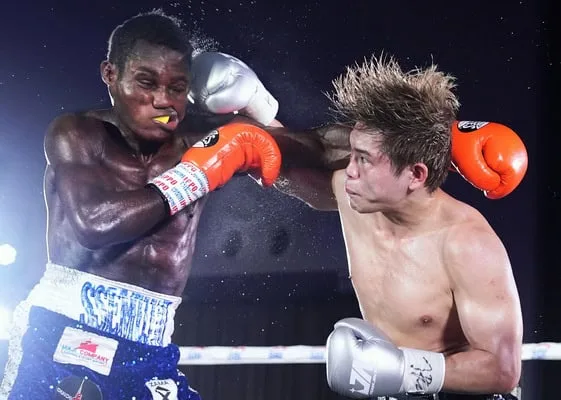
Jin Sasaki, a Japanese boxer ranked 14th by the WBC, unified three regional titles after stopping Uganda's David Ssemujju in the sixth round in Hachioji, Tokyo, on Monday (10/3). Referee Iida stopped the fight at the 58-second mark of the sixth round after Ssemujju was unable to continue following a barrage of punches.
Sasaki, who holds the OPBF and Japanese welterweight belts, added the WBO Asia Pacific title to his collection. The win extended his unbeaten record to 22-2-1 (19 KO), while avenging a tragic loss to Brian Norman Jr. last June. Since that incident, Sasaki has won three straight fights, two of them by KO.
From the start, Sasaki fought aggressively with a wild yet measured style. He dropped Ssemujju in the second round with a looping left hook, then repeated the feat in the decisive sixth round. The home crowd roared as they watched Sasaki's whirlwind performance, which gave his opponent no room to breathe.
For Ssemujju, the defeat was a heavy blow. The Japan-based boxer failed to defend his WBO Asia Pacific title and had to accept that Sasaki was simply too strong that night. Even so, Ssemujju still has the foundation to bounce back given his relatively young age and experience fighting at the regional level.
"I have worked hard for this moment. Three belts are proof that I am ready to step up to the next level," Sasaki said after the fight.
The win opens the door for Sasaki to challenge top-ranked WBC fighters. His promoter is expected to soon explore options for facing a world champion or other elite boxers. With his entertaining fighting style, Sasaki has the potential to become a new draw in international boxing.
From an Indonesian perspective, Sasaki's success in unifying regional belts serves as a mirror for the country's boxers. Indonesia has a number of talented welterweights but has yet to break through at the Asian level. Sasaki's achievement shows the importance of mature career management, promoter support, and consistency against quality opponents. If they want to compete on the regional stage, Indonesian boxers need to enter more competitions abroad and improve the quality of their sparring.
Looking ahead, the big question is: will Sasaki be able to keep all three belts while challenging for a world title? Or will he instead face a younger, hungrier opponent? What is clear is that the Asian boxing map has shifted again, and Indonesia must adapt quickly if it does not want to be left behind.