Guterres Leaves the UN with a Stark Warning: Atmospheric Polluters Must Pay
Baca dalam 60 detik
- Sekretaris Jenderal PBB António Guterres menuduh perusahaan minyak dan gas memperlakukan atmosfer seperti saluran pembuangan terbuka dan menuntut pertanggungjawaban finansial atas kerusakan iklim.
- Meningkatnya bencana akibat perubahan iklim sepanjang musim panas ini tidak diikuti komitmen baru yang signifikan dalam Sidang Umum PBB, mencerminkan melemahnya prioritas iklim di tengah krisis geopolitik dan ekonomi global.
- Transisi energi tetap berjalan terutama didorong investasi China dan negara bagian AS, namun para pemimpin dunia dinilai gagal mempercepat aksi untuk mencegah kenaikan suhu yang berbahaya.
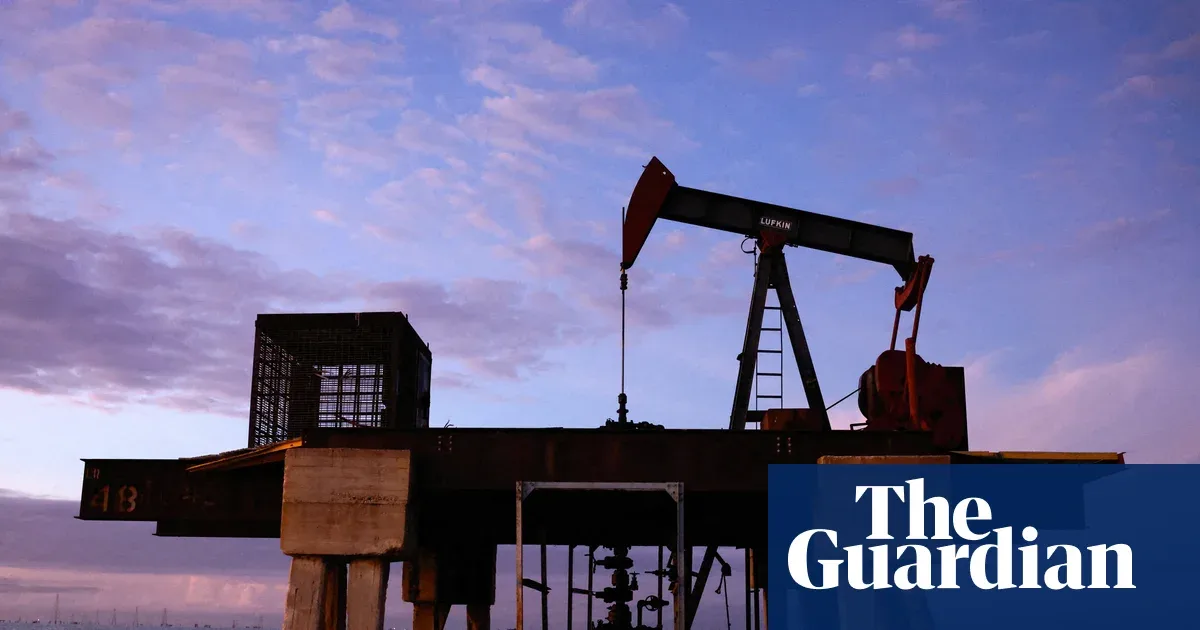
António Guterres closed his nine-year term as UN Secretary-General with a sharp warning: oil and gas companies that pollute the atmosphere the most must bear the cost of repairing the climate damage they cause. In his final address to the UN General Assembly on Tuesday (22/9), he said the atmosphere had been treated like an open sewer by the fossil fuel industry.
"Those who pollute the most – and profit the most – must do far more to repair the damage caused. Polluters must pay," Guterres said before world leaders. He also praised countries, cities, and civil society that keep demanding accountability, saying they stand on the right side of history.
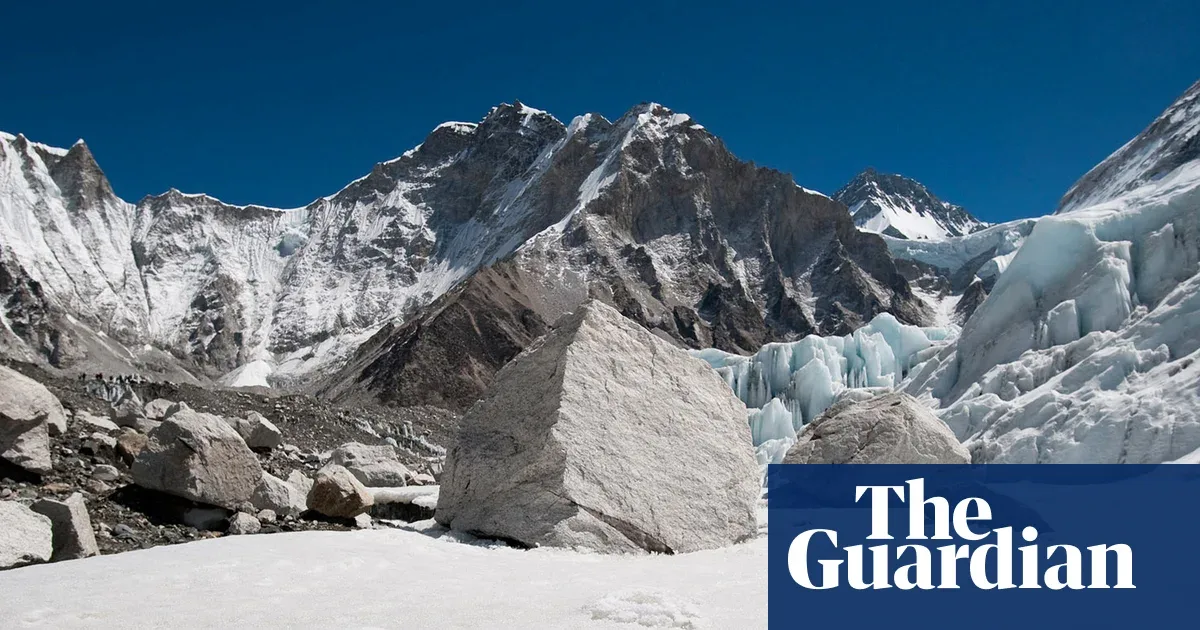
The warning came after a brutal summer: heatwaves and wildfires broke records in the United States and Europe, landslides and a glacier collapse on the Nepal-Tibet border, and the threat of an El Nino expected to be the largest in modern history. According to Guterres, the impacts of the climate crisis are now arriving faster, hitting harder, and spreading wider than many had predicted.
Guterres's departure leaves a vacuum in climate advocacy on the multilateral stage, now more absorbed by war, inflation concerns, and economic pressure. Alden Meyer, a senior climate policy expert at E3G, called Guterres the most progressive UN Secretary-General on climate in history. "He clearly laid out the stakes in the climate emergency – the dire consequences of inaction and the enormous opportunities of the solutions available," Meyer said.
Yet the spotlight on the climate crisis is fading. This year's UN General Assembly is not expected to yield a major breakthrough, and even the parallel Climate Week in New York is not anticipated to produce significant announcements. Some political and business leaders are thought to have concluded that the public is saturated with environmental issues, even though polls show public concern remains high.
Panama's Environment Minister, Juan Carlos Navarro, voiced frustration shared by many developing countries. "We are in a bad place. That is the reality, because hypocrisy has defeated real action," he said. He pointed to the war in Iran and the El Nino threat as signs that should trigger a global response, but said bold commitments from world leaders remain at zero. Panama itself is pushing for a universal declaration of the rights of nature at the UN.
"All I see around me is hypocrisy, nonsense, beautiful speeches, and zero action. Let's start telling the truth to our own citizens. We face climate change and it will have an impact, but we are not doing enough to change it." – Juan Carlos Navarro, Panama's Environment Minister
Amid the bleak political landscape, a glimmer of hope comes from the growth of renewable energy and clean investment that continues to surge, especially in China. California Governor Gavin Newsom said the economy is now built on batteries and sunshine, whose costs keep falling. "You can capture the sun, capture the wind, and you don't have to worry about the sun being blockaded in the Strait of Hormuz," he said. But Newsom acknowledged that progress is still overshadowed by the policies of US President Donald Trump, which he said seek to take the US back to the 19th century.
For Indonesia, these dynamics have direct implications. As an archipelagic nation vulnerable to sea-level rise and extreme weather, Indonesia has an interest in pushing for concrete global climate action. Weakening commitments from major countries could complicate energy transition financing and slow the transfer of clean technology. On the other hand, the growth of global renewable energy investment – especially from China – opens opportunities for Indonesia to accelerate the development of solar, wind, and batteries, provided domestic policy supports it.
With Guterres gone, the question now is: who will elevate the climate issue to the main stage when the world's attention is fragmented? Will the largest emitting countries take responsibility, or will they retreat further as climate disasters become more frequent? The world awaits the answer, and time is not on the side of the status quo.