Behind the Burnham-Trump Meeting: Economic Signals and a Diplomatic Test at UN Headquarters
Baca dalam 60 detik
- Perdana Menteri Inggris Andy Burnham bertemu Presiden AS Donald Trump di sela Sidang Umum PBB, menghasilkan kesan positif namun menyisakan ketegangan soal Chagos.
- Trump menyebut Burnham sebagai 'orang bisnis alami' yang memahami prioritas, membuka peluang kerja sama ekonomi meski ada perbedaan politik.
- Isu Chagos dan sanksi permukiman Tepi Barat menjadi ujian awal; Burnham menyebut kesepakatan Chagos sebagai warisan yang perlu diselesaikan.
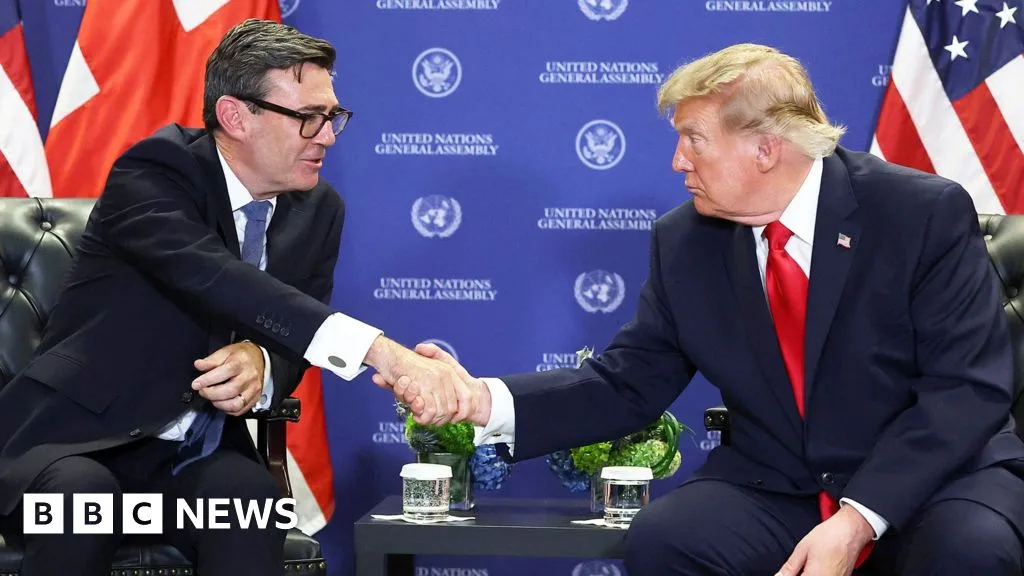
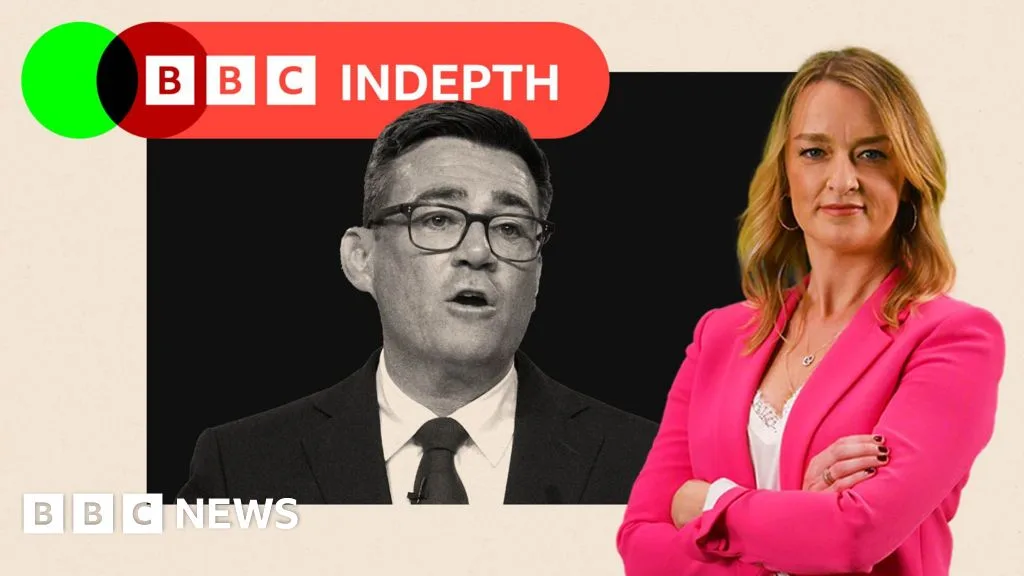
UK Prime Minister Andy Burnham and US President Donald Trump held their first bilateral meeting on the sidelines of the UN General Assembly in New York on Tuesday (23/9). The meeting, held in a windowless room in the basement of the UN headquarters, drew attention as an early test for Burnham—who has been prime minister for only a few months after previously serving as mayor—in dealing with the world's most influential leader.
During the meeting, Trump appeared warm and praised Burnham. "I think he's a natural businessman. We've discussed a lot even before this meeting. We've spoken on the phone many times. Yeah, I think so. He understands what needs to be done," Trump said in response to a question from BBC journalist Chris Mason, who was in the room. The praise contrasted with Trump's often aggressive style toward European leaders.
Even so, tension still surfaced when discussing the future of the Chagos Islands. Trump openly called Britain's decision to hand over sovereignty of Chagos to Mauritius and lease back the Diego Garcia military base "bad". He added that Prime Minister Burnham would "review" the deal, which Burnham immediately acknowledged with a brief "yep".
In a separate interview with the BBC, Burnham called the meeting "very encouraging" and said "we've built a good connection". However, when asked whether the Chagos deal would change, he firmly called it an "inherited" deal and stressed that "we have to find a resolution, and work will continue to see where that resolution takes us".
The meeting also highlighted the dynamics of diplomacy under the Trump administration, which is often unpredictable. Despite political differences, including Britain's decision announced by Foreign Secretary Ed Miliband to impose sanctions on Israeli settlements in the West Bank—which infuriated Israel—Trump did not raise it as a conflict. Likewise, the question of immigration, which had the potential to cause friction, passed without incident.
"I think he's a natural businessman. We've discussed a lot even before this meeting. We've spoken on the phone many times. Yeah, I think so. He understands what needs to be done." — Donald Trump
For Indonesia, this meeting has indirect but significant implications. As a country that also has strategic interests in the Indo-Pacific region, the US stance on sovereignty and military bases in Chagos could set a precedent for similar issues elsewhere. In addition, stable trade and investment relations between the US and the UK will affect the global economic climate, including capital flows to developing countries. The remaining tensions—especially over Chagos—also serve as a reminder that even traditional alliances can be tested by each side's national interests.
Looking ahead, the big question is how long this warm relationship can last. Trump is known for quickly changing his stance, and Burnham may face more points of friction, especially if Britain continues policies that run counter to Washington. Will Burnham be able to use this moment to strengthen Britain's position on the global stage, or will he instead get caught in the whirlpool of Trump-style transactional diplomacy? Only time will tell, but one thing is certain: the meeting in the UN basement was not mere pleasantries, but an initial step that will determine the direction of the two countries' relationship.