Iran Challenges Trump at UN, Lays Out Conditions for Normalizing Strait of Hormuz
Baca dalam 60 detik
- Militer Iran menyebut ancaman Trump sebagai cerminan kebuntuan strategis AS, bukan sinyal kekuatan.
- Teheran mengajukan prasyarat konkret untuk mengakhiri perang dan membuka kembali Selat Hormuz.
- Lalu lintas kapal di Hormuz masih 38% dari baseline praperang, menekan pasar energi global.
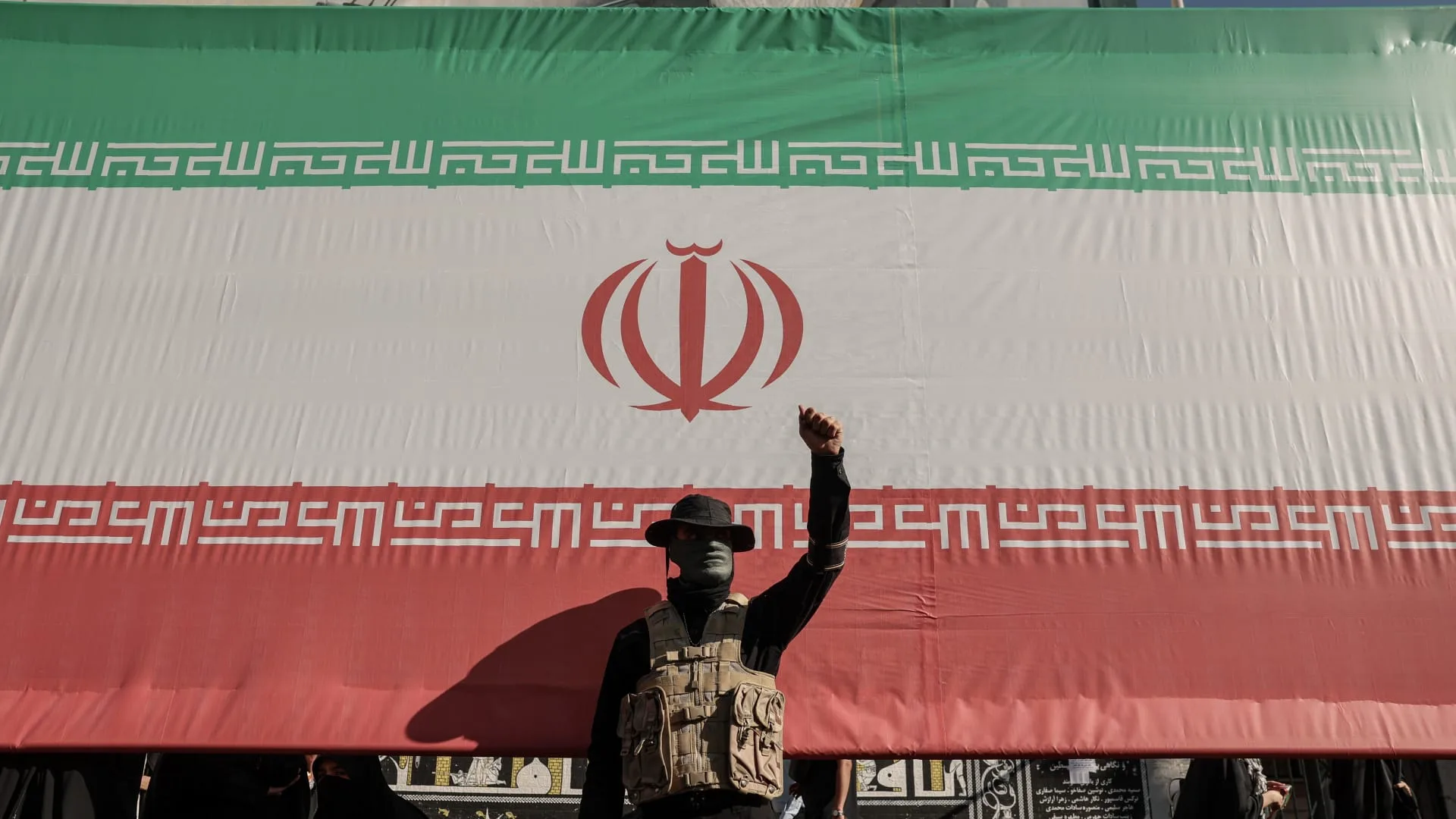
Iran’s military on Wednesday (9/23/2026) responded to U.S. President Donald Trump’s statement threatening to “annihilate” Tehran as evidence of Washington’s “strategic deadlock,” while asserting its readiness to launch a more devastating strike in a conflict that has lasted nearly seven months.
The sharp statement was issued through the semi-official Mehr news agency, citing Iran’s Armed Forces General Staff. They accused Trump of using the UN General Assembly podium to justify aggression against the Islamic Republic. “Such remarks only demonstrate America’s strategic dead end in its aggression against the Iranian nation,” the statement said, adding that repeating baseless claims amid U.S. military fatigue is not a sign of strength.
Tensions peaked after Trump said in his UNGA speech on Tuesday that he faced a choice between reaching a deal with Iran or expanding military operations. He even claimed to have held a three-hour meeting with an Iranian envoy on the sidelines of the session, which he described as going “very well.” However, he also called on all countries to impose total economic isolation on Tehran, and predicted a new deal would be reached after the midterm elections in November.
On the other hand, Iranian President Masoud Pezeshkian was scheduled to address the UNGA the same day. According to regional media reports, Tehran is negotiating through Qatari mediators in New York and has set conditions for ending the war on all fronts. Iranian Foreign Ministry spokesperson Esmaeil Baghaei detailed the demands: an end to what Tehran calls U.S. “acts of aggression,” the lifting of the naval blockade and economic war, and the release of frozen Iranian assets.
A senior Iranian official said Tehran could reopen the Strait of Hormuz within one week if the U.S. reduces military pressure and lifts the blockade of Iranian ports. However, the reality on the ground remains far from normal. According to shipping research firm Kpler, the strategic shipping lane is now “increasingly becoming a shuttle corridor controlled by Saudi Arabia,” after Houthi attacks earlier this month halted the flow of the East-West pipeline to the port of Yanbu on the Red Sea.
The interim peace deal between Washington and Tehran collapsed in July, only weeks after it was signed, and there is still no sign of when the next round of talks will be held. The situation prolongs uncertainty over global energy supplies, with oil prices mixed on Wednesday.
Indonesian Context
For Indonesia, tensions in the Strait of Hormuz are not merely distant geopolitical news. As a crude oil importer, Indonesia is highly vulnerable to Brent price spikes approaching US$100 per barrel. Every US$10-per-barrel increase could add to the energy subsidy burden and widen the budget deficit. In addition, about 30% of Indonesia’s crude oil needs are supplied from the Middle East, so logistics disruptions in Hormuz could force Pertamina to seek alternative sources at higher costs.
On the other hand, Indonesia’s position as a non-aligned country could serve as a diplomatic bridge. Jakarta has an opportunity to promote peaceful dialogue through multilateral forums such as the OIC or the UN, while protecting national economic interests. However, without normalization in Hormuz, inflation pressure from energy prices could erode people’s purchasing power and hamper economic growth targets.
“We are ready to reopen Hormuz within a week, provided that U.S. military pressure is stopped and the port blockade is lifted,” a senior Iranian official said, as quoted by regional media.
The question now is: can the U.S. and Iran turn confrontational rhetoric into a real agreement before the November midterm elections, or will military escalation instead worsen the global energy crisis? The world, including Indonesia, is waiting for concrete steps from both sides.