Curaçao Regulator Data Leak Exposes Offshore Online Casino Business, a Warning Sign for the Global Market
Baca dalam 60 detik
- Ribuan dokumen rahasia milik otoritas perjudian Curaçao bocor, mengungkap pemilik dan aliran dana sejumlah kasino online terbesar dunia.
- Kebocoran ini mempertanyakan efektivitas pengawasan yurisdiksi offshore yang selama ini menjadi celah bagi operator untuk menghindari regulasi ketat.
- Bagi Indonesia, fenomena ini menegaskan perlunya penguatan literasi digital dan penegakan hukum terhadap akses judi online lintas negara.
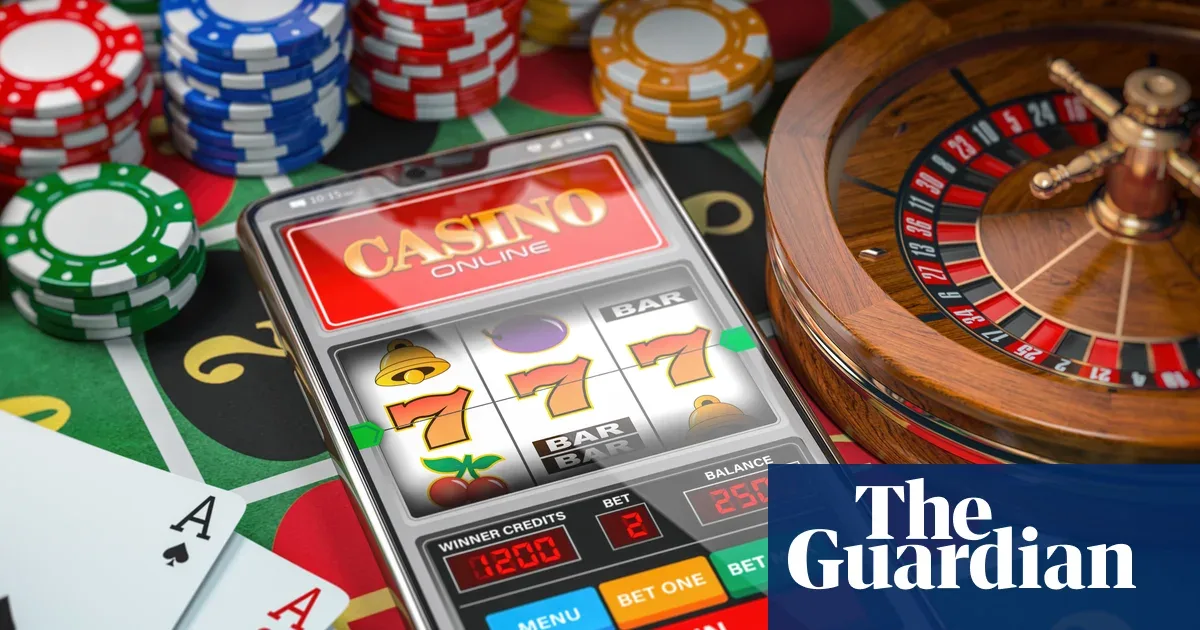
A large-scale data leak from the Curaçao Gaming Authority (CGA) has pulled back the curtain on the operations of thousands of offshore online casinos, raising serious questions about oversight in a jurisdiction known for its lax rules. The leaked documents, dubbed "Casino Secrets", contain tens of thousands of previously confidential internal files, including the identities of owners, sources of wealth, and ownership structures of some of the world's largest gambling platforms.
The leak was first exposed by Berlin-based hacker Lilith Wittmann, who claims to have accessed the CGA database without authorization. The CGA itself has confirmed "unauthorized access" to its portal. The data that circulated includes information on Stake.com—the crypto casino that once sponsored football club Everton—as well as the Santeda network previously exposed in an investigation by the Guardian and Investigate Europe last April.
Notably, several of the companies whose data leaked are said to be owned or operated by British nationals. BC.Game, a sponsor of Leicester City FC, has previously been accused of serving UK customers illegally. Meanwhile, Stake.com, through its Curaçao-registered company Medium Rare NV, listed Mladen Vučković, a Serbian national, as owner with assets of more than $1 billion in 2024. Regulators had questioned that ownership after finding millions of dollars flowing to companies linked to Stake founders Ed Craven and Bijan Tehrani, who did not appear in the license application. Nevertheless, the CGA still issued the license—an example that, according to investigative journalism platform Follow the Money, shows the regulator's failure to act on red flags.
Earlier investigations found that Santeda's casinos appeared to target vulnerable gamblers in the UK who were trying to quit, despite not holding a license from the Gambling Commission—a breach of the law. Digital traces also point to Upgaming, a company owned and operated by a group of Georgian entrepreneurs. In documents submitted to the CGA, Santeda listed Onise Chimakhidze as owner, but also included an Upgaming email address as a contact, and several file names referred to Upgaming. Upgaming's lawyers deny their client operates Santeda, but the leak raises new questions.
"Our client cannot speculate as to why a third party would list their contact details without further information," Upgaming's lawyers said, adding that the business relationship with Santeda had ended.
The leak also highlights how offshore jurisdictions like Curaçao become havens for operators seeking to avoid strict oversight. With more than 8,000 registered casinos, the former Dutch colony has turned into a profitable but often controversial global gambling hub. Regulators in developed countries such as the UK have long worried about this loophole, but cross-jurisdictional enforcement remains a challenge.
For Indonesia, the leak is a stark reminder of the dangers of online gambling that spreads without borders. Although online gambling is strictly banned in the country, access to offshore platforms remains widespread through VPNs and cryptocurrency. The Indonesian government has repeatedly blocked gambling sites, yet the practice keeps multiplying. The Curaçao phenomenon shows that as long as weak jurisdictions exist, rogue operators will keep looking for loopholes. Indonesian authorities need to strengthen international cooperation and improve public digital literacy so people do not fall into the trap of online gambling.
Going forward, pressure on Curaçao to reform its licensing regime is expected to increase. The UK Gambling Commission said it could not comment on the leak, but stressed its commitment to eradicating illegal activity. Meanwhile, the CGA argues it is dealing with "complex forensic issues" and promises to provide updates. The question is whether this leak will become a turning point for global oversight, or merely a small ripple quickly swallowed by a business worth billions of dollars?