Smithsonian Head Lonnie Bunch Fights Back: History Must Not Be Erased for Political Comfort
Baca dalam 60 detik
- Lonnie Bunch, Sekretaris Smithsonian yang akan lengser, menolak tuduhan bahwa museumnya tidak patriotik dan menegaskan kurasi sejarah harus bebas dari tekanan politik.
- Pernyataannya muncul di tengah serangan pemerintahan Trump yang menuduh Smithsonian sebagai sarang aktivis radikal dan memerintahkan peninjauan menyeluruh terhadap konten museum menjelang HUT ke-250 AS.
- Dana abadi senilai minimal US$10 juta diluncurkan untuk mempertahankan independensi museum, sementara publik menantikan siapa pengganti Bunch dan arah baru institusi tersebut.
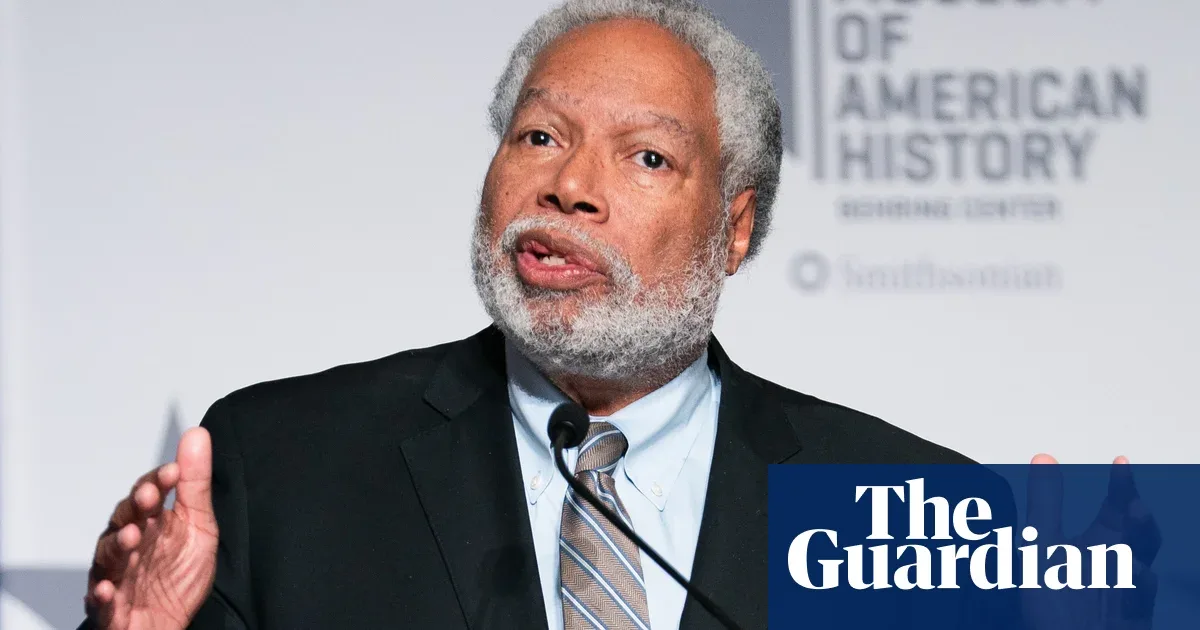
Lonnie Bunch, the Smithsonian Institution Secretary who is ending his tenure, received a standing ovation from hundreds of attendees after declaring that presenting history in full—including its dark chapters—is a form of patriotism, not betrayal. The speech was delivered on Friday at the National Museum of African American History and Culture (NMAAHC) in Washington, where he served as founding director.
Bunch's remarks were a direct rebuttal to accusations by Donald Trump's administration, which called Smithsonian leaders radical activists and ordered a sweeping review of museum content ahead of the United States' 250th anniversary. The White House also accused cultural institutions of trying to "rewrite the nation's history" and ordered warning signs placed outside the nearby National Museum of American History.
Bunch, who has served at the Smithsonian since 1978 and became its first Black secretary in 2019, stressed that museum curation must rest on independent academic scholarship, not political pressure. "You cannot understand the greatness of a country without understanding the whole country. You cannot understand it all without illuminating the dark corners. Curation means let's shine a light. Let's reveal the truth," he said.
The attack on the Smithsonian is not the first. Last year, Trump wrote on Truth Social that the institution was "out of control" for focusing too much on the country's flaws, slavery, and the backwardness of the oppressed, without highlighting its achievements or future. But Bunch instead stressed that slavery is the foundation of understanding America. "When people say you talk too much about slavery or they are ashamed of slavery, I hope I am as strong as my enslaved ancestors. I hope I can believe in America the way they believed," he said.
He added that remembering the struggles of previous generations is not an effort to hurt the country, but to unearth the essence of the resilience that built the nation. "It's about how those people believed, how they laid the foundation we stand on. Because it all started there," he said. Bunch also called the museum a "beacon of possibility" and a "place of resistance", stressing that the building cannot be erased as long as America exists.
"The idea that this museum or any part of the Smithsonian is run by people who do not love America is deeply wrong. What you see in this building is great love. Great respect." — Lonnie Bunch
The event was also attended by Shonda Rhimes, a television producer and museum board member, who pledged US$1 million to a new legacy fund for Bunch. The fund has received an initial US$3.5 million from an anonymous donor and is targeting at least US$10 million. The museum's executive director, Shanita Brackett, said the fund would "support this museum uniquely and exclusively" and ensure that the values of inclusion, public engagement, and independent scholarship remain protected from intervention.
For Indonesia, the dynamics at the Smithsonian highlight the importance of protecting public spaces from short-term political pressure. When knowledge institutions—museums, libraries, archives—are forced to adjust their narratives to the interests of those in power, the quality of a nation's democracy and historical literacy is at stake. The American experience shows that efforts to control the narrative of the past often instead trigger public resistance and strengthen solidarity among academics and philanthropists.
After Bunch's resignation announcement, Democratic Senator Alex Padilla praised him for daring to "speak truth to power", while the Heritage Foundation, a conservative think tank, pledged to ensure that Bunch's successor does not turn the Smithsonian into a "culture war battlefield". The question now: will the Smithsonian's independence remain intact under new leadership, or will it be further eroded by political tug-of-war ahead of America's 250th anniversary?