Convicted Killer in the Philippines Plotted Drone Escape, Foiled by Test-Flight Footage
Baca dalam 60 detik
- Park Wang-yeol, terpidana 60 tahun kasus pembunuhan tiga warga Korea Selatan, diduga menggelontorkan sekitar US$74.000 untuk merancang pelarian dengan drone dari penjara di Filipina.
- Upaya tersebut terendus setelah pihak berwenang menemukan rekaman uji coba drone yang direkam sebelum aksi dilakukan.
- Insiden ini menyoroti celah keamanan di lembaga pemasyarakatan Filipina dan potensi penyalahgunaan teknologi drone untuk tujuan kriminal di kawasan Asia Tenggara.
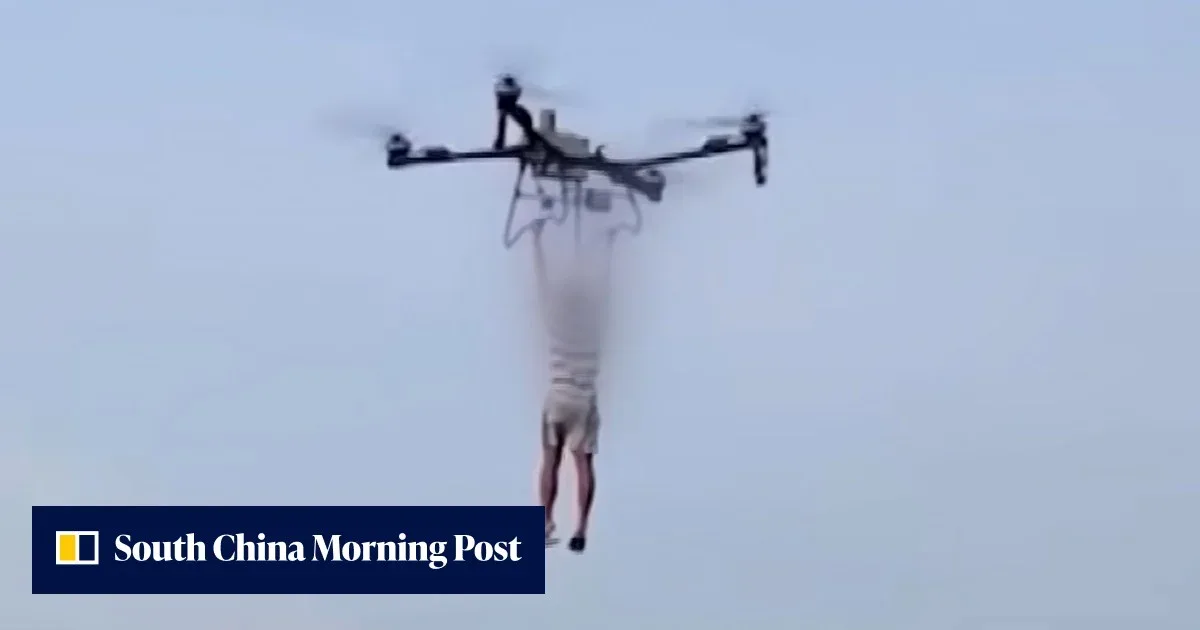
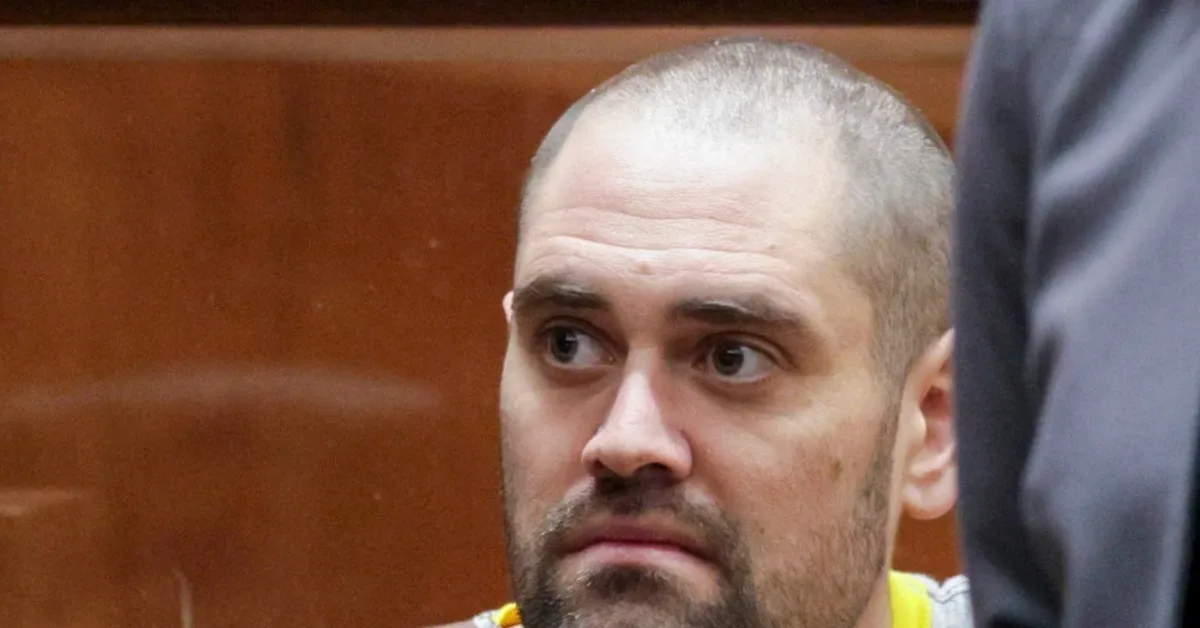
A South Korean inmate's plan to escape from a prison in the Philippines using a drone was foiled after authorities found test-flight footage recorded before the attempt. Park Wang-yeol, 47, nicknamed the “sugarcane field killer,” is said to have spent about US$74,000, or around Rp1.1 billion, to prepare the escape.
Park has been serving a 60-year sentence since 2022 for killing three South Korean nationals in a sugarcane field outside Bacolod City in 2016. The case drew public attention and made him known as one of the high-risk inmates in the Philippines. The escape attempt was not his first. He had previously escaped twice while being transported from court hearings, in 2017 and 2019.
According to circulating reports, the drone Park designed was not merely an escape aid but part of a carefully planned scheme. The test-flight footage found by authorities was key to uncovering the plan. So far, there has been no official statement from Philippine prison authorities on the drone's technical details or how the footage came to light.
The incident has raised questions about the effectiveness of security at Philippine correctional facilities, especially for inmates with substantial financial resources. Drones are indeed increasingly accessible and their prices keep falling, but using them to aid a prison escape is a relatively new modus operandi in Southeast Asia. Several security analysts say the case could set a bad precedent if it is not met with tighter regulation and oversight.
“This is not just a procedural failure, but a signal that consumer technology can now be turned into a criminal aid that is hard to detect,” said a regional security observer who declined to be named.
For Indonesia, this development is an early warning. A number of prisons in the country are still grappling with overcrowding and limited personnel. Although no similar reports have emerged, the potential for drone smuggling or the use of technology to help inmates escape deserves attention. Moreover, several cases of smuggling drugs and mobile phones into prisons have shown that security gaps can be exploited creatively.
The Indonesian government, through the Ministry of Law and Human Rights, has in fact implemented layered security systems, including CCTV and metal detectors. However, drone detection remains a challenge in itself. On the other hand, the Philippines as a neighboring country faces pressure to improve its correctional system, especially after a series of escape incidents involving foreign nationals.
Park's case also highlights an international dimension. As a South Korean national, he is a consular concern for both countries. South Korea has an interest in ensuring its citizen serves his sentence safely, while the Philippines must maintain the credibility of its legal system. If not handled seriously, incidents like this could affect bilateral cooperation in law enforcement.
Going forward, the question is not only how to prevent drone-assisted escapes, but also how countries in Southeast Asia, including Indonesia, update their security protocols to anticipate evolving technology-based threats. Without concrete steps, the same gaps could be exploited by others in more sophisticated ways.