Nick Reiner Entangled in $1.6 Million Trust Fund Dispute: Needs Bail Money, But Trustees Refuse
Baca dalam 60 detik
- Nick Reiner, 33 tahun, mendekam di Twin Towers Correctional Facility sejak Desember 2025 dan menuntut akses ke trust keluarga senilai sekitar $1,6 juta.
- Kuasa hukumnya menilai klausul distribusi usia 30 tahun seharusnya sudah mencairkan setidaknya $558.000 pada September 2023, sebelum kedua orang tuanya meninggal.
- Jaksa Distrik Los Angeles memastikan tidak menuntut hukuman mati, tetapi status hukum trust dan pembunuhan orang tua tetap menjadi simpul konflik yang belum terurai.
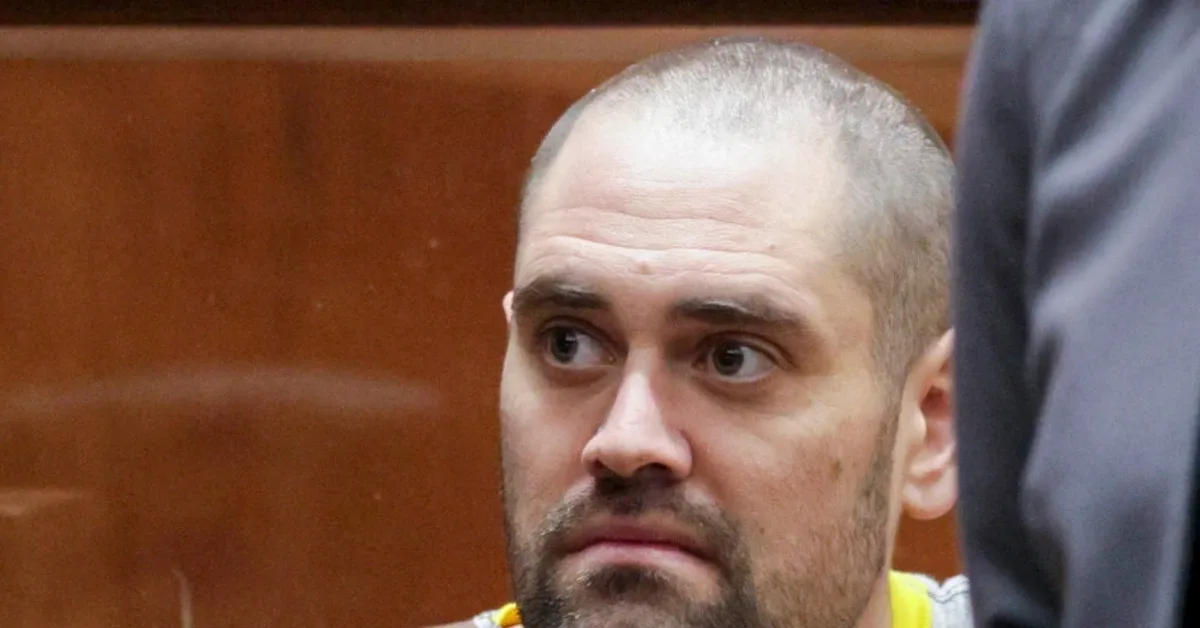
Nick Reiner, the 33-year-old screenwriter currently held at the Twin Towers Correctional Facility in Los Angeles, is fighting for his right to a family trust fund worth approximately $1.6 million. He has been detained since December 2025 on charges of murdering his parents, filmmakers Rob Reiner and Michele Singer Reiner. According to court documents obtained by PEOPLE, his legal team states that Nick has not received a single penny from the trust, not even to purchase basic necessities from the prison commissary.
The trust in question, the Nick Reiner Children’s Trust, was established on December 2, 1993, by Rob and Michele when Nick was an infant. The document designates Nick as the sole beneficiary. Attorneys Anita P. Wu and Geoffrey A. assert that their client has been forced to use the services of the Los Angeles County Public Defender at public expense, not because he cannot afford his own lawyer, but because the trust administrators (trustees) refuse to release funds that legally belong to Nick.
“Nick cannot access money that is rightfully his—to re-hire an attorney, or even to purchase basic necessities from the prison commissary,” they wrote in the filing, adding that Nick cannot even withdraw $5 from his trust.
This dispute hinges on the “Age-30 Distribution” clause within the trust. According to the attorneys’ calculations, at least $558,000 should have been paid to Nick on September 14, 2023, when he turned 30. At that time, both of his parents were alive, and there were no criminal charges against Nick. The trustees argue that they are still entitled to withhold funds based on the Slayer Statute—a rule that revokes a person’s right to property acquired due to the death of another. However, Nick’s legal counsel refutes this, stating that the rule only applies to property obtained as a result of death, not to funds that were already Nick’s right years prior.
This case has garnered significant public attention in the United States, not only because it involves the family of legendary filmmakers but also because it tests the boundaries between inheritance rights and criminal legal proceedings. Rob and Michele Reiner were known as death penalty abolitionists. Los Angeles District Attorney Nathan Hochman revealed that his office had spoken with Jake and Romy Reiner, Nick’s siblings, before deciding not to pursue the death penalty. “We heard their views and considered them in the final decision,” Hochman told NBC News. That decision means the maximum sentence Nick faces is life imprisonment without the possibility of parole.
For Indonesian readers, this case serves as a reflection on how a trust system—which is not yet common in inheritance law practices in Indonesia—can lead to impasses when a beneficiary faces serious criminal charges. In Indonesia, similar disputes are typically resolved through Islamic inheritance mechanisms, the Civil Code, or family agreements, without the broad discretionary powers of trustees. This difference highlights the importance of clear clauses and the appointment of credible administrators from the outset, to prevent beneficiaries’ rights from being held hostage by prolonged legal conflicts.
Moving forward, the court will determine whether Nick’s claim to the trust funds can be separated from the murder charges against him. If the judge rules in Nick’s favor, this precedent could reinforce that the principle of presumption of innocence also applies to a person’s economic rights. However, if the trustees prevail, the public will witness a lengthy chapter on the clash between restorative justice and the interests of a fractured family.