Prabowo Locks In Three Priorities: Food, Fuel, and Ending Extreme Poverty
Baca dalam 60 detik
- Presiden Prabowo Subianto menempatkan ketahanan pangan dan energi sebagai fondasi utama pemerintahan, disusul percepatan pengentasan kemiskinan ekstrem dan stunting.
- Pemerintah menggenjot biodiesel B50 berbasis sawit, energi surya skala besar, serta hilirisasi sebagai motor devisa dan lapangan kerja baru.
- Koperasi Desa Merah Putih dan Kampung Nelayan Merah Putih dirancang memangkas biaya logistik sekaligus menjamin pasar hasil tangkapan nelayan.
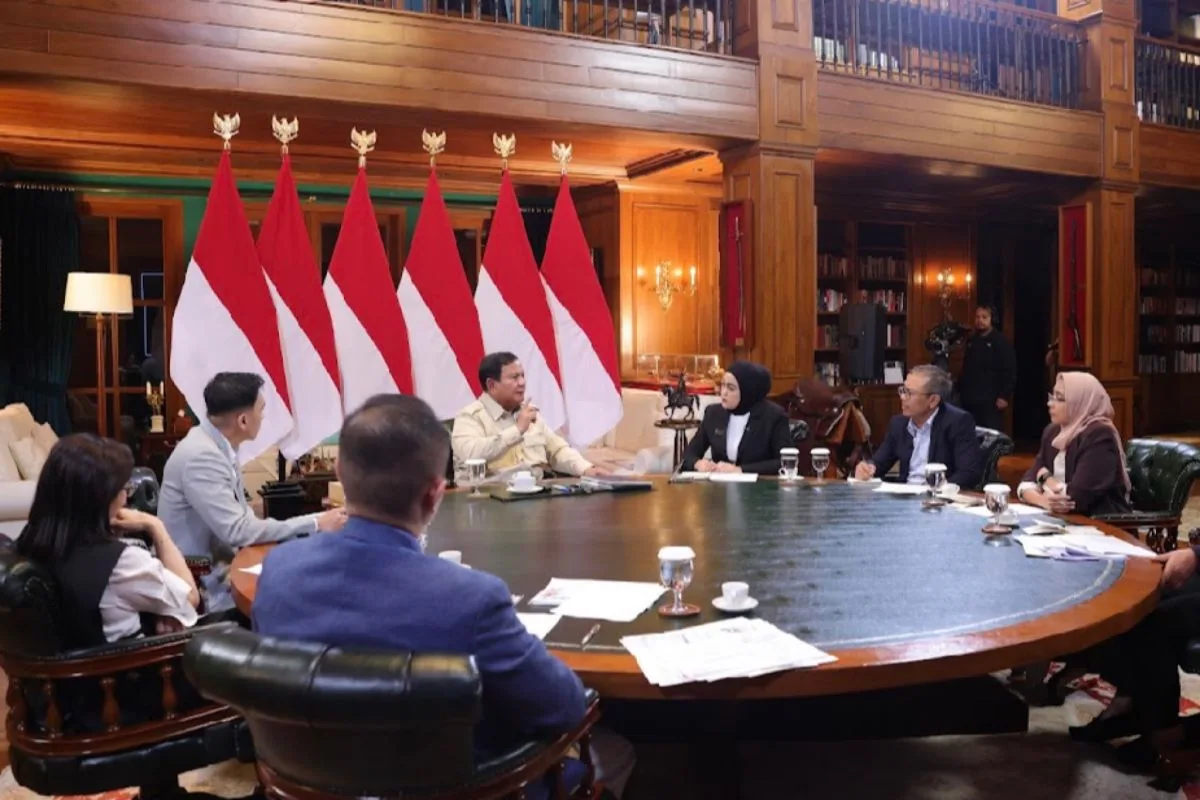
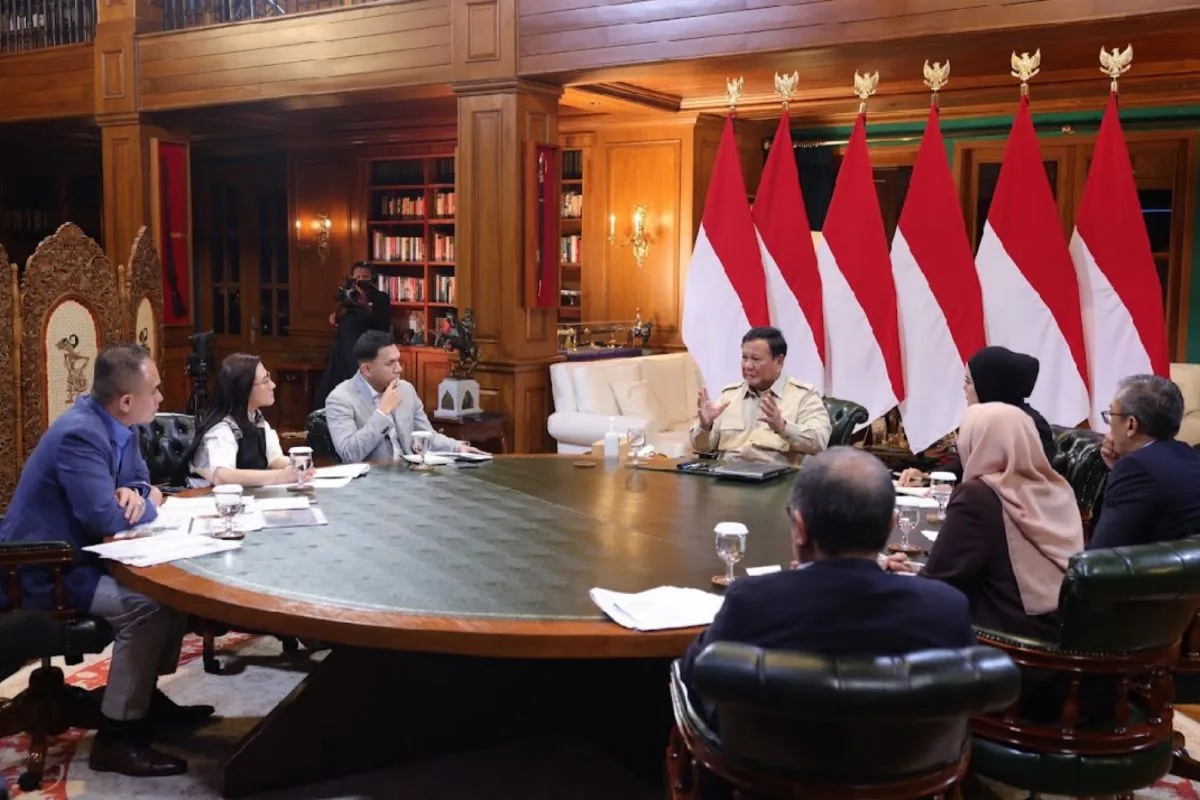
President Prabowo Subianto stressed that the foundation of Indonesia's self-reliance rests on three non-negotiable matters: food sufficiency, a secure supply of fuel oil, and freeing the people from extreme poverty. The emphasis was delivered in the "Presiden Prabowo Menjawab" program released by the Government Communication Agency on Wednesday, and serves as the cabinet's priority road map for the period ahead.
The order of priorities Prabowo cited is not without reason. Food and energy are the two variables most vulnerable to global shocks — from commodity price fluctuations and supply chain disruptions to geopolitical tensions that can at any time strain the state budget. "The most fundamental thing for me is that I must secure food. After that we must secure fuel," Prabowo said, underscoring that those two sectors are prerequisites before other programs can run.
In the energy sector, the government is taking a relatively bold path by pushing 50 percent blended biodiesel, or B50. The policy targets two goals at once: curbing diesel imports that have long weighed on the trade balance, and absorbing domestic palm oil production. However, the transition to B50 demands infrastructure readiness, fuel quality standards, and automotive industry readiness — three things that are often critical points in implementing commodity-based energy policy.
In parallel, Prabowo highlighted what he considers the most urgent issues: child hunger, stunting, absolute poverty, and extreme poverty. "For me, what we must immediately address is child hunger, stunting and absolute poverty, extreme poverty," he said. Tackling these four issues cannot be separated from the quality of state spending — which is why the government is pursuing budget efficiency and cracking down on leaks in state finances so that resources can be redirected to productive sectors.
"So they won't worry about where their offtaker is. The calculation is very clear, their lives will improve." — President Prabowo Subianto, on the integration of Kampung Nelayan and Koperasi Desa Merah Putih.
Downstreaming is another keyword that continues to be pushed. The government believes processing natural resources domestically will raise added value, strengthen national industry, and open jobs. A number of downstreaming projects are said to have started, though their effectiveness depends heavily on workforce readiness, electricity supply, and regulatory certainty for investors.
At the grassroots level, the government is relying on two programs: Koperasi Desa Merah Putih and Kampung Nelayan Merah Putih. Both are designed to strengthen supply chains down to villages, cut logistics costs, and raise residents' incomes. For fishermen, the integration of the two programs is expected to provide market certainty — a classic problem that has kept catch prices unstable and left fishermen dependent on middlemen.
Education is also part of the foundation-strengthening framework. The government is preparing interventions in the form of learning digitalization, school renovations, and improving teacher competence. The step is considered important because the quality of human resources determines how far downstreaming and industrialization can be sustained. "We want everything to be faster, but insya Allah we will succeed in reaching our targets," Prabowo said.
Indonesia Context
For market players and professionals in Indonesia, this statement signals the direction of fiscal and industrial policy over the next few years. The palm oil, renewable energy, village logistics, and raw material processing sectors could potentially receive flows of state spending as well as incentives. Conversely, sectors that have relied on imports of fuel and raw materials face pressure to adapt.
What needs to be watched is that the success of this agenda is determined not only by the size of the budget, but by the speed of execution on the ground. Aggressive budget efficiency could clash with the spending needs of new programs, while the B50 and downstreaming targets demand tidy cross-ministerial coordination. The remaining question: will this priority framework be translated into measurable targets and clear deadlines, or will it remain a political narrative that is hard to evaluate?