Turkey Intensifies Targeting of LGBTQ+ Activists, EU and UN Speak Out
Baca dalam 60 detik
- Pemerintah Turki menggelar operasi besar-besaran terhadap organisasi dan individu LGBTQ+ di 15 provinsi, memicu kecaman internasional.
- Kampanye ini dibungkus dengan narasi 'keluarga aman' dan 'dekade keluarga', yang dikritik sebagai kedok kriminalisasi tanpa dasar hukum.
- Tekanan terhadap kebebasan sipil di Turki berpotensi memengaruhi iklim investasi dan hubungan Ankara dengan Uni Eropa.
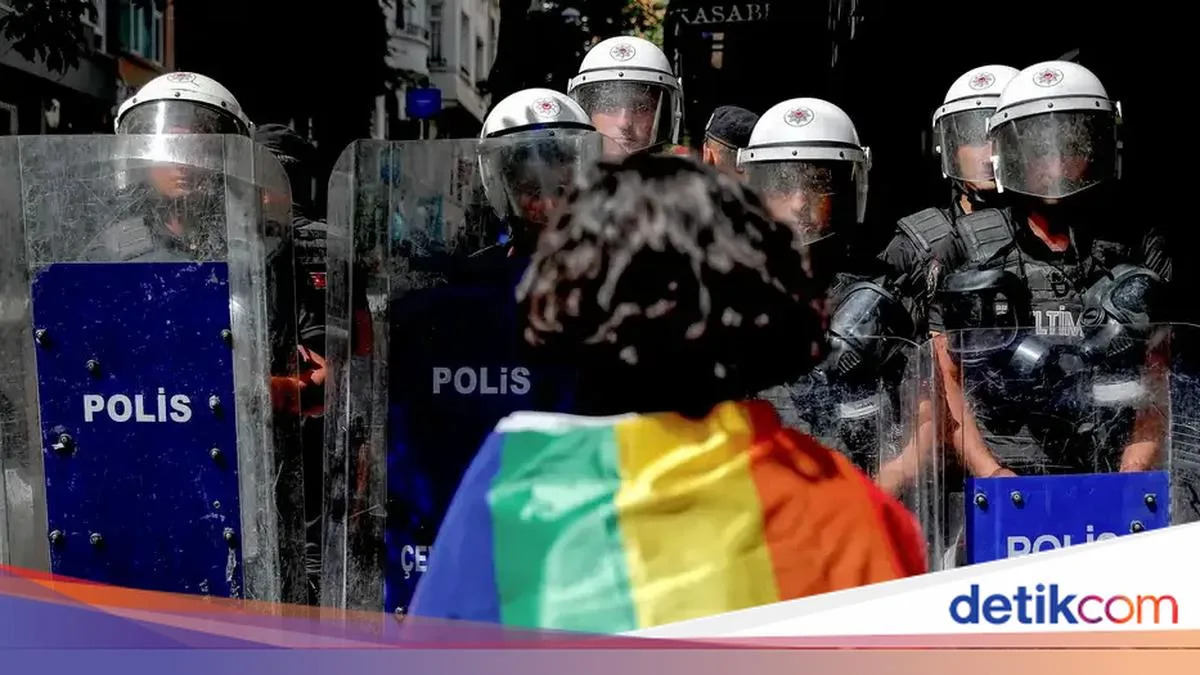
Turkish authorities detained at least 31 people and blocked more than 100 social media accounts in a wave of operations targeting the LGBTQ+ community across 15 provinces. The move drew sharp criticism from human rights organizations, the European Union, and the Council of Europe, which described the actions as a systematic effort to criminalize gender identity and sexual orientation.
Turkey's Justice Minister, Akin Gurlek, said the investigation coordinated by prosecutors in Istanbul, Ankara, Izmir, Aydin, and Mersin covered 162 suspects, nine associations, and 13 businesses. The operation is part of the "Decade of Family and Population" program launched by President Recep Tayyip Erdogan in May 2025 to address declining birth rates and reinforce traditional family values.
The raids, which took place last weekend, targeted not only individuals but also civil society organizations. Several websites and social media accounts belonging to LGBTQ+ groups, Amnesty International Turkey, the newspaper Evrensel, Academics for Peace, Lawyers for Justice, Mor Dayanisma, Kaos GL, and the Media and Law Studies Association (MLSA) were blocked. The blocking was based on an Istanbul court ruling dated 13 September, citing the spread of "obscene content and LGBTQ+ propaganda."
Human rights groups view the operation as an escalation of a campaign that has been underway for years. Yildiz Taghizade of Women for Women's Human Rights (WWHR) said the government is trying to criminalize the LGBTQ+ community without needing to pass new legislation. "The aim is not only to target LGBTQ+ people, but to effectively ban them from doing politics, organizing, demanding rights, and showing their existence in public space," she said.
Taghizade also highlighted the use of the slogan "My Family is Safe," which she said is used to justify repressive measures in the name of protecting families. According to her, the narrative does not address real problems such as poverty, the housing crisis, unemployment, and gender-based violence that actually threaten families in Turkey.
"Freedom of assembly, freedom of expression, protection of privacy, and the presumption of innocence also apply to LGBTQ+ people." — Joint statement by Turkish LGBTQ+ associations.
Support also came from 120 women's rights organizations that signed a joint statement. They opposed the operations carried out in the name of "keeping families safe" and affirmed that being LGBTQ+ is not a crime. The Turkish Medical Association (TTB) called the operation a human rights violation and demanded an end to discriminatory politics. The chairman of the Turkish Workers' Party (TIP), Erkan Bas, called for the immediate release of all those detained and condemned the use of "courts, batons, and censorship" to silence dissent.
Criticism from abroad also poured in. Council of Europe Human Rights Commissioner Michael O'Flaherty stressed that "family values" or "child protection" cannot be used as grounds to restrict human rights. European Commission spokesperson Christian Wigand reminded Turkey, as an EU candidate country, to respect the dignity of every individual regardless of gender identity or sexual orientation. Similarly, Human Rights Watch's Turkey director, Emma Sinclair-Webb, described the arrests as evidence of the government's intent to criminalize the LGBTQ+ community without needing to pass new legislation.
Indonesian Context
For Indonesia, developments in Turkey mirror how issues of gender identity and sexual orientation are often used as political tools to strengthen conservative bases. Although Indonesia is not an EU candidate country, international pressure on Turkey could influence Indonesia's position in multilateral human rights dialogues. Investors with exposure to Turkey need to watch rising political and social risks, particularly regarding civil liberties and legal stability. In addition, the mass blocking of digital platforms could set a worrying precedent for internet freedom in the region.
Going forward, this escalation could widen the gap between Turkey and the European Union, which has long been a major trading partner. If the operations continue, Ankara may face diplomatic sanctions or reduced cooperation on human rights. The question is whether international pressure will be enough to stop the criminalization, or whether it will instead reinforce the sovereignty narrative the Turkish government uses to reject foreign intervention.