Fahd A Rafiq Arrested Again by KPK: Ex-Corruption Convict Sitting on Golkar DPP Board
Baca dalam 60 detik
- Fahd A Rafiq ditangkap KPK untuk ketiga kalinya dalam OTT dugaan korupsi pengurusan HGB di Kementerian ATR/BPN.
- KPK menetapkan delapan tersangka dan menyita Rp106,3 miliar, jumlah terbesar dalam sejarah OTT lembaga antirasuah itu.
- Fenomena eks narapidana korupsi yang kembali menjabat di struktur partai politik memicu pertanyaan tentang seleksi dan integritas pengurus partai.
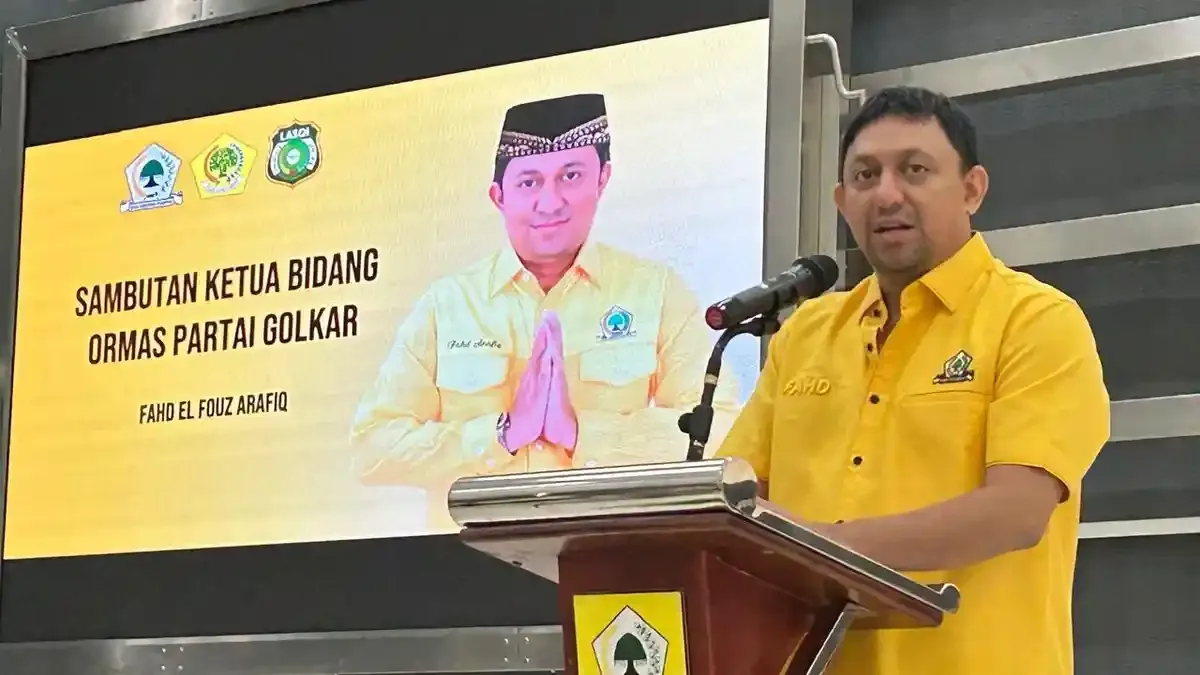
The Corruption Eradication Commission (KPK) has arrested Fahd A Rafiq again, a politician currently serving as Head of the Mass Organization Relations Division of the Golkar Party DPP. This is the third arrest for Fahd after he was previously imprisoned twice in corruption cases involving bribes for the DPID Aceh as well as the procurement of Qur'ans and madrasah laboratories.
In the latest sting operation (OTT), Fahd was arrested along with several officials from the Ministry of Agrarian Affairs and Spatial Planning/National Land Agency (ATR/BPN) over alleged corruption in the processing of Building Use Rights (HGB). The KPK named eight people as suspects, including three described as confidants of ATR/BPN Minister Nusron Wahid: Muhammad Fakhry, Erwin, and Rizal Pahlefi.
Acting KPK Director of Investigation Achmad Taufik Husein said at a press conference that the value of evidence seized this time exceeded the previous OTT record. "This is among the largest amounts in previous KPK OTT operations," he said. The statement underscores the scale of the alleged corruption involving officials at the ministry that handles land affairs, a sector that has long been one of the hotspots for bribery and gratuities.
What has drawn public attention is not only the amount of money seized but also Fahd's background. He has served prison time twice for corruption, yet was still trusted to hold a strategic position in a political party. The same has happened with Idrus Marham, a former Social Affairs Minister caught in the Riau-1 power plant bribery case who is now back on the Golkar DPP board. This phenomenon raises fundamental questions about the selection and cadre-building mechanisms in political parties, especially regarding the integrity of prospective board members.
"We are disappointed and angry!" So read the Golkar Party's statement responding to Fahd's arrest, as quoted from a news source. The statement shows the party is trying to distance itself from the case involving its cadre, though the public will certainly judge based on the existing track record.
For readers in Indonesia, especially professionals and market players, this case has direct implications for the investment climate and legal certainty in the property and land sectors. The processing of HGB, which should be a routine administrative service, has instead become a breeding ground for corruption. When officials and ministerial confidants are involved in bribery, unofficial costs can balloon and harm the business world, especially developers and investors who rely on land legality. In addition, public trust in the ATR/BPN institution could erode, which in turn slows down permitting processes and creates uncertainty.
The KPK itself faces a heavy test to resolve this case transparently and accountably. The public will scrutinize whether the handling of the case involves big actors behind the scenes or stops at the implementer level. Fahd's track record of being caught again after two prison terms also reflects the weak deterrent effect and the internal oversight system of political parties. If political parties do not tighten the selection of their board members, the same cycle could repeat.
Going forward, the question arises whether the Golkar Party will take firm action by dismissing Fahd from the board, or instead hold firm on the grounds of the presumption of innocence. More importantly, will this case push for a revision of rules banning former corruption convicts from holding strategic positions in parties? Without systemic improvement, arrest after arrest will only become routine news without meaningful change.