Three Smart Home Lifesavers During Power Outages, from UPS to Power Stations
Baca dalam 60 detik
- Gangguan pasokan listrik bisa melumpuhkan perangkat rumah pintar yang bergantung pada koneksi internet, sehingga solusi cadangan daya menjadi kebutuhan mendesak.
- Tiga opsi berbeda ditawarkan: UPS ringkas untuk router, pembangkit listrik portabel berkapasitas besar, dan basis baterai khusus untuk speaker pintar.
- Pemilihan perangkat cadangan harus disesuaikan dengan konsumsi daya dan durasi pemadaman yang mungkin terjadi, terutama di daerah dengan infrastruktur kelistrikan rentan.
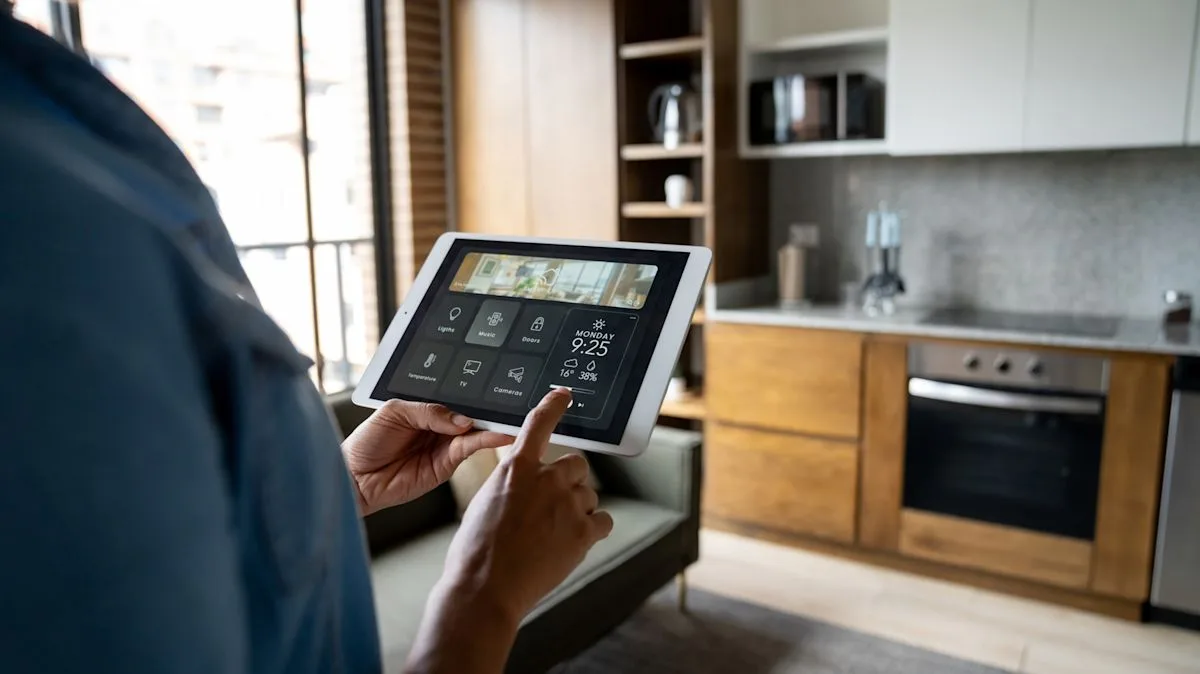
When the power suddenly cuts out, it is not just the lights that go off—the entire smart home ecosystem that depends on a Wi-Fi connection goes down with it. Devices such as security cameras, smart thermostats, and voice assistants become unresponsive, and homeowners lose control over the automated functions they normally rely on. Without a backup power system, even a brief outage is enough to halt the operation of devices connected to the router and modem.
In reality, most modern smart homes rely on an internet connection as their main communication channel. The router and modem are the weak point because both require constant electrical power. According to a number of technology reviewers, keeping those two devices running during an outage is the first priority before considering other, more power-hungry devices. This is where backup power devices come in, from the simple ones to those capable of supporting many appliances at once.
The most practical option for basic needs is a small-scale UPS (Uninterruptible Power Supply) unit. The APC BE600M1, for example, packs a 600 VA battery that is claimed to supply up to 330 watts. With typical router and modem consumption of around 5–20 watts, this device can last about 2.5 hours at a 20-watt load—enough to ride out short-term power disruptions. A price of around US$84 and a 4.5-out-of-5 rating on Amazon make it a popular option, although some buyers report defective units or units that died after a few months of use.
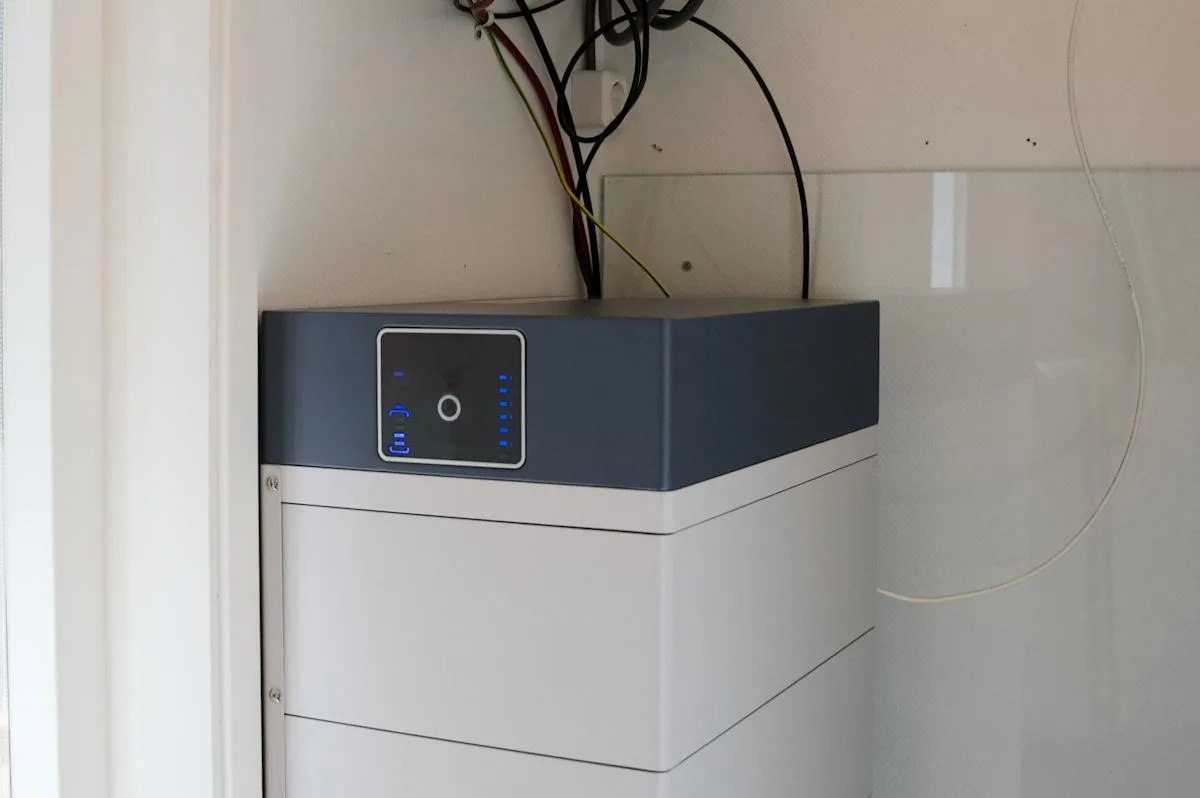
If the need extends to more power-hungry devices, portable power stations such as the Bluetti Elite 300 offer far greater capacity. Its battery has a capacity of 3,014.4 Wh with a 2,400-watt output, capable of powering smart speakers, smart displays, hubs, and even NVR systems. The device comes with four AC outlets, two USB-A ports, and two USB-C ports (one supporting 140 W charging). Charging from 0% to 100% is claimed to take only two hours via AC. Although it is heavy and its fan can be noisy, reviewers from PC Mag, Reviewed, and Tech Radar rate its port selection as complete, its construction as sturdy, and its UPS performance as smooth. Its official price is US$1,599, but it is often discounted to around US$1,000.
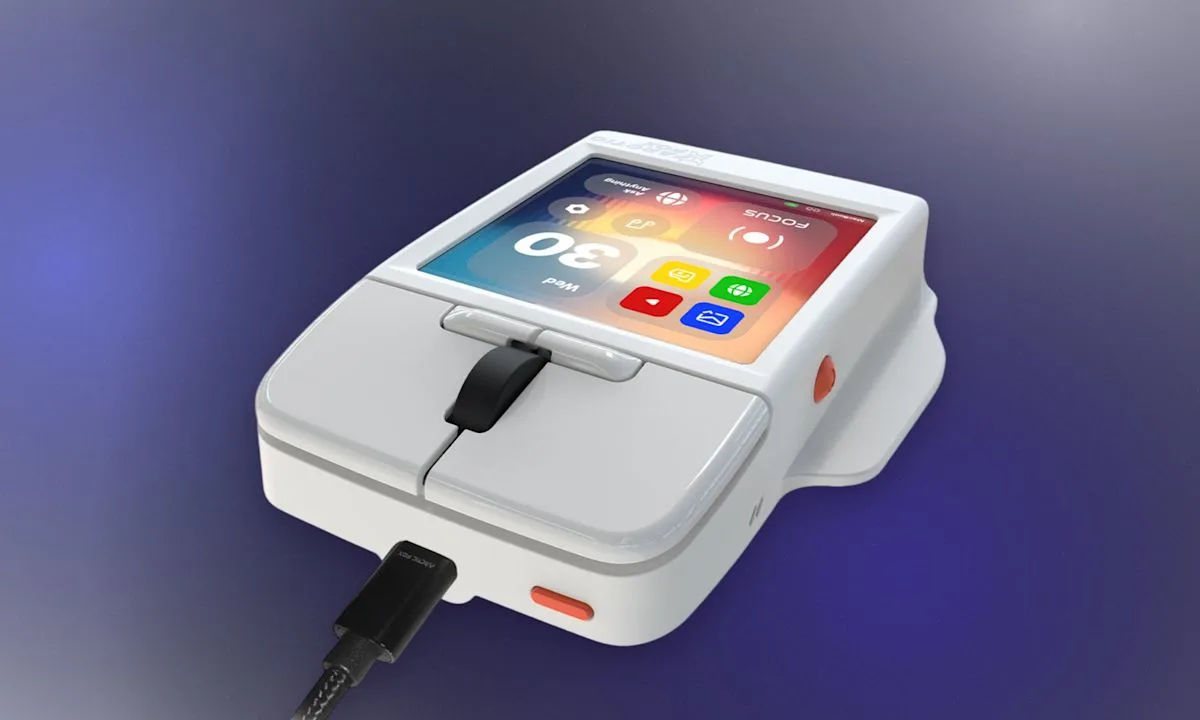
For voice assistant users, dedicated battery bases offer a more integrated solution. Mission Cables provides a battery base for the Echo Dot that can keep the speaker active for up to five hours. The US$40 device is designed to blend in with the Echo Dot's appearance and is easy to install. Unfortunately, its compatibility is limited to the fourth and fifth generations; however, the manufacturer also offers variants for the 4th-generation Echo, Echo Pop, and Apple HomePod Mini. Buyer reviews on Amazon average 4.5 out of 5, although some complain of disrupted Wi-Fi connections if the unit is moved, and there are reports of units dying within weeks.
"Keeping the router and modem running is the most sensible first step. After that, you can consider other devices according to your needs," is the gist of the advice that often appears in smart home community discussions.
For consumers in Indonesia, the relevance of these devices is increasingly felt as smart home adoption grows in urban areas. Rolling blackouts or supply disruptions from PLN still occur frequently in a number of regions, especially during extreme weather. Investing in a UPS or portable power station not only protects smart devices but also maintains work-from-home connectivity and security systems. However, battery endurance, after-sales service availability, and compatibility with the local electrical voltage (220 V) should be considered before buying.
Going forward, smart home manufacturers will be expected to design devices with more efficient power consumption and integrated backup power options. Energy regulators in various countries are also beginning to push for power resilience standards for IoT devices. The question is, will manufacturers in Indonesia offer backup power solutions that are more affordable and suited to the conditions of the domestic power grid? Without that, smart home adoption in the country risks stagnating among users with the most stable power supply.