Tax Chief Asks for Purbaya-Era Staff Rotation to Be Cancelled, Cites 'Magic Names'
Baca dalam 60 detik
- Dirjen Pajak Bimo Wijayanto mengusulkan pembatalan mutasi pegawai yang dilakukan eks Menkeu Purbaya Yudhi Sadewa pada 10 September 2026.
- Alasan pembatalan: munculnya sejumlah nama yang tak melewati proses assessment dan talent management, sehingga memicu kegaduhan di internal institusi.
- Usulan telah disampaikan ke Menkeu Suahasil Nazara yang disebut berkomitmen melanjutkan reformasi birokrasi berbasis meritokrasi.
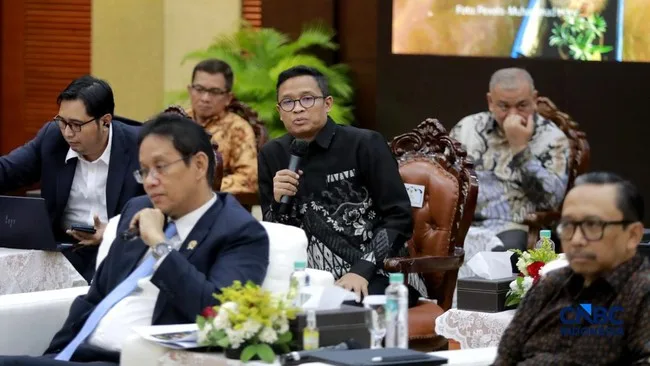
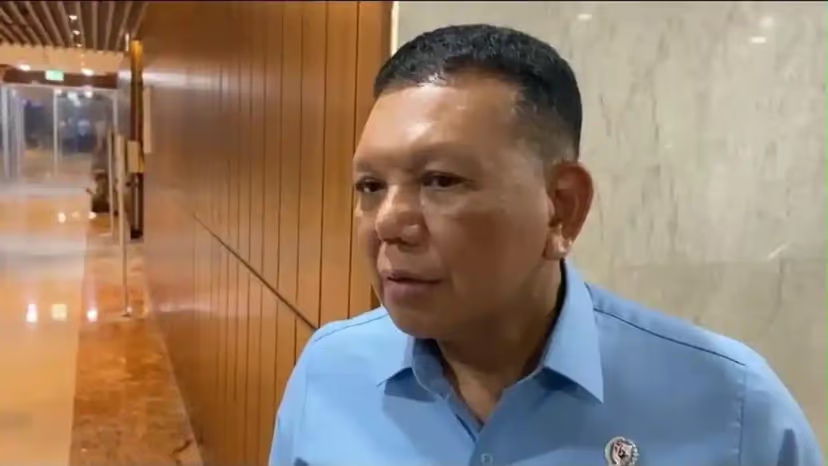
Director General of Taxes Bimo Wijayanto has publicly asked for the staff overhaul at the Directorate General of Taxes and the Directorate General of Customs and Excise carried out on 10 September 2026 to be cancelled. The request was made directly at his office on Wednesday (16/9/2026), citing the emergence of a number of names that did not go through assessment and talent management procedures.
According to Bimo, the rotation was in fact an internal proposal, but the process was deemed flawed because some employees 'did not take part in the assessment, talent management process'. He and the Director General of Customs and Excise then asked for the policy to be postponed, or even cancelled. "It was our proposal, the rotation, but there were indeed some magic names that did not go through the assessment, talent management process, and that is what made me and the Director General of Customs and Excise ask for it to be postponed first, cancelled," he said.
The overhaul on 10 September 2026 featured the finance minister at the time, Purbaya Yudhi Sadewa, as the main actor. Hundreds of positions at the two most strategic institutions in the Ministry of Finance were shifted. However, not long afterwards, President Prabowo Subianto removed Purbaya and appointed Suahasil Nazara as the new finance minister. The change opened room for an evaluation of a policy that had been running for only a few days.
Bimo assessed that the transfers caused internal unrest, especially for employees who had gone through all stages of selection. "Because the signal is not good for the other troops, those who went through the trouble, took the assessment, took the exams, took talent management," he stressed. He emphasised that a process that is not transparent could damage morale and officials' trust in the career system at the Ministry of Finance.
"Pak Suahasil emphasised his commitment to carrying out talent management, to carrying out bureaucratic reform as well as possible," Bimo said, citing a positive signal from the new finance minister.
For businesses and investors in Indonesia, this polemic is not merely internal bureaucratic dynamics. The Directorate General of Taxes and Customs and Excise are two institutions that determine the investment climate, from certainty in tax rules to the smooth flow of goods at ports. Leadership instability and a transfer process not based on meritocracy can reduce the business world's trust in the consistency of fiscal policy. Moreover, the state revenue target from taxes and customs duties has always been the backbone of the state budget.
If the cancellation is truly carried out, the Ministry of Finance under Suahasil Nazara will face an early test: ensuring that bureaucratic reform does not stop at rhetoric. The public and the market will scrutinise whether staff placement again follows a strict assessment track, or instead produces new 'magic names' under a different pretext. Process transparency is key to dampening political speculation within the fiscal authority.
Going forward, the question is not only who sits in strategic seats, but whether the career system at the Ministry of Finance can stand on the principle of professionalism. Without that, every change of minister could become a storm that disrupts the stability of state revenue and the investment climate.