Parliamentary Threshold Rises to 5 Percent: Prabowo Coalition Solid, PDI-P Resigned, Non-Parliamentary Parties Object
Baca dalam 60 detik
- Para ketua umum partai pendukung pemerintahan Prabowo Subianto menyepakati ambang batas parlemen 5 persen dalam revisi UU Pemilu, naik dari 4 persen pada Pemilu 2024.
- PDI-P sebagai satu-satunya partai di luar koalisi tidak mengajukan keberatan, sementara partai nonparlemen menentang keras dan merujuk putusan Mahkamah Konstitusi.
- Kesepakatan ini akan menentukan peta kekuatan parlemen dan peluang partai kecil pada Pemilu 2029, serta berpotensi memicu uji konstitusionalitas.
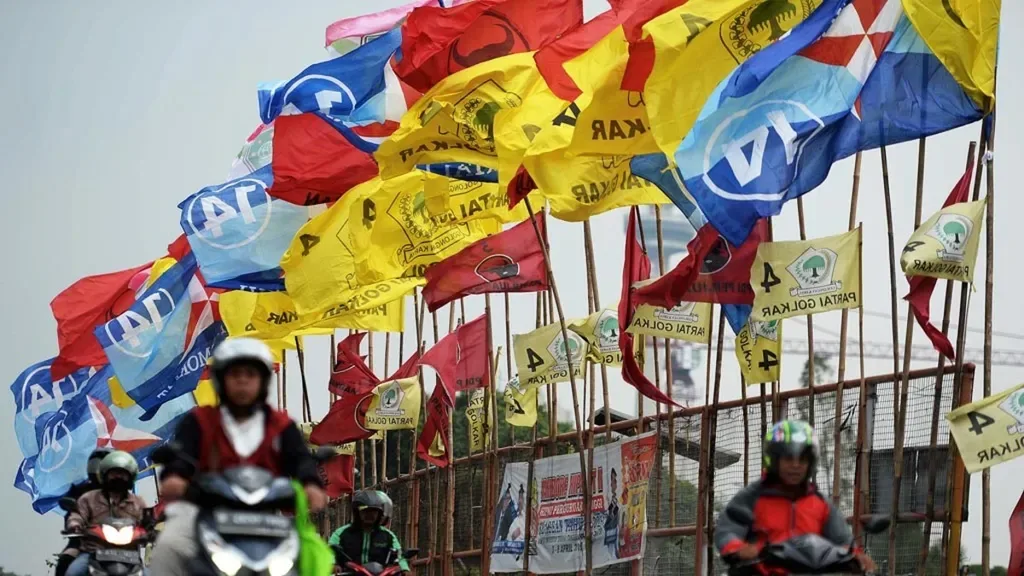
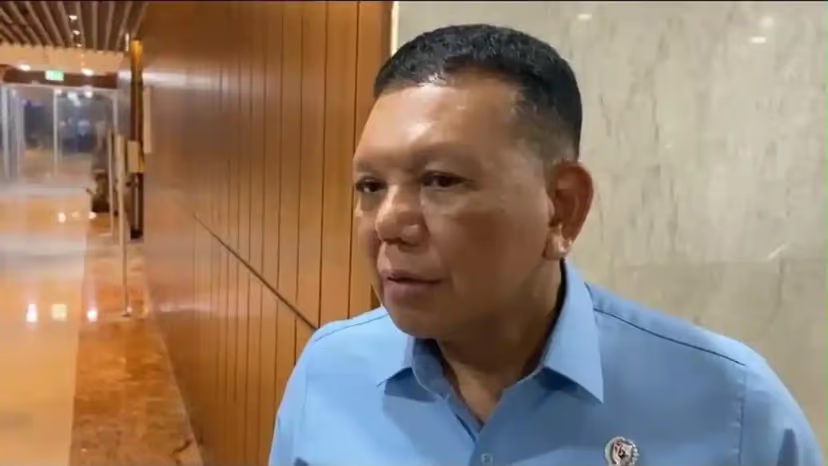
A number of party chairmen backing the government of Prabowo Subianto have agreed on a 5 percent parliamentary threshold in the revision of the Election Law. The agreement came to light from the admission of Gerindra Party Secretary-General Sugiono at the Parliamentary Complex in Jakarta on Wednesday (16/9/2026). The figure is one point higher than the 4 percent threshold that applied in the 2024 election.
The parliamentary threshold is the minimum percentage of valid national votes a political party must secure to place its representatives in the DPR. With a 4 percent threshold, a number of election participants failed to enter Senayan because their vote share fell below that line. Raising it to 5 percent is predicted to shrink the chances of small parties, especially those without seats.
Interestingly, the Indonesian Democratic Party of Struggle (PDI-P), the only party outside the coalition backing Prabowo, does not object to the proposal. That stance differs from non-parliamentary parties, which have voiced resistance. They recall that the Constitutional Court (MK) has ruled on a case concerning the parliamentary threshold, and that ruling should serve as a reference in the revision of the Election Law.
From a political standpoint, raising the threshold can be read as an effort to simplify the party system. However, the policy also risks sidelining the aspirations of voters whose ballots are spread across small parties. Non-parliamentary parties argue a high threshold contradicts the principle of electoral fairness and the spirit of the MK ruling, which stresses the importance of proportionality.
"We have no objection to the 5 percent figure, as long as the discussion is transparent and in line with the MK ruling," said a PDI-P politician who declined to be named.
For the public, this revision of the Election Law is not merely an elite debate. The threshold determines how many parties sit in the DPR, which in turn affects the effectiveness of legislation and regional representation. If the threshold is too high, party fragmentation in parliament decreases, but the risk of voters going unrepresented actually rises.
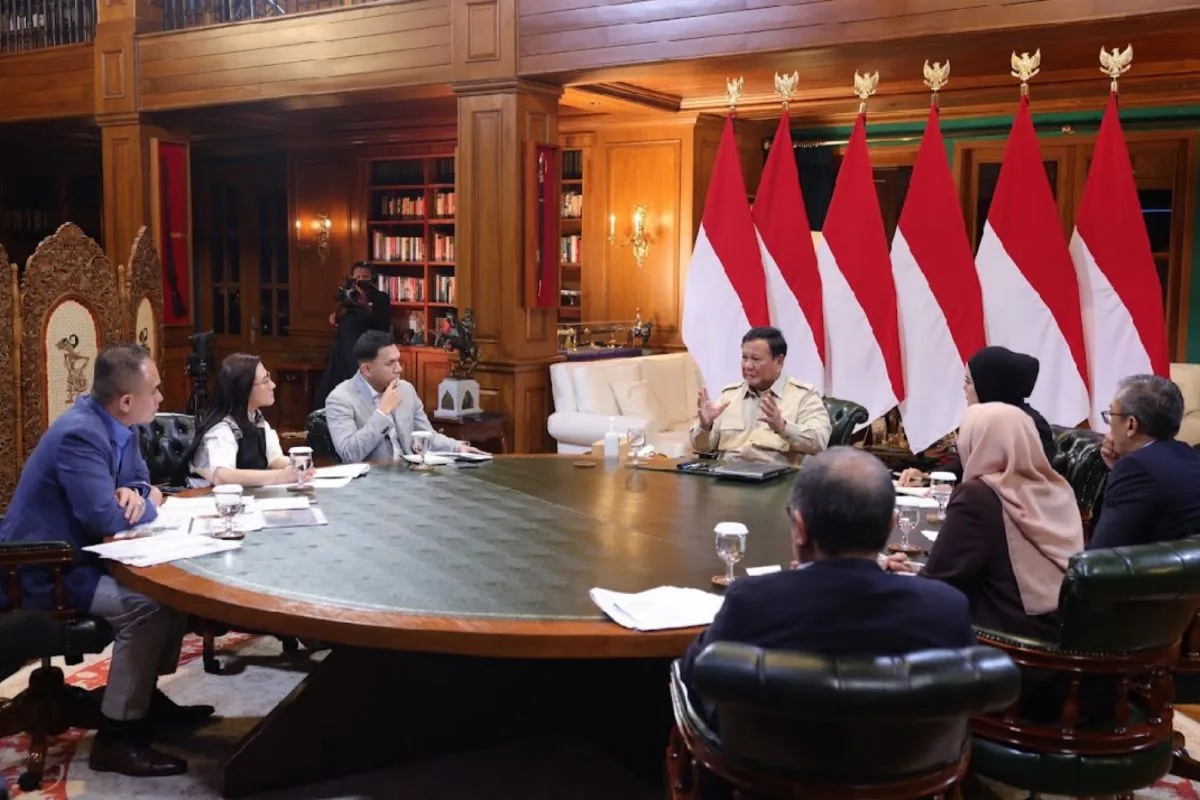
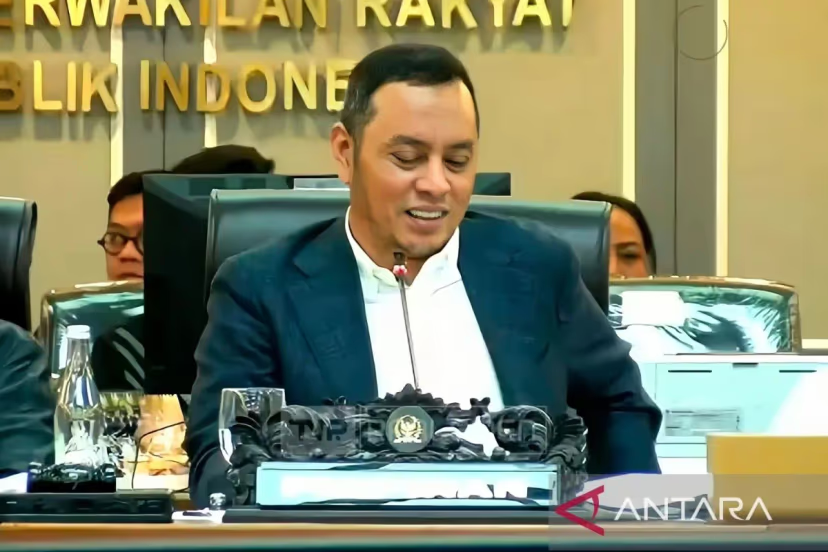
The Prabowo coalition agreement still has to go through formal deliberation in the DPR together with the government. Non-parliamentary parties plan to monitor the process, including keeping open the option of filing a judicial review with the MK if the Election Law revision is passed without heeding the earlier ruling. PDI-P, meanwhile, tends to take a pragmatic position: not blocking it, but ensuring the rules of the game are not discriminatory.
With this dynamic, the big question is: will the 5 percent threshold truly simplify political parties, or instead trigger a wave of lawsuits that delays legal certainty ahead of the 2029 election?