Prabowo Rejects Hosting International Events: Hundreds of Billions Better Spent on Disaster Mitigation
Baca dalam 60 detik
- Presiden Prabowo Subianto menolak usulan menjadi tuan rumah pertandingan internasional karena dinilai tidak sebanding dengan biaya ratusan miliar rupiah.
- Efisiensi anggaran diperluas ke kegiatan seremonial kementerian, termasuk seminar, FGD, dan kunjungan kerja, dengan klaim penghematan Rp300 triliun pada 2025.
- Kebijakan ini berpotensi mengubah prioritas belanja negara, namun memicu pertanyaan tentang dampak jangka panjang bagi industri olahraga dan pariwisata.
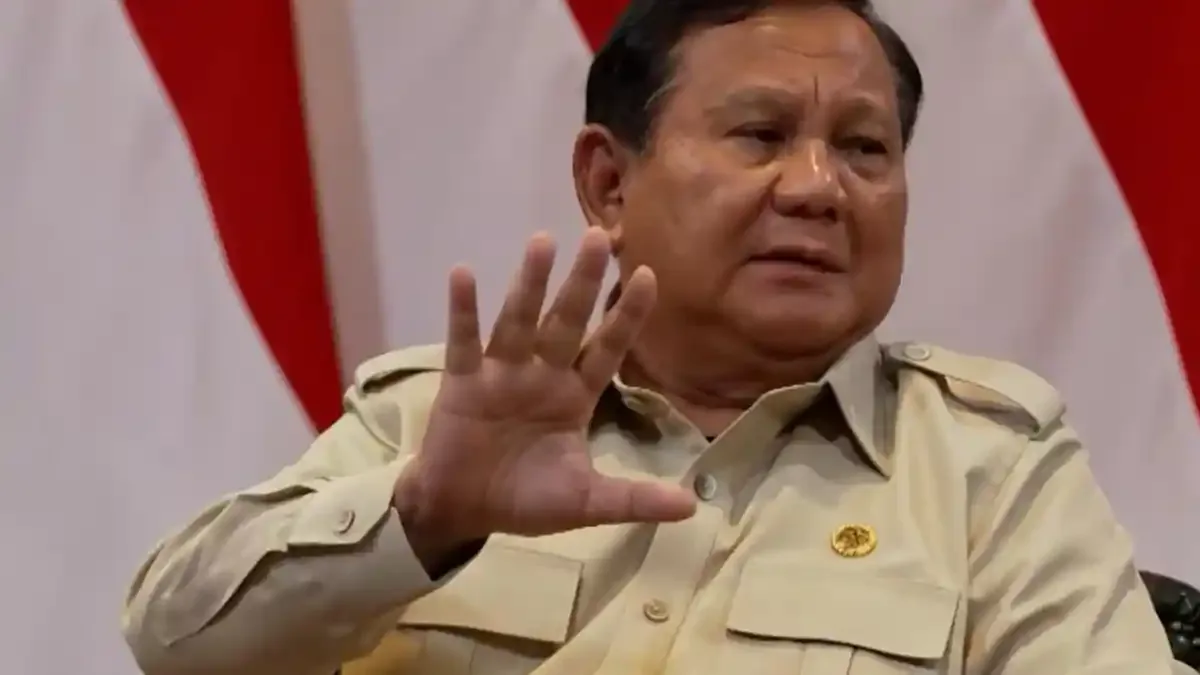
President Prabowo Subianto has firmly rejected proposals for Indonesia to host international matches. His reason: the organizing costs, which reach hundreds of billions of rupiah, are not considered commensurate with the uncertain potential for national athletes to win medals. The rejection was delivered in an interview session at his residence in Hambalang, Bogor, West Java, on Wednesday (16/9/2026).
According to Prabowo, that budget would be better redirected to more essential needs, especially natural disaster mitigation, which requires no small amount of funding. He gave an example: rather than holding an international event that is not guaranteed to produce a gold medal, the government should reduce waste. "I said enough, because we are not certain we can get a gold medal, why would we spend hundreds of billions to be host? Cut it," he said.
This step is part of the large-scale budget efficiency policy his administration is pushing. Prabowo claims the savings come not only from international events but also from various ceremonial activities at ministries, such as anniversary celebrations, seminars, focus group discussions (FGD), and official work visits. "In the first months of my leadership, 2025, we managed to save Rp300 trillion. Imagine that, Rp300 trillion. The costs of buying stationery, printing, souvenirs, building rentals, equipment, meetings, seminars, and the like—we saved a lot of that," he concluded.
This policy has sparked debate among sports and tourism industry players. On one hand, budget efficiency can strengthen the country's fiscal position and fund priority programs. On the other hand, refusing to host international events could reduce Indonesia's opportunities to improve its image on the global stage and hinder the growth of supporting sectors such as hospitality, transportation, and MSMEs. Several observers argue this decision needs to be balanced with a more serious athlete development strategy so that achievements can still be attained without having to be host.
For investors and market players, this policy direction signals that the government prioritizes fiscal discipline and more productive spending allocation. However, they are also watching its impact on the creative economy and tourism sectors, which have relied on large-scale events. Going forward, the government is expected to be transparent in detailing the use of funds from the efficiency measures, including ensuring that savings do not sacrifice the quality of public services and the development of sports infrastructure.
"Efficiency is the key to successfully managing a country, especially amid various threats of natural disasters that require mitigation funding," Prabowo stressed.
With this policy, Indonesia appears set to be more selective in accepting offers to host international events. The question is whether this cost-saving step will be followed by increased investment in strategic sectors, or instead create a void in the map of global event hosting. Time will tell, but Prabowo's policy direction is clear: state money must be used as much as possible for the people's interests, not merely for fleeting prestige.