TNI Opens Up: 44,677 Hectares of State Land Prone to Agrarian Conflict
Baca dalam 60 detik
- Asisten Perencanaan Umum Panglima TNI mengungkap 44.677 hektare aset tanah milik institusi militer bermasalah dan berpotensi memicu sengketa agraria.
- Dari total 369.971 hektare Barang Milik Negara yang dikuasai TNI, lebih dari separuhnya belum bersertifikat, dengan 452 kasus pertanahan tercatat hingga Agustus 2026.
- TNI membentuk tim verifikasi terpadu lintas kementerian untuk menata aset pertahanan yang beririsan dengan program reforma agraria, sembari mendukung pembahasan RUU Reforma Agraria di DPR.
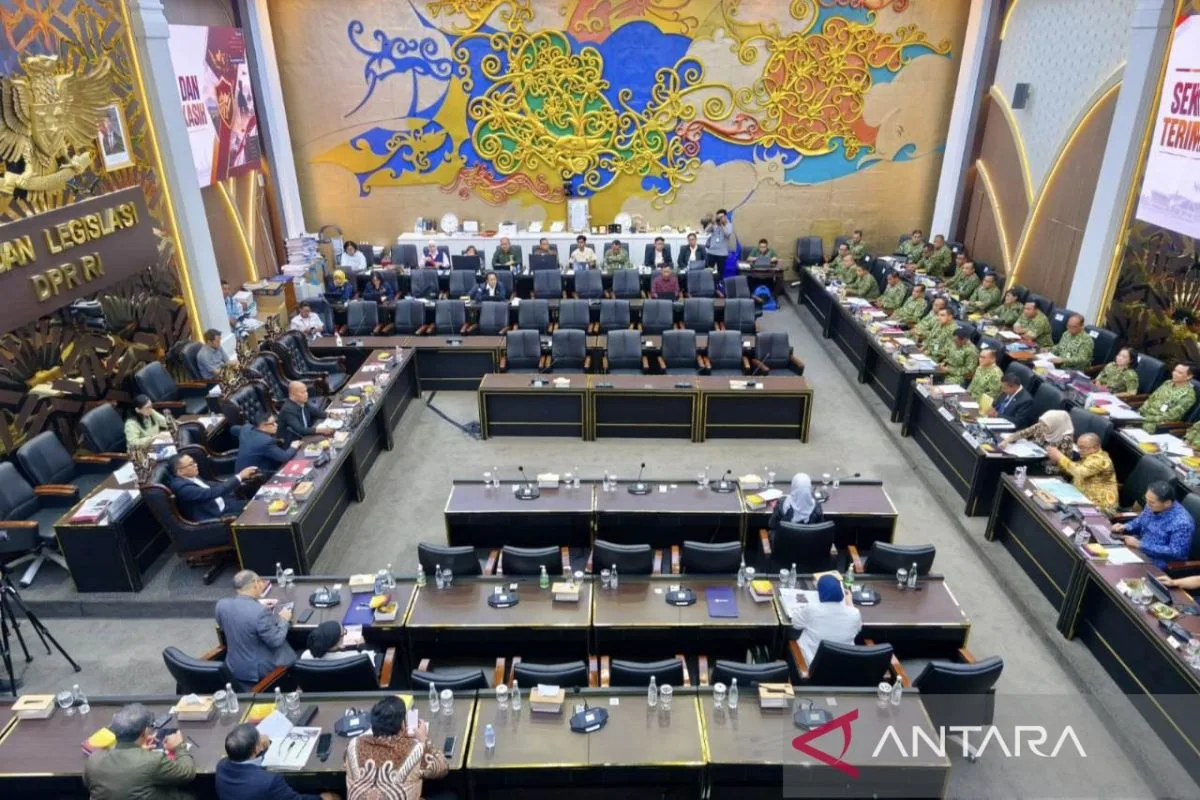
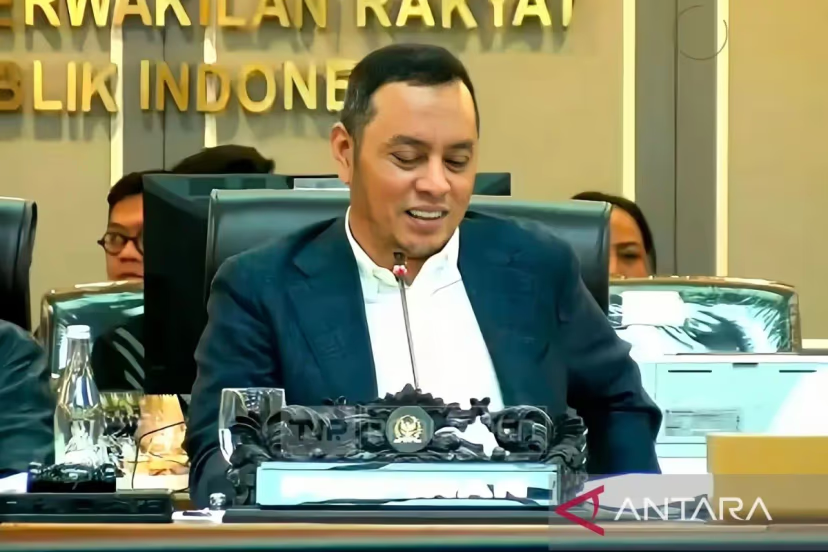
JAKARTA — Assistant for General Planning to the TNI Commander, Lt. Gen. Candra Wijaya, revealed that 44,677 hectares of land assets belonging to the military institution are in a problematic condition and could potentially trigger agrarian conflict. The figure was presented at a joint meeting with the Legislative Body of the Indonesian House of Representatives (DPR RI) discussing the Draft Law on the Regulation of Agrarian Reform at the parliamentary complex in Jakarta on Wednesday.
Of the total State-Owned Property (BMN) land assets controlled by the TNI, amounting to 369,971 hectares, 133,619 hectares have been certified, while 191,657 hectares remain uncertified. The remaining 44,677 hectares fall into the problematic category. As of August 2026, 452 land cases in the defense sector were recorded, most of them related to uncertified land assets.
The situation has drawn attention because TNI-owned land is often located in strategic areas, directly bordering forest zones, settlements, or productive land claimed by communities. The unclear legal status not only hampers defense operations but also opens the door to prolonged disputes that risk dragging personnel into social conflict.
To address the issue, the TNI has formed an integrated verification team involving the Ministry of Defense, the Ministry of Finance, the Ministry of Agrarian Affairs and Spatial Planning/National Land Agency (ATR/BPN), and regional governments. The team will cross-check TNI land asset data against parcel maps, spatial plans, forest zones, and the indicative map of land objects for agrarian reform. The move is seen as a systematic effort to separate which assets are legitimate and still needed for defense from those that overlap with claims by other parties.
"The TNI supports the establishment of a law on the regulation of agrarian reform as an instrument of social justice and legal certainty over land," Candra said, expressing hope that support from legislative leaders could improve the TNI's operational readiness in safeguarding national sovereignty.
According to Candra, the TNI will also accelerate the recording, certification, and boundary demarcation of legitimate defense assets. During the process, periodic reports will be submitted to the DPR regarding the arrangement of defense land that intersects with the agrarian reform program. He stressed that legal certainty over land is a prerequisite for the stability of defense duties.
For readers in Indonesia, particularly businesses and investors, this development implies three things. First, the accelerated certification of TNI assets could reduce the risk of land disputes that have long hindered infrastructure and investment projects in the regions. Second, the cross-ministerial involvement in verification signals that agrarian reform is no longer only about land redistribution, but also about organizing state assets. Third, certainty over the status of defense land could affect the investment climate in the property, plantation, and energy sectors whose land borders military assets.
However, the challenges remain significant. Data that has not been integrated, resistance at the local level, and potential lawsuits from parties claiming the land could slow the process. The existence of the Agrarian Reform Bill is a test of whether the state can resolve the legacy of agrarian disputes fairly and transparently, without sacrificing defense interests. The public will be waiting to see whether this verification team can truly complete the asset arrangement, or merely add to the ever-growing backlog of unresolved land issues.