Purbaya Served Only a Year as Finance Minister, but His Pension Flows for Life
Baca dalam 60 detik
- Purbaya Yudhi Sadewa resmi lengser dari jabatan Menteri Keuangan setelah sekitar 12 bulan menjabat, digantikan Suahasil Nazara pada 14 September 2026.
- Berdasarkan PP 50/1980, setiap menteri yang berhenti dengan hormat berhak atas pensiun pokok seumur hidup, dengan estimasi awal sekitar Rp604.800 per bulan.
- Selain pensiun, Purbaya juga berpotensi menerima Tabungan Hari Tua dari Taspen, namun pencairannya menunggu persetujuan presiden melalui SK Pensiun.

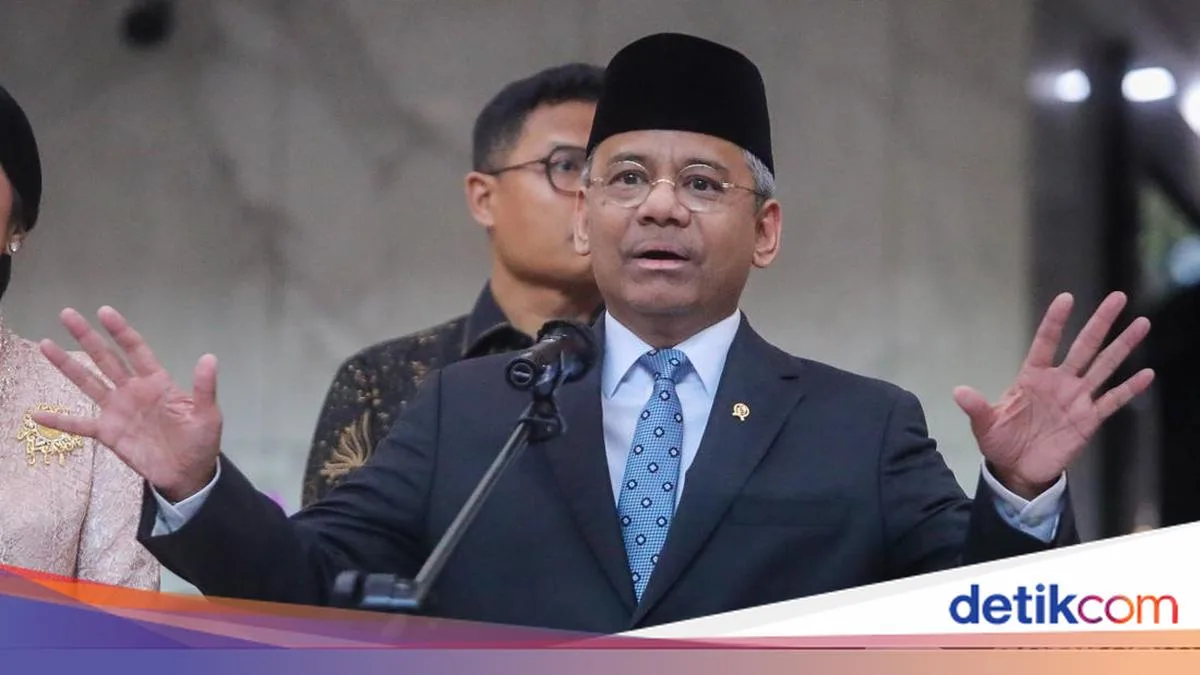
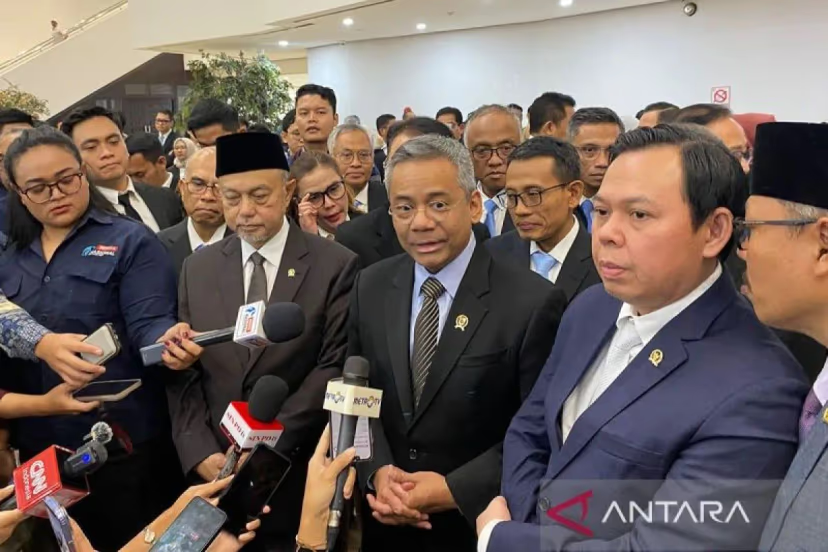
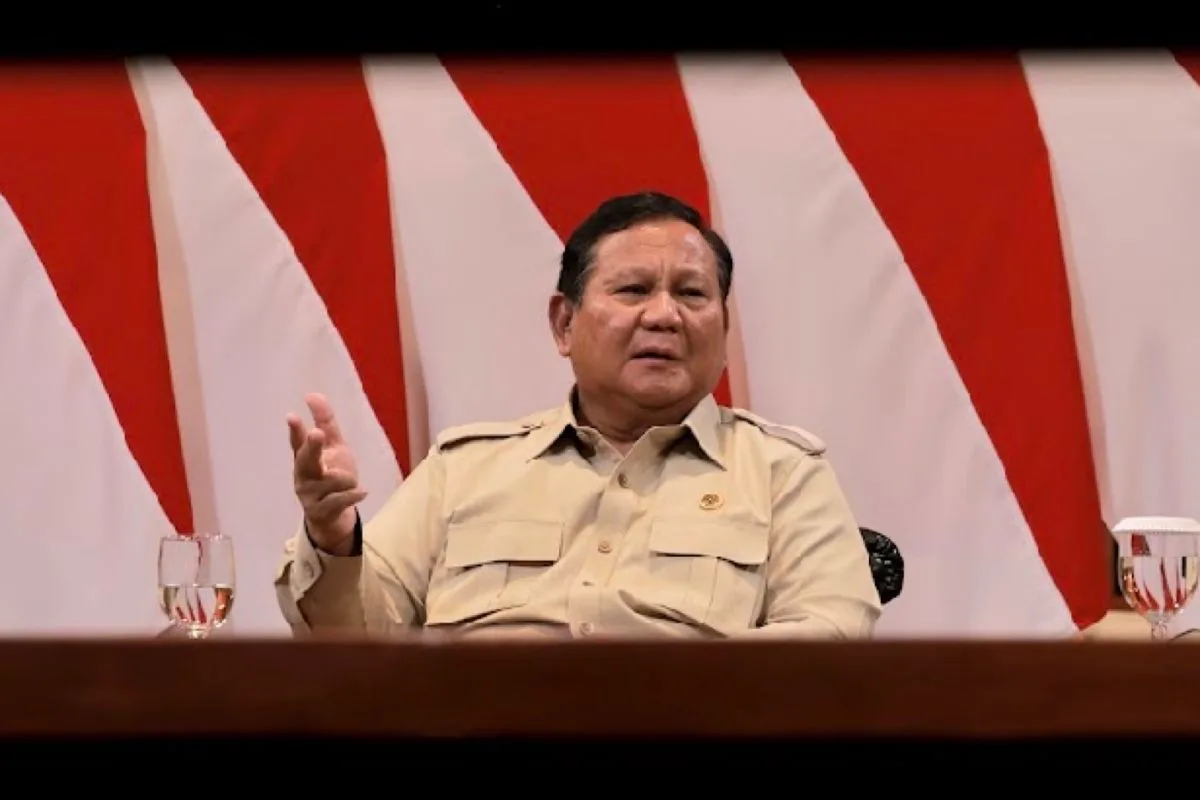
Former Finance Minister Purbaya Yudhi Sadewa officially left his post after serving only about a year, replaced by Suahasil Nazara in a swearing-in ceremony led by President Prabowo Subianto on Monday (14/9/2026). Although his tenure was brief, Purbaya remains entitled to a lifetime pension from the state—a right governed by a regulation inherited from the 1980s and rarely in the public spotlight.
Purbaya was first sworn in as finance minister on 8 September 2025, replacing Sri Mulyani, who was reshuffled out of the cabinet at the time. Less than a year later, however, he was replaced through Presidential Decree No. 97/P of 2026. The change marks a new chapter at the Ministry of Finance, but it also raises questions about the compensation received by state officials after leaving office.
Referring to Government Regulation (PP) 50 of 1980 on the Financial/Administrative Rights of State Ministers and Former State Ministers, every minister who leaves office honorably is entitled to a pension. The basic pension amount is calculated based on tenure: 1% of the pension base for each month of service, with a minimum of 6% of the pension base. The pension base in question is the last basic salary under the applicable regulations.
Assuming a full 12-month tenure, Purbaya is entitled to a basic pension of 12% of the pension base. If referring to the minister's basic salary set at Rp5,040,000 per month, his estimated basic pension is around Rp604,800 per month. This figure does not include the Old Age Allowance (THT), which can be obtained if he regularly paid contributions through salary deductions during his tenure.
"The amount of the monthly basic pension is 1% of the pension base for each month of service, provided that the basic pension is at least 6% of the pension base," reads Article 11 Paragraph 2 of PP 50 of 1980.
In addition to the monthly pension, former ministers are also entitled to THT disbursed through PT Taspen (Persero). However, the disbursement of both rights is not automatic. The government emphasizes that a former minister can only receive a pension and THT after obtaining presidential approval in the form of a Pension Decree (SK). This means that although Purbaya meets the requirements under the regulations, the actual payment still depends on political decisions at the Palace.
For the public, this case highlights how small the fiscal cost of pensions for senior state officials is compared with the scale of responsibility they bear. On the other hand, however, the rule also sparks debate about the relevance of PP 50/1980 in the era of modern financial governance. A number of economists argue that the ministerial pension scheme needs to be evaluated to align with the principles of fiscal sustainability and budget transparency.
From the perspective of investors and market participants, regulatory certainty regarding the financial rights of state officials is not actually a direct factor driving the market. Still, the issue concerns the credibility of state budget management. As the government pushes for spending efficiency and fiscal consolidation, attention to post-tenure compensation for officials could become a test of its commitment to bureaucratic reform. Moreover, Purbaya himself was known as a figure vocal about the importance of fiscal discipline during his tenure.
Going forward, the public will be waiting to see whether President Prabowo will soon issue a Pension Decree for Purbaya, and whether there will be any discourse on revising PP 50/1980, which is more than four decades old. If not, then every minister who steps down—no matter how long they served—will remain a burden on the state budget for the rest of their life. The question is, how long can the state bear the consequences of a rule that has never been revised?