Government Prepares El Nino Budget in 2026 State Budget, Focus on Fiscal Flexibility
Baca dalam 60 detik
- Menkeu Suahasil Nazara memastikan APBN 2026 telah mengalokasikan dana kebencanaan untuk mengantisipasi dampak El Nino.
- Fleksibilitas anggaran menjadi kunci agar pemerintah dapat merespons cepat situasi darurat seperti kekeringan dan bencana alam.
- Anggaran kebencanaan naik signifikan menjadi Rp1,1 triliun, ditambah dana siaga Rp5 triliun dan pooling insurance Rp14 triliun.
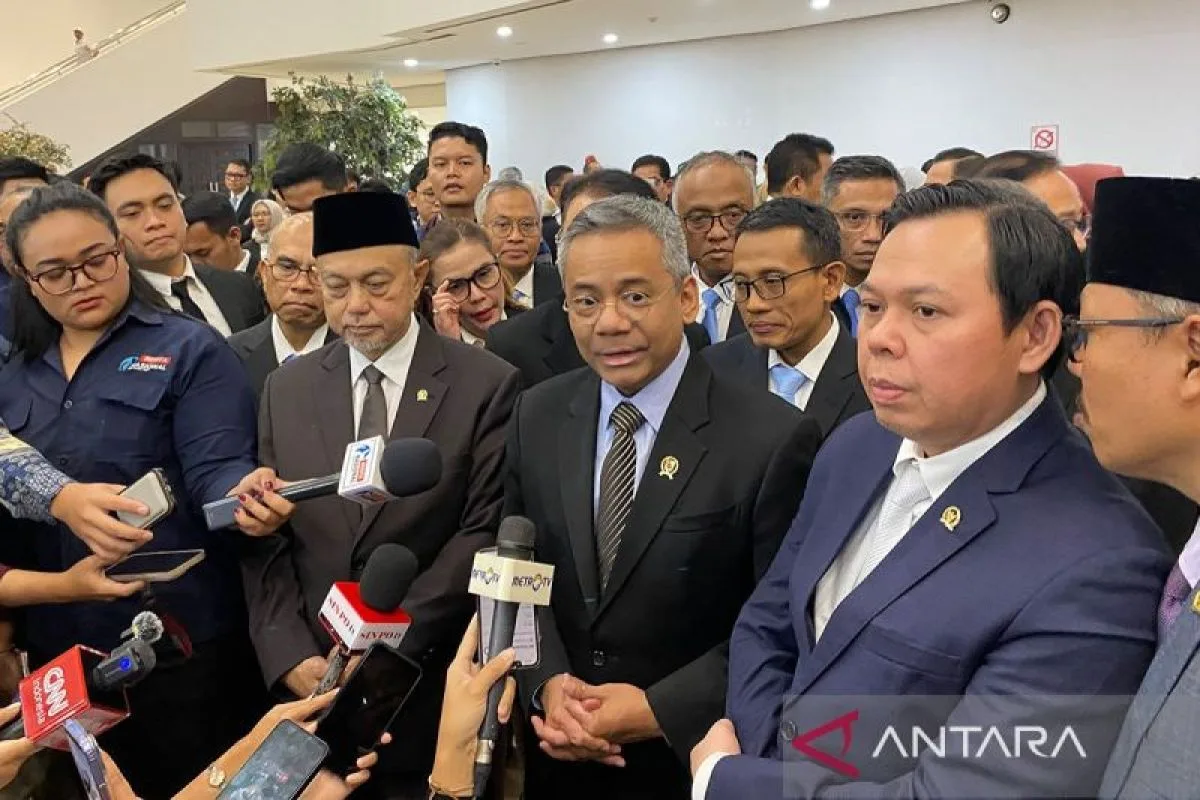
Finance Minister Suahasil Nazara emphasized that the 2026 State Budget (APBN) includes a special allocation to anticipate the El Nino phenomenon. The statement was made after attending the 2nd Extraordinary Plenary Session of the 2026-2027 Session Year at the Parliamentary Complex, Jakarta, Wednesday.
According to Suahasil, the allocation falls under the disaster budget, which is designed to have high flexibility. The aim is for the government to move quickly when unexpected situations arise, including prolonged drought and natural disasters that often accompany El Nino. "Budget flexibility is essential to ensure responsiveness to developing situations," he said.
The statement clarifies the direction of the government's fiscal policy, which has begun integrating climate risk into budget planning. The move is not without reason. El Nino is known to trigger declines in food production, clean water crises, and increase the risk of forest fires—which in turn threaten price stability and people's purchasing power.
Chairman of the Budget Committee (Banggar) of the Indonesian House of Representatives Said Abdullah previously revealed that the increase in the disaster budget was the result of a directive from President Prabowo Subianto. According to Said, the increase will continue to be pursued amid the rising intensity of hydrometeorological disasters in Indonesia. On-call funds and Ready-to-Use Funds are prepared to ensure liquidity availability during emergency response, while pooling insurance serves as a risk-sharing instrument between the government and the private sector.
"Pressure from various unexpected events must be addressed for the good of the people," Suahasil said, emphasizing the importance of fiscal readiness.
For market players and investors, this signal provides certainty that the government has a fiscal buffer to cushion economic shocks caused by disasters. However, its effectiveness will depend on the speed of execution on the ground. Coordination between the Ministry of Finance, BNPB, and regional governments is crucial so that funds do not get stuck in bureaucracy.
On the other hand, the large allocation for disaster response raises questions about the fiscal space remaining for other development programs. The government needs to ensure that mitigation spending does not sacrifice the infrastructure or social protection budgets, which also have a direct impact on the public. Transparency and accountability in the use of funds are a reputational stake amid uncertain global pressures.
Going forward, the success of this strategy will be tested by a climate reality that is increasingly difficult to predict. Is the prepared budget sufficient to face an El Nino that may be stronger than expected? And just as important, how will the government ensure that every rupiah allocated actually reaches affected areas on time?