Suahasil-Destry Duo at Finance Ministry and BI: A Test of Technocratic Resilience Amid Economic Turmoil
Baca dalam 60 detik
- Suahasil Nazara dilantik sebagai Menteri Keuangan menggantikan Purbaya Yudhi Sadewa, sementara Destry Damayanti resmi menjabat Gubernur Bank Indonesia periode 2026–2031.
- Ekonom UNAIR menilai kombinasi ini berada di persimpangan krusial yang menuntut adaptasi teknokratis dan kejelasan arah kebijakan di tengah target pertumbuhan 6 persen.
- Pasar menantikan sejauh mana koordinasi fiskal-moneter mampu menjaga stabilitas dan mendorong program prioritas tanpa mengorbankan disiplin anggaran.
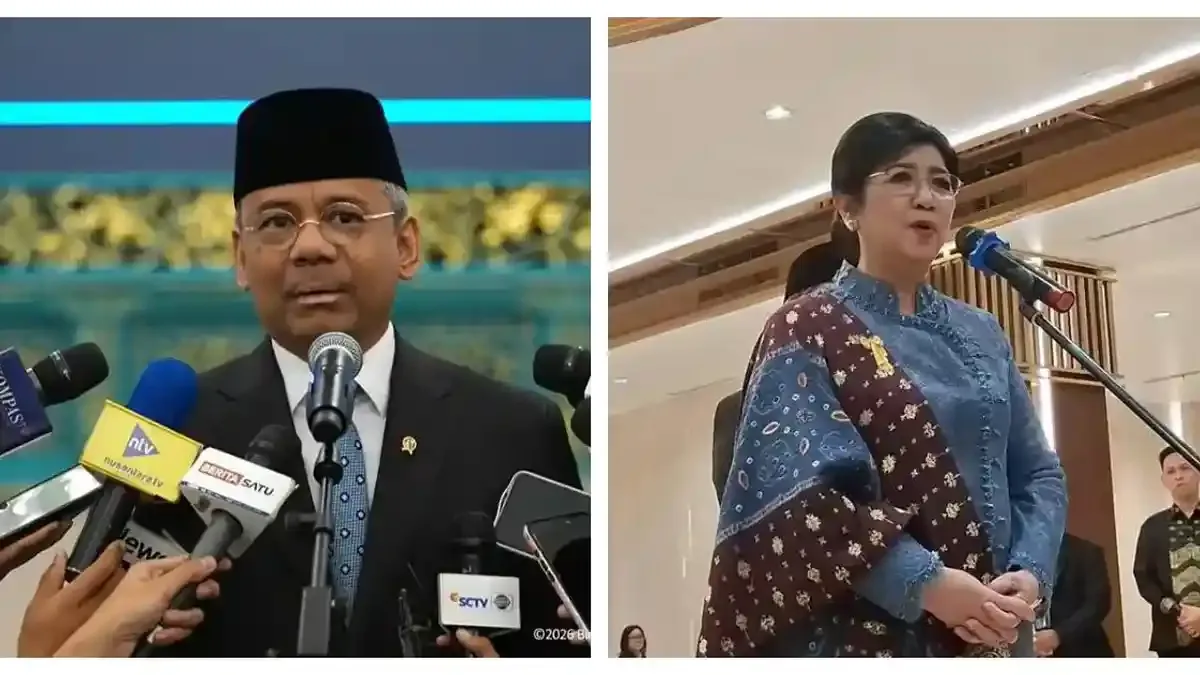
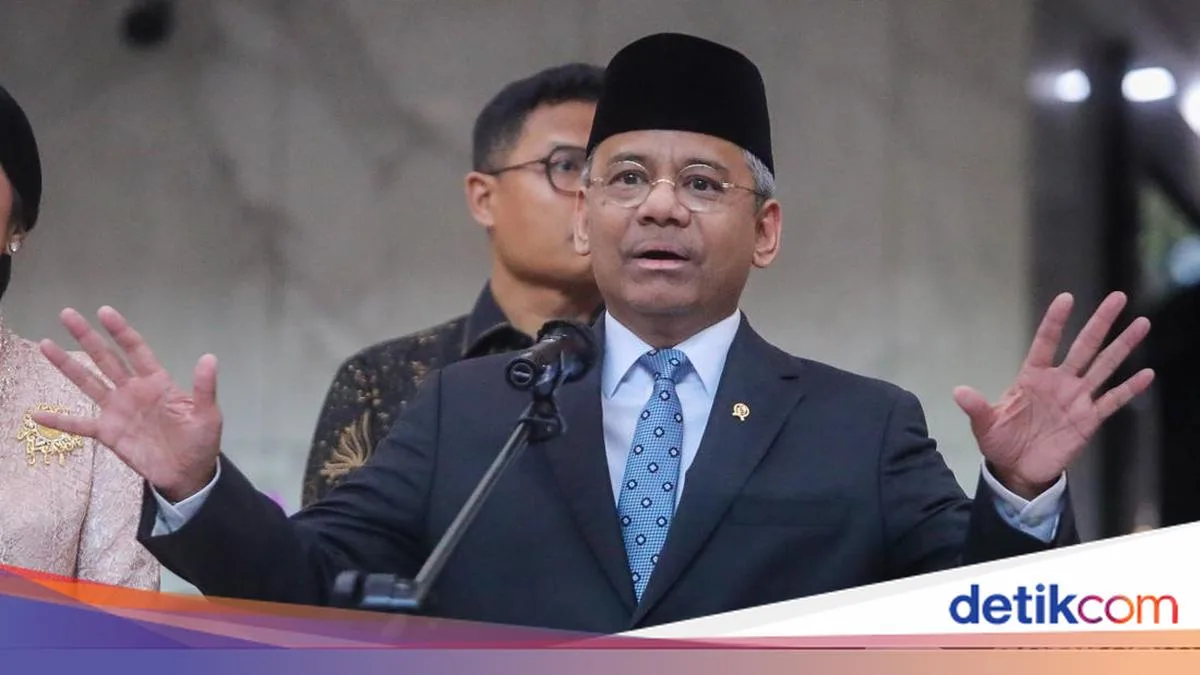
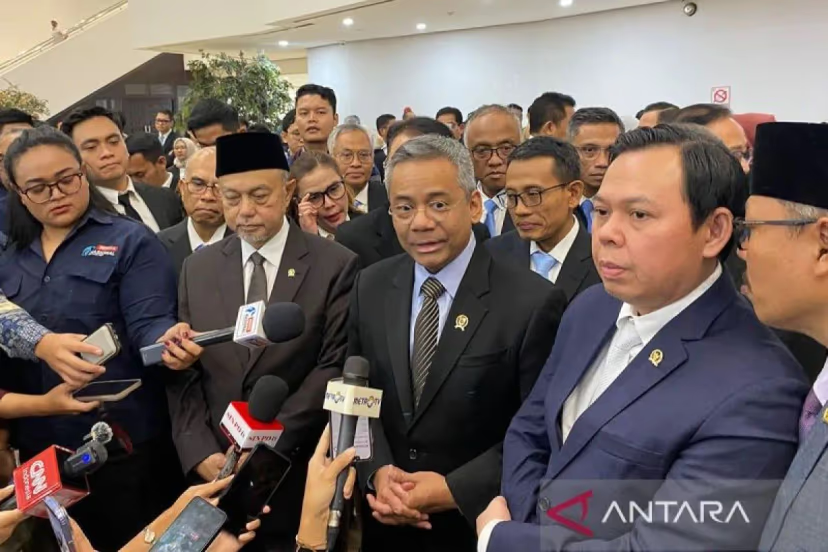
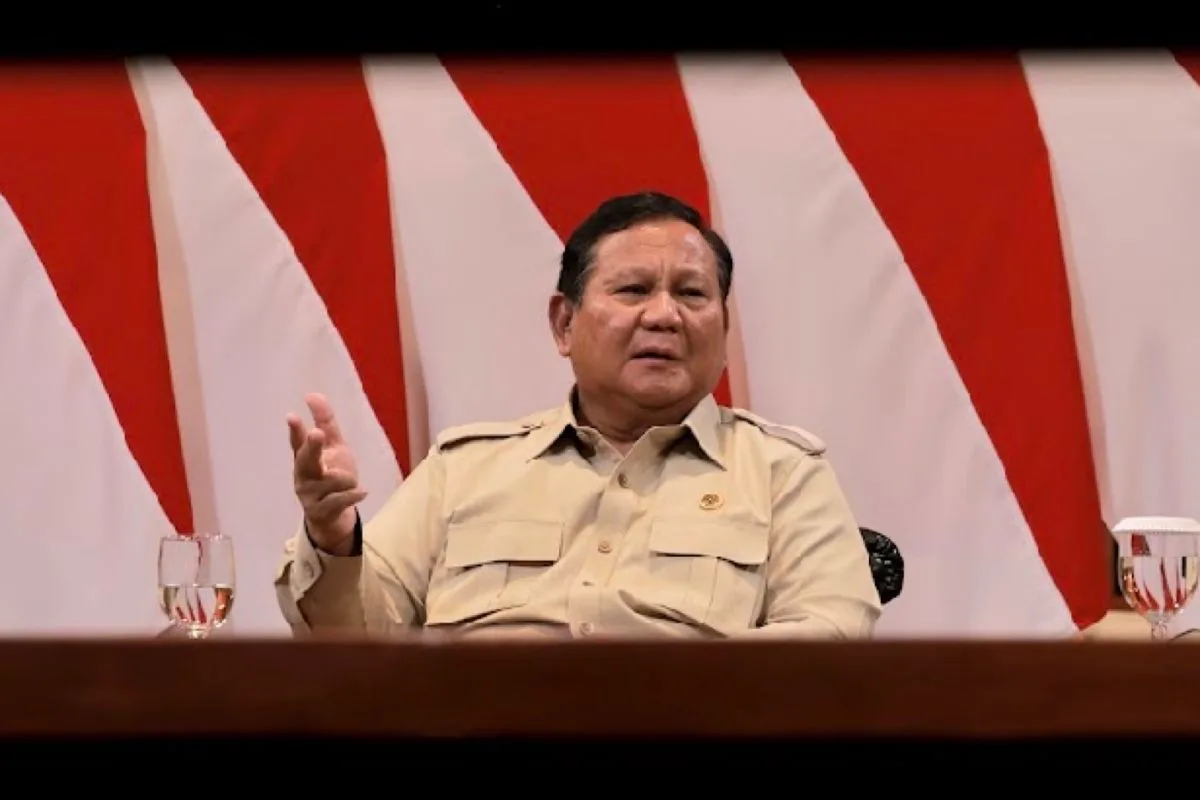
President Prabowo Subianto officially inaugurated Suahasil Nazara as Minister of Finance on Monday (14/9/2026) at the State Palace in Jakarta, ending the brief tenure of Purbaya Yudhi Sadewa, who lasted only about a year. The move completes the leadership change at the monetary authority, after Destry Damayanti was inaugurated as Governor of Bank Indonesia for the 2026–2031 term on Wednesday (2/9/2026), replacing Perry Warjiyo, who resigned at the end of July.
The combination has drawn attention because it arrives amid unabated global pressure: uncertainty over the Fed's interest rate, fluctuations in commodity prices, and China's economic slowdown. For Indonesia, this duo is not merely a rotation of officials but a test of technocrats' ability to maintain the credibility of fiscal and monetary policy. The bond market and the rupiah exchange rate will be the first barometer in the coming weeks.
Economist at Universitas Airlangga (UNAIR), Professor Rahma Gafmi, assesses that the new Finance Ministry-BI duo is at a crucial crossroads. "We need technocratic adaptation and a strategic political constant from the direction of national development," she said on the Kompas Bisnis program on Kompas TV, Wednesday (16/9/2026). According to her, although the President's grand vision—such as the 6 percent growth target, continuity of strategic projects, and welfare programs—remains unchanged, the communication style and speed of policy execution will almost certainly shift.
Rahma added that the macro policy anchor still refers to the RPJMN and Asta Cita, so it will not shift radically. However, she cautioned that sharpening policy instruments is inevitable. "A change of captain at the fiscal and monetary authorities always has implications for the way policies are communicated and their sharpness," she stressed.
"This leadership combination must be able to translate the development vision into adaptive tactical steps, without losing credibility in the eyes of the market." — Professor Rahma Gafmi, Professor of Monetary Economics at FEB UNAIR
For market players and investors, the main question is how quickly these two figures align their steps. Suahasil, who previously served as Deputy Minister of Finance, is known as a technocrat who masters the details of the budget and fiscal policy. Meanwhile, Destry, long involved in banking and financial system stability, is expected to bring a new perspective to monetary management. This combination can be a strength if it can communicate policy direction consistently, but risks creating volatility if signals diverge.
On the other hand, structural challenges such as weakening purchasing power, inequality, and the need for large investment in downstreaming demand seamless cross-institutional coordination. An expansionary fiscal policy to drive growth must be balanced by a monetary policy that keeps inflation and rupiah stability in check. An imbalance between the two could trigger higher debt costs and squeeze fiscal space.
Economic observers assess that the success of this duo will be visible from several key indicators in the first 100 days: the movement of government bond yields, exchange rate stability, and the clarity of priority programs in the 2027 state budget. If the market responds positively, investor confidence could strengthen and drive capital inflows. Conversely, doubt will widen the risk premium.
Equally important, public communication is a determining factor. In an era where information moves fast, the ability to explain policy transparently and convincingly will shape expectations. The public and the business world need certainty, not just promises. Will the Suahasil-Destry duo be able to deliver the expected adaptive technocratic pattern, or will it instead get stuck in sluggish coordination? The answer will be seen in concrete steps in the coming months.