Blok M: Jakarta's Urban Magnet for Street Vendors
Baca dalam 60 detik
- Vendors flock to Blok M for its dense pedestrian flow, which guarantees steady sales despite fierce competition.
- The area's mix of local shoppers and tourists creates a resilient market that absorbs daily price fluctuations.
- Data shows vendor density here triples Jakarta's average, signaling unmatched opportunity.
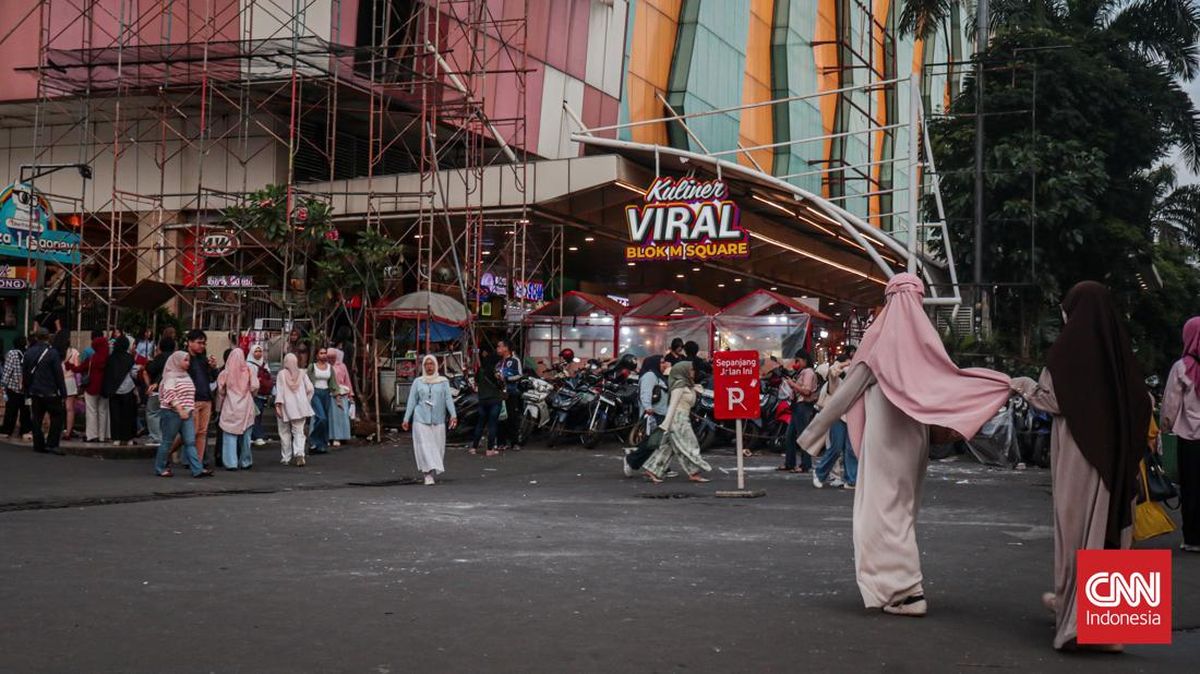
Vendors flock to Blok M for its dense pedestrian flow, which guarantees steady sales despite fierce competition. The area's mix of local shoppers and tourists creates a resilient market that absorbs daily price fluctuations. Data shows vendor density here triples Jakarta's average, signaling unmatched opportunity.
This informal economy operates without formal support, relying on vendor ingenuity and community networks. Street vendors adapt rapidly to trends, from street food to fashion, outpacing traditional retailers. Their agility makes Blok M a real-time barometer of Jakarta's consumer pulse.
City planners face a strategic dilemma: formalize vending to capture tax revenue or maintain the current laissez-faire ecosystem. Formalization risks stifling the very dynamism that makes Blok M thrive. The status quo, however, leaves vendors vulnerable to periodic crackdowns.
Power Move: Blok M's vendor economy proves informal markets can outperform formal retail when agility beats bureaucracy. Jakarta's next move—formalize or foster—will determine if this urban hub remains a growth engine or becomes another regulated zone. Expect vendors to resist control, preferring chaos over constraints.
This article was edited with AI assistance for readability. Read original here.