US-Iran Pact Targets Hormuz: Oil Transit Chess Move
Baca dalam 60 detik
- By ending transit charges, the US forces Iran to compete on production value rather than extortion.
- This mirrors the 2015 nuclear deal's economic trade-offs but with sharper military implications.
- Iran's budget relies on an estimated $50 billion annually from Hormuz-related fees and smuggling.
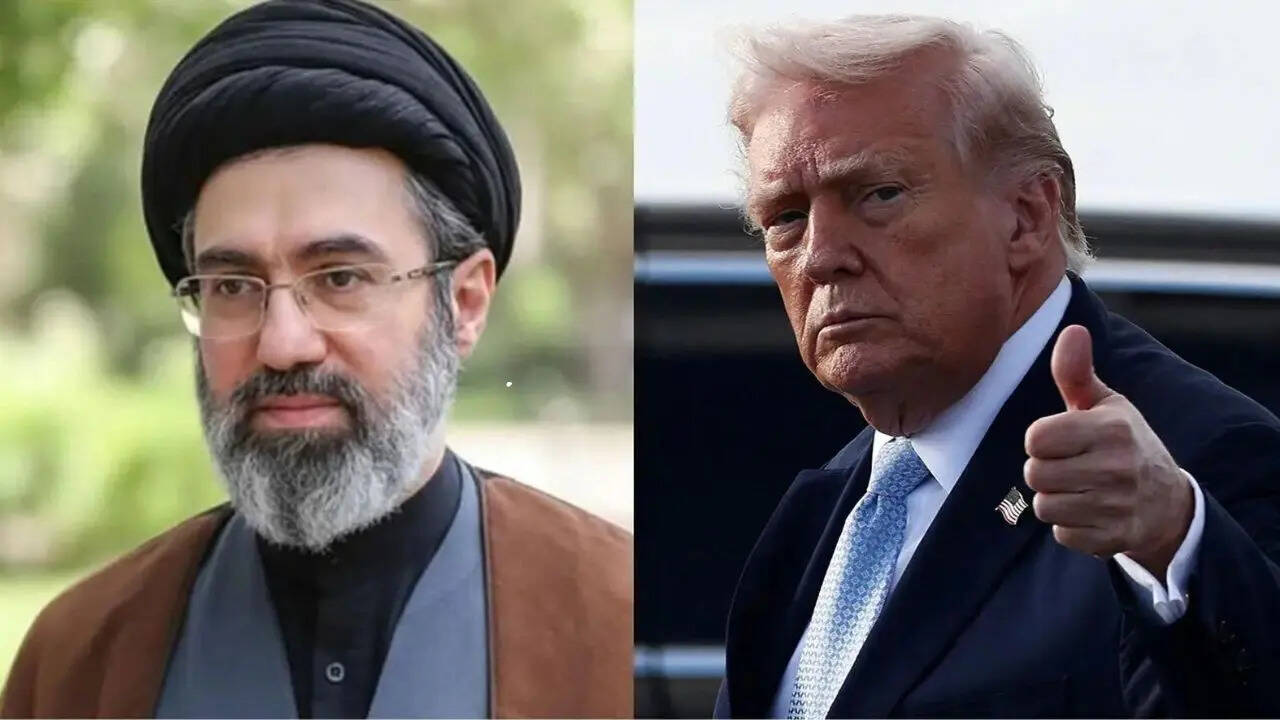
The pact directly targets Iran's primary geopolitical weapon: control over Hormuz, through which 17 million barrels of oil pass daily. By ending transit charges, the US forces Iran to compete on production value rather than extortion. This mirrors the 2015 nuclear deal's economic trade-offs but with sharper military implications.
Iran's budget relies on an estimated $50 billion annually from Hormuz-related fees and smuggling. Losing that revenue stream would cripple the regime's ability to fund proxies and nuclear enrichment. The US gains a chokepoint-neutralized Gulf and potential leverage for broader regional negotiations.
Implementation faces fierce opposition from Iranian hardliners and Gulf rivals who benefit from instability. The deal's success hinges on verifiable compliance mechanisms and US willingness to lift secondary sanctions. Failure risks a military escalation as Iran's economic lifeline gets severed.
Power Move: This pact transforms Hormuz from a vulnerability into a bargaining chip. If successful, the US redefines Gulf power dynamics without firing a shot. Watch for Iran's internal fractures as hardliners resist a deal that prioritizes economics over ideology.
This article was edited with AI assistance for readability. Read original here.