
Bolivian President Slashes Salary 50% in Protest Defusal
Baca dalam 60 detik
- The salary reduction directly responds to weeks of protests over inflation and governance failures.
- By personally absorbing the cut, the president forces his cabinet to follow suit or face public backlash.
- This tactical concession buys time while testing the opposition’s next move.
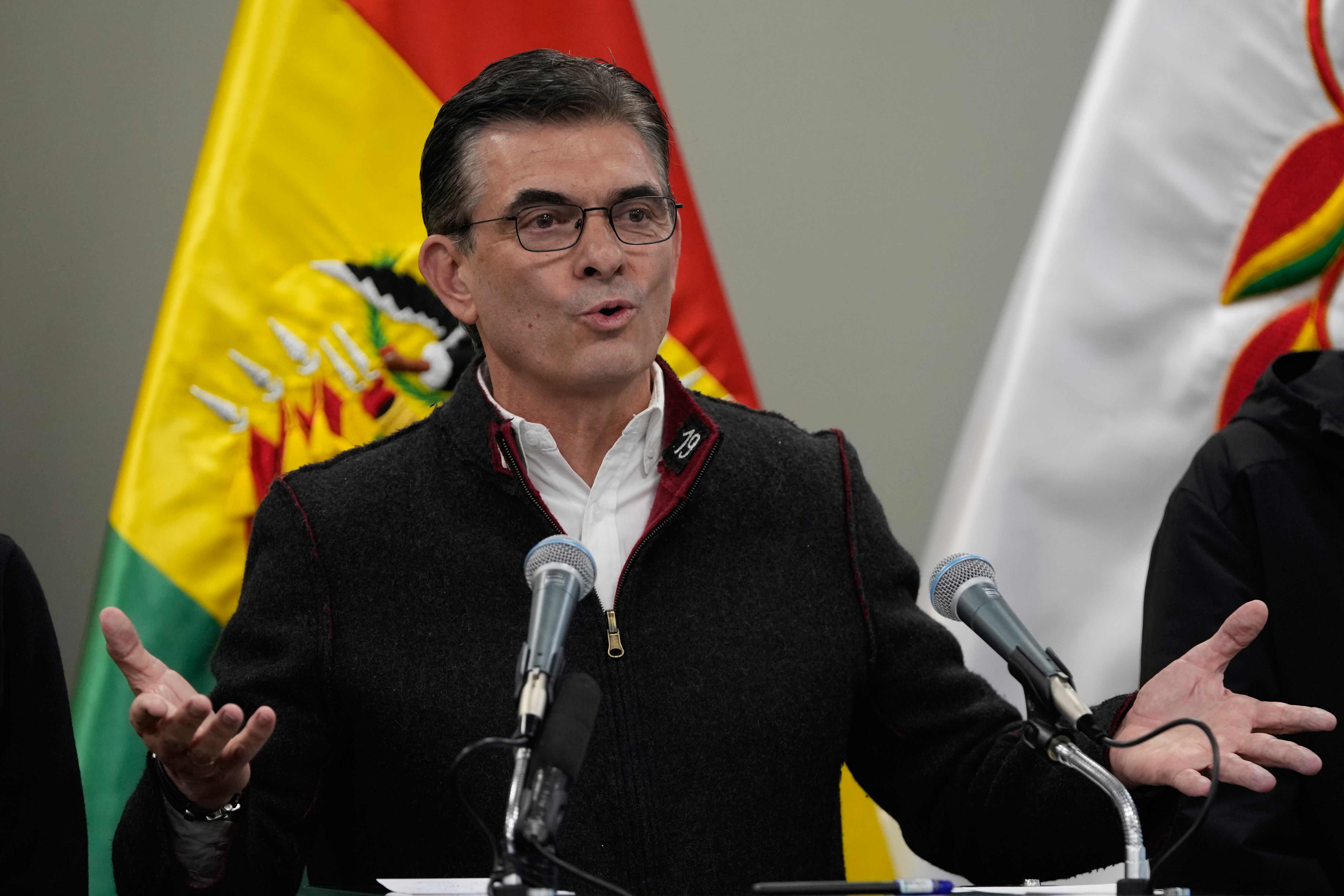
The salary reduction directly responds to weeks of protests over inflation and governance failures. By personally absorbing the cut, the president forces his cabinet to follow suit or face public backlash. This tactical concession buys time while testing the opposition’s next move.
Critics dismiss the move as a publicity stunt that fails to address systemic corruption. However, the pay cut sets a precedent for executive accountability rarely seen in Latin American politics. Markets reacted neutrally, signaling skepticism about long-term fiscal impact.
Analysts see this as a strategic pivot to regain populist credentials before the 2025 election. The move weakens opposition narratives of an out-of-touch elite, but risks appearing as panic. Success hinges on whether the president can translate this symbol into tangible policy wins.
Power Move: By slashing his own salary, the president gambles that symbolic sacrifice will overshadow policy failures. Expect copycat gestures from regional leaders facing unrest, but real power shifts only if followed by structural reforms.
This article was edited with AI assistance for readability. Read original here.


