
WWI Soldier Identified: Canada's Ongoing Duty to Remember
Baca dalam 60 detik
- The identification was made possible through historical records and DNA analysis, connecting the remains to a family still waiting for closure.
- The soldier, who died in 1917 during the Battle of Vimy Ridge, represents one of thousands still missing.
- This discovery brings solace to a nation that reveres its military history.
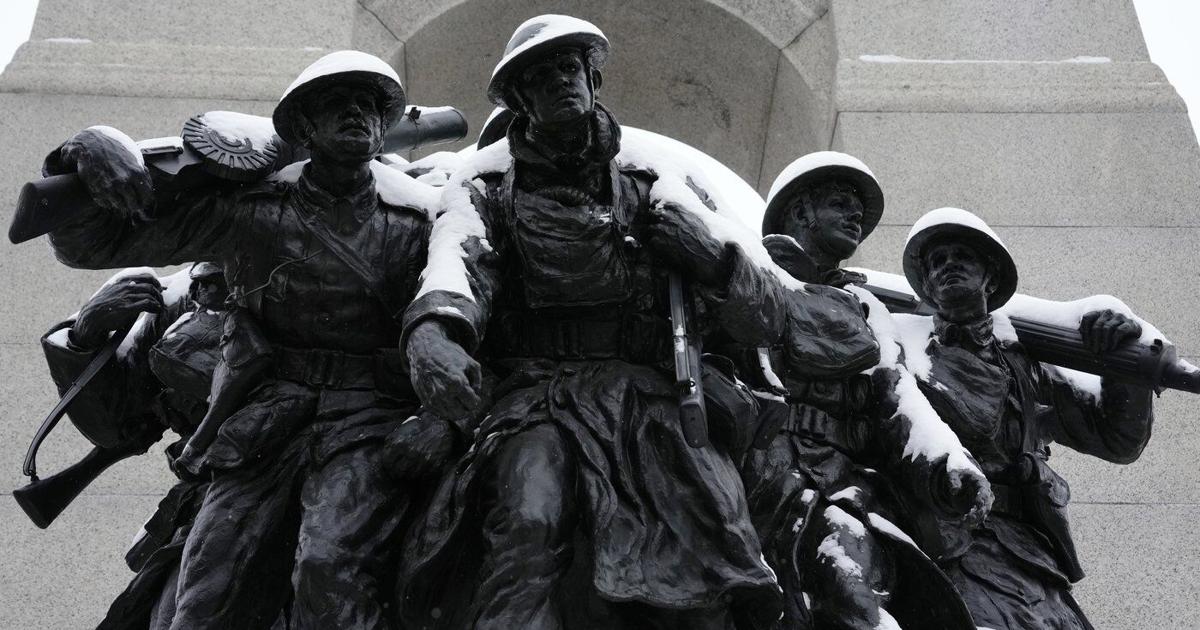
The identification was made possible through historical records and DNA analysis, connecting the remains to a family still waiting for closure. The soldier, who died in 1917 during the Battle of Vimy Ridge, represents one of thousands still missing. This discovery brings solace to a nation that reveres its military history.
Canada's Casualty Identification Program, established in 2007, has successfully identified dozens of soldiers from both world wars. The program relies on meticulous research and modern forensic science to give names back to the unknown. Each identification strengthens the bond between past sacrifices and present national identity.
The grave now becomes a focal point for remembrance ceremonies, drawing attention to the enduring cost of war. It also highlights the importance of preserving historical sites and records for future generations. This event reinforces Canada's role as a custodian of memory on the global stage.
Power Move: As identification efforts continue, expect more unknown soldiers to be named, deepening Canada's historical narrative and reinforcing its commitment to military heritage. This trend may inspire other nations to invest in similar programs, transforming how we remember the fallen.
This article was edited with AI assistance for readability. Read original here.


