Toronto Approves 13 Major Developments: Urban Growth Play
Baca dalam 60 detik
- The approved projects range from small-scale townhouse infill to large-scale masterplanned communities, reflecting a deliberate strategy to densify Toronto's urban core.
- The 'supertall' tower alone will add significant residential and commercial capacity, intensifying land use in prime transit-adjacent zones.
- This move aligns with the city's goal to boost housing supply amid persistent affordability pressures.
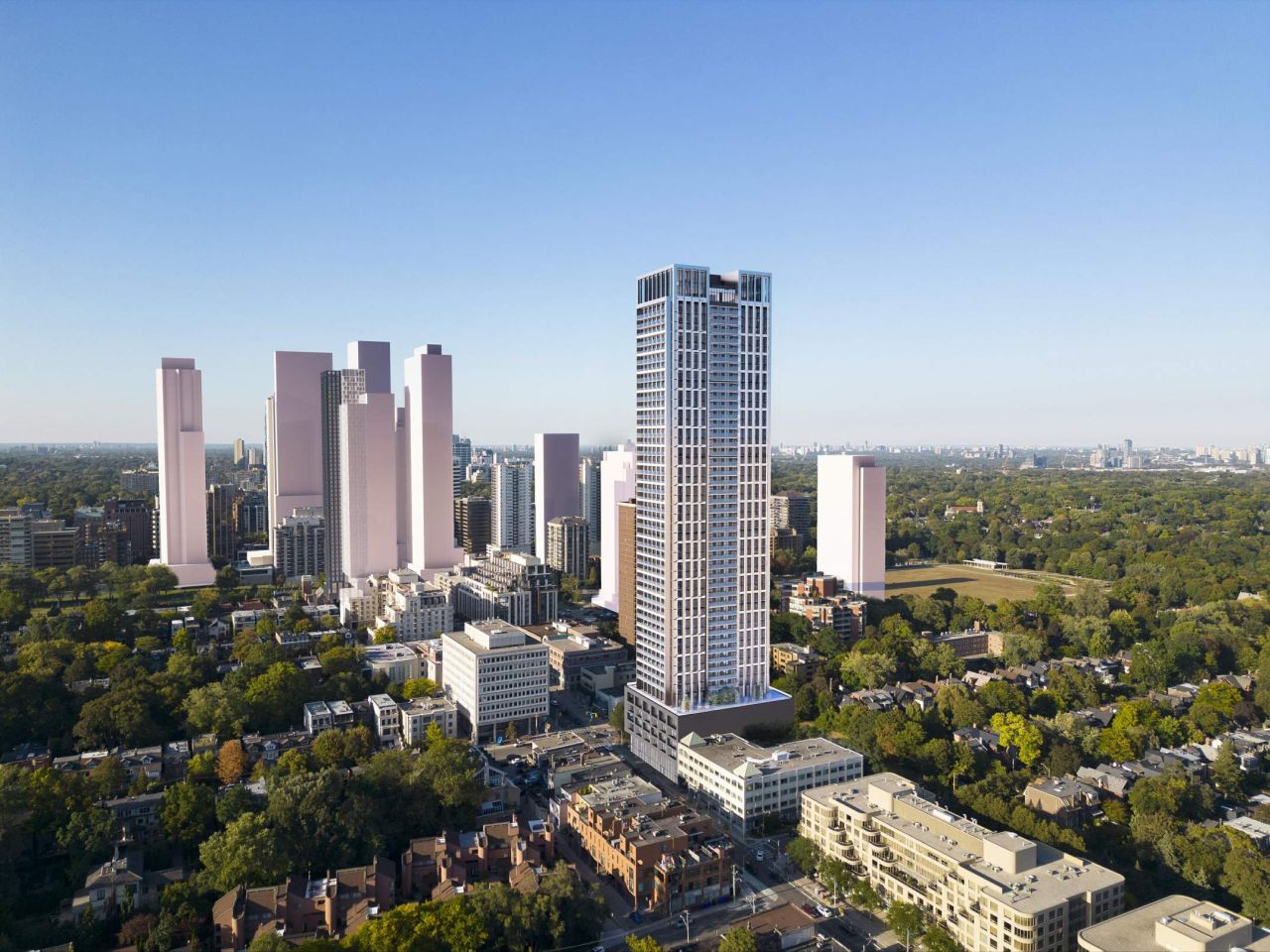
The approved projects range from small-scale townhouse infill to large-scale masterplanned communities, reflecting a deliberate strategy to densify Toronto's urban core. The 'supertall' tower alone will add significant residential and commercial capacity, intensifying land use in prime transit-adjacent zones. This move aligns with the city's goal to boost housing supply amid persistent affordability pressures.
Rental housing dominates the approvals, targeting Toronto's chronic shortage of purpose-built rentals. By fast-tracking these projects, the council aims to stabilize rents and attract institutional capital to the city's housing market. Developers now face tight timelines to break ground and deliver units, with penalties for delays built into agreements.
The approvals create a ripple effect across the economy: construction jobs surge, property values near transit corridors rise, and retail/commercial space expands. However, the influx of supply could moderate price growth in the short term, challenging investors who bet on scarcity. The city's planning department will monitor absorption rates closely to adjust future approvals.
Power Move: Toronto's approval wave transforms it into a developer's market, but success hinges on execution. If projects deliver on schedule, the city could set a North American benchmark for urban densification. Failure risks a glut of luxury units and missed affordability targets.
This article was edited with AI assistance for readability. Read original here.